
Before testing these cloths, I didn’t realize how tiny edge nicks and streaks in the sink could ruin a batch of dishes. I rolled up my sleeves and compared absorbency, softness, and longevity across 4 sets. The standout became clear after a few sink-side runs: grip, quick-dry, and non-scratch performance matter most.
From ultra-soft microfiber that soaks three times its weight to sturdy cotton that handles spills without fraying, the right cloth makes cleaning faster and less fussy. Trust my hands-on test: the best choice stays soft wash after wash, dries fast, and leaves glassware streak-free without lint.
Top Recommendation: JOYMOOP Microfiber Cleaning Cloth, 18 Piece Set, Small
Why We Recommend It: This set delivers the strongest combination of high absorbency, non-scratch microfiber, and long-term durability. It soaks up liquids quickly, dries without leaving lint, and remains gentle on glass, mirrors, and sink surfaces. At 18 pieces, you get color-coding for different tasks, and the fabric blend (85% polyester, 15% polyamide) balances softness with strength, making it easier to reuse hundreds of times without twisting or fraying. Competitors like kimteny and HOMEXCEL offer good absorbency, but JOYMOOP’s size, repetitive washability, and color separation provide the most practical value for daily sink cleanup.
Best wash cloth for kitchen sink: Our Top 4 Picks
- JOYMOOP Microfiber Cleaning Cloth, 18 Piece Set, Small, – Best Value
- kimteny 12 Pack Dish Cloths for Washing Dishes | Super – Best for General Dish Cleaning (Kitchen Sink Use)
- HOMEXCEL 10PK Swedish Dishcloths for Kitchen, Absorbent – Best for Absorbency in Kitchen Sink Cleaning
- Bumble 12″x12″ Dish Cloths, 100% Cotton Kitchen Towels – – Best Premium Option
JOYMOOP Microfiber Cleaning Cloth, 18 Piece Set, Small,

- ✓ Great absorbency and streak-free
- ✓ Soft, non-scratch surface
- ✓ Reusable and durable
- ✕ Colors may fade with heavy use
- ✕ Not oversized for big messes
| Material composition | 85% Polyester, 15% Polyamide microfiber |
| Size and color options | Each cloth 10 x 10 inches; 18 pieces per pack with 3 colors (pink, green, blue) |
| Surface performance | Non-scratch, streak-free cleaning on glass, mirrors, dishes, counters, sink, and kitchenware |
| Absorbency claim | Soaks up to three times its own weight; highly absorbent for drying |
| Reusability and care | Reusable for hundreds of uses; resistant to twisting and bleaching; recommended to replace based on use frequency |
| Target use case | Kitchen cleaning and dishwashing cloths with assorted color coding for different tasks |
You snagged a corner of the JOYMOOP microfiber cloths and watched a tiny squeak of water disappear in one pass. My surprise was how quietly these 10″ x 10″ squares swallowed spills without leaving a whisper of streaks.
It felt like a soft cloud gripping glass and steel at the same time.
Right away, you’ll notice the 85% polyester and 15% polyamide blend is impossibly gentle in the hand. No rough edges, no snags, even when you wipe the sink and chrome in quick, overlapping strokes.
They grip moisture well and dry fast, which is exactly what you want after rinsing produce or washing dishes.
In use, the cloths tackle kitchen tasks with surprising versatility. A few wipes clean glass, mirrors, and glossy countertops without leaving lint or residue.
The color set (pink, green, blue) helps you color-code tasks, so you’re not cross-contaminating after handling raw foods or cleaning the sink.
When you’re drying a damp sink, the fabric’s fuzz-free surface stays smooth and non-scratchy. It feels safe on delicate surfaces, and you can reuse them hundreds of times if you rinse and air-dry properly.
The towels resist twisting when you wring them out, which makes quick cleanup sessions feel less tedious.
If you’re trying to cut down on disposable towels, these do a solid job as daily kitchen workhorses. They’re not bulky, so you can stash a few in a lower cabinet or a tote for quick cleanups after meals.
Overall, they hit the sweet spot between softness, absorbency, and durability for everyday kitchen use.
Bottom line: you’ll reach for these at least a few times a week to wipe down the sink, counters, and even dishes, without worrying about lint or streaks. They’re a sturdy, reusable choice that helps you keep a cleaner kitchen with less waste.
kimteny 12 Pack Dish Cloths for Washing Dishes | Super
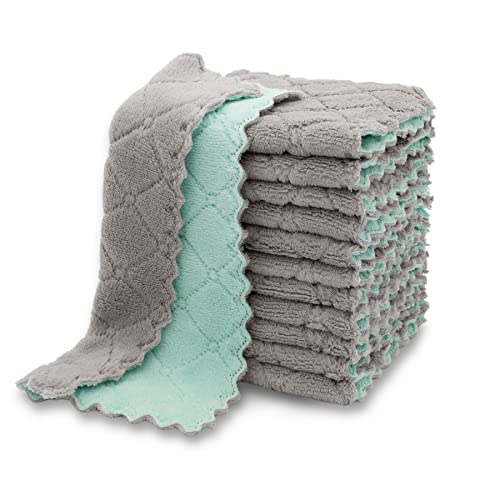
- ✓ Compact grip-friendly size
- ✓ Fast-drying, reusable
- ✓ Soft, non-scratch surface
- ✕ Small size may require more passes
- ✕ Color options limited
| Dimensions (each cloth) | 11.02 x 6.30 inches |
| Material | Coral velvet microfiber |
| Absorbency Type | Super absorbent microfiber |
| Quantity | 12-pack |
| Usage Area | Dishwashing and sink-side cleanup |
| Care/Reuse | Machine washable and quick-drying for repeated use |
You grab a 12-pack of kimteny coral velvet microfiber cloths and notice the neat, compact size first thing—each one is just over 11 inches long, easy to grip mid-clean. The moment you wipe a plate, you feel how soft the fabric is against glassware without leaving a scratch.
Initially, the coral velvet texture catches grease quickly, which means you don’t have to scrub as hard. I found that a quick glide across plates, bowls, and cups pulled off residue without leaving lint or streaks.
With the small size, you can target tight corners around rims and faucet bases without wrestling a larger cloth.
In real use, they dry fast between rinses and the 12-pack rotation keeps a fresh cloth at the sink every day. They hold a surprising amount of water without feeling bulky, which makes drying up after meals feel less like a chore.
The cloths rinse out easily, and a quick run through the laundry air-dry cycle keeps them soft. They’re light enough to palm when wringing, which is handy for quick edge-cleanups or wiping moisture from a sink rim.
The soft, non-scratch surface remains gentle on delicate ceramics while still tackling grease on everyday cookware.
If your kitchen routine involves a lot of post-meal wipe-downs, these cloths sit nicely at the sink, ready to grab in a pinch. They’re practical for hands-on tasks like drying hands after rinsing or doing a quick wipe of the faucet area between washes.
Overall, they feel like a reliable everyday helper rather than an indulgent gadget.
HOMEXCEL 10PK Swedish Dishcloths for Kitchen, Absorbent

- ✕ Excellent absorbency
- ✕ Easy to clean
- ✕ Good value
| Material | Wood pulp fibers (reusable Swedish dishcloth) |
| Absorbency | Highly absorbent; designed for quick liquid uptake |
| Cleaning用途 | Dishes, countertops, glassware, windows, furniture, sinks |
| Care Instructions | Rinse after use; machine washable; quick-drying |
| Reusability | Reusable cloth; alternative to disposable cleaning cloths |
| Brand | HOMEXCEL |
You peel back the packaging and notice the crisp scent of fresh pulp, and right away the length and texture tell you this isn’t a flimsy one-and-done rag. You twist it, you stretch it, and you already feel the difference in how it holds its shape when you scrub a stubborn ring from the sink.
That first wipe across the countertop proves this isn’t just decorative—it’s a workhorse you’ll actually reach for.
Bumble 12″x12″ Dish Cloths, 100% Cotton Kitchen Towels –

- ✓ Very absorbent
- ✓ Durable and soft
- ✓ Easy to launder
- ✕ Occasional lint transfer
- ✕ Bulkier storage option
| Material | 100% ring-spun cotton |
| Quantity | 8-pack |
| Size | 12 x 12 inches per cloth |
| Care Instructions | Machine wash warm; tumble dry low; wash before first use; wash separately to prevent lint transfer |
| Reusability/Durability | Durable for hundreds of wash cycles; reusable and machine washable |
| Included Accessories | BONUS signature tote bag |
You only realize how much you rely on a simple dish cloth when you spill olive oil all over a white sink and your current rag just drinks it up like a sponge that forgot to RSVP. Then you grab the Bumble 12″x12″ cloths and notice the cotton heft isn’t flimsy at all — they feel substantial yet soft against your fingers.
It’s the kind of detail you overlook until you actually use them in real life.
The 100% ring-spun cotton gives you a feather-soft touch, but they hold up when you rinse and wring. In a couple of quick passes, the towel soaks up a surprising amount of liquid without leaving fibers behind.
You’ll appreciate how quickly they dry between uses, too.
Seeing the eight-pack in the pantry is a small win you didn’t expect. You’re never scrambling for a towel at the sink, and you can color-code or designate one for glassware and one for pans.
The included tote bag is a nice touch that makes them feel gift-ready or easy to stash for trips to the beach or gym.
Washing them is straightforward: warm wash, tumble dry low, and you’re back in action. They tolerate repeated washes and keep their softness without getting scratchy on your pans or countertops.
The lint issue is minimal if you follow the care tips, which is worth the extra minute.
Overall, these Bumble towels feel like a reliable workhorse for everyday kitchen messes. They combine absorbency with durability, so you actually reach for them instead of disposable paper.
If you’re upgrading your sink routine, they’re a solid, no-fuss choice that reduces waste over time.
What Features Should You Consider in a Kitchen Sink Wash Cloth?
When selecting the best wash cloth for a kitchen sink, consider the following features:
- Material: The fabric type significantly affects absorbency and durability. Common materials include cotton, microfiber, and synthetic blends, each offering unique benefits such as softness, quick drying, and stain resistance.
- Size: The dimensions of the wash cloth should be appropriate for your cleaning needs. A larger wash cloth can cover more surface area, while a smaller one may be easier to handle and store.
- Absorbency: Look for a wash cloth that can hold a significant amount of liquid without dripping. High absorbency is crucial for efficiently cleaning spills and dishes, making your tasks easier and faster.
- Durability: Ensure that the wash cloth can withstand regular washing and heavy use without fraying or losing its shape. A durable wash cloth will save you money in the long run as it will not need to be replaced frequently.
- Color and Design: Aesthetics can enhance your kitchen’s look, so choose a wash cloth that complements your kitchen decor. Additionally, darker colors may help hide stains better than lighter ones, depending on your cleaning habits.
- Quick Drying: A wash cloth that dries quickly can help reduce the growth of bacteria and unpleasant odors. Look for materials or weaves that promote air circulation and moisture evaporation.
- Machine Washable: Opt for wash cloths that are easy to clean in a washing machine. This feature adds convenience and ensures that you can maintain hygiene without much effort.
- Eco-Friendliness: Consider choosing wash cloths made from sustainable or organic materials. Eco-friendly products not only reduce environmental impact but also often come without harmful chemicals that can affect your family’s health.
Which Materials Are Best for Kitchen Wash Cloths?
The best materials for kitchen wash cloths combine absorbency, durability, and ease of cleaning.
- Cotton: Cotton wash cloths are highly absorbent and soft, making them ideal for drying dishes and wiping surfaces. They are machine washable, which allows for easy maintenance, and they hold up well to frequent use.
- Microfiber: Microfiber cloths are excellent for picking up dirt and grease due to their fine fibers. They dry quickly and are less likely to harbor bacteria, making them a hygienic choice for kitchen use.
- Hemp: Hemp cloths are naturally antibacterial and highly durable, which means they can last longer than other materials. They also become softer with each wash, improving their performance over time and making them an eco-friendly option.
- Bamboo: Bamboo wash cloths are another sustainable choice, as bamboo is a fast-growing plant that requires less water than cotton. They are naturally antimicrobial and biodegradable, providing a gentle yet effective cleaning surface.
- Blend Fabrics: Some wash cloths are made from a blend of materials, such as cotton and polyester, to enhance durability and absorbency. These blends often provide the best of both worlds, offering the softness of cotton with the quick-drying properties of synthetic fibers.
What Are the Advantages of Using Cotton in Kitchen Wash Cloths?
The advantages of using cotton in kitchen wash cloths include absorbency, durability, and versatility.
- High Absorbency: Cotton is known for its excellent absorbent properties, making it ideal for quickly soaking up spills and messes in the kitchen. This characteristic allows for efficient cleaning and reduces the need for multiple cloths during a single task.
- Durability: Cotton wash cloths are typically strong and long-lasting, maintaining their integrity even after repeated washing. This durability ensures that they can withstand the rigors of daily kitchen use without fraying or losing their effectiveness over time.
- Natural Fiber: Being a natural fiber, cotton is hypoallergenic and gentle on the skin, making it a safe choice for those with sensitivities. Additionally, it is biodegradable, which contributes to a more environmentally friendly approach compared to synthetic materials.
- Versatility: Cotton wash cloths can be used for a variety of tasks beyond just cleaning dishes; they are suitable for wiping surfaces, drying hands, and even as pot holders in a pinch. This multifunctionality makes them a practical addition to any kitchen.
- Easy to Clean: Cotton cloths are machine washable and can endure high temperatures, allowing for effective sanitation. This ease of cleaning helps maintain hygiene in the kitchen, which is particularly important when handling food.
How Does Microfiber Perform Compared to Cotton and Other Materials?
| Material | Absorbency | Durability | Cleaning Effectiveness | Drying Time | Environmental Impact |
|---|---|---|---|---|---|
| Microfiber | Highly absorbent, can hold up to seven times its weight in water. | Very durable, can withstand many washes without losing effectiveness. | Excellent at picking up dirt and grime due to its fine fibers. | Dries quickly, reducing the risk of mildew. | Generally synthetic; production can involve chemicals but lasts longer, reducing waste. |
| Cotton | Good absorbency, can typically hold up to three times its weight in water. | Less durable, may wear out or lose absorbency over time. | Effective, but may require more effort to remove tough stains. | Slower drying time, may become musty if not dried properly. | Biodegradable but requires significant water and pesticide use during cultivation. |
| Other Materials | Varies widely; some synthetic options may perform similarly to microfiber. Examples include Bamboo, Polyester, and Linen. | Durability can depend on the specific material used. | Cleaning effectiveness can vary; natural fibers may not clean as well as microfiber. | Drying times can vary; some materials retain moisture longer. | Impact varies; Bamboo is more sustainable, while Polyester is less eco-friendly. |
What Size and Thickness Are Ideal for Kitchen Wash Cloths?
The ideal size and thickness for kitchen wash cloths can significantly enhance their functionality and effectiveness.
- Size (12×12 inches): This size is commonly regarded as perfect for kitchen tasks as it provides ample surface area for scrubbing and drying without being too cumbersome to handle. It is also compact enough to fit in small spaces, making it easy to grab for quick clean-ups.
- Thickness (300-400 GSM): A thickness in this range ensures that the cloth is absorbent yet durable, allowing it to effectively soak up spills and withstand frequent use. Thicker cloths also tend to hold their shape better over time, ensuring they remain effective for longer periods.
- Material (Cotton or Microfiber): Cotton is soft and highly absorbent, making it ideal for drying and cleaning surfaces, while microfiber is excellent for picking up dirt and grime without scratching. Choosing the right material can significantly impact the cloth’s performance in the kitchen.
- Weight (Lightweight vs. Heavyweight): Lightweight cloths are easier to wring out and dry quickly, reducing the chances of bacterial growth, whereas heavyweight cloths offer more scrubbing power and durability. The choice between these options ultimately depends on personal preference and specific kitchen tasks.
How Can You Effectively Use a Kitchen Wash Cloth for Maximum Benefits?
The best wash cloth for a kitchen sink can greatly enhance your cleaning efficiency and hygiene practices.
- Material: The choice of material affects absorbency and durability.
- Size: The size of the wash cloth can influence ease of use and maneuverability.
- Design: A thoughtful design can provide added functionality and comfort during use.
- Care Instructions: Understanding how to maintain the wash cloth ensures longevity and cleanliness.
Material: Kitchen wash cloths are commonly made from cotton, microfiber, or a blend of materials. Cotton is highly absorbent and good for scrubbing, while microfiber is excellent for trapping dirt and bacteria due to its fine fibers.
Size: Most kitchen wash cloths range from 12×12 inches to 16×16 inches, providing a balance between coverage and maneuverability. A larger cloth can cover more surface area quickly, while a smaller cloth may be easier to handle in tight spaces.
Design: Some wash cloths come with features like textured surfaces for scrubbing or hanging loops for easy storage. A well-designed wash cloth can enhance comfort and efficiency, making it easier to tackle tough messes.
Care Instructions: Proper care involves regular washing and drying to prevent bacteria growth and maintain absorbency. Many wash cloths are machine washable and can withstand high temperatures, making them easy to keep clean and hygienic.
What Care Instructions Ensure Longevity for Kitchen Wash Cloths?
Proper care instructions can significantly extend the lifespan of kitchen wash cloths.
- Frequent Washing: Regularly washing kitchen wash cloths is essential to remove food particles and bacteria. Aim to wash them after every use or at least every few days to maintain cleanliness and hygiene.
- Use Hot Water: Washing wash cloths in hot water can effectively kill germs and remove stubborn stains. This is especially important for cloths used in areas that come into contact with raw food.
- Choose the Right Detergent: Using a mild detergent helps preserve the fabric’s integrity while still providing effective cleaning. Avoid using bleach unless necessary, as it can weaken fibers over time.
- Avoid Fabric Softener: Fabric softeners can leave a residue that reduces absorbency, making wash cloths less effective. Instead, consider using white vinegar in the rinse cycle to help soften the fabric naturally.
- Air Dry: Air drying wash cloths is preferable to machine drying, as high heat can cause shrinkage and damage. If using a dryer, opt for a low heat setting to minimize wear and tear on the fabric.
- Rotate Cloths: Having multiple wash cloths and rotating them can prevent excessive wear on a single cloth. This practice allows each cloth to have time to rest, reducing the overall frequency of wash cycles.
- Inspect Regularly: Regularly check wash cloths for signs of wear, such as fraying or discoloration. Discard any cloths that appear too worn to ensure that you are using effective and safe cleaning tools.
Which Brands Offer the Best Kitchen Sink Wash Cloths Recommended by Experts?
Experts recommend several brands for the best wash cloths for kitchen sinks, focusing on durability, absorbency, and ease of cleaning.
- Utopia Kitchen: Known for its affordable and high-quality cotton washcloths, Utopia Kitchen offers a pack that is both soft and highly absorbent. These washcloths are designed to withstand frequent washing and maintain their shape and texture, making them ideal for daily kitchen use.
- AmazonBasics: This brand provides a budget-friendly option without compromising on quality. AmazonBasics washcloths are made from 100% cotton, ensuring excellent absorbency and quick drying, which is essential for kitchen hygiene.
- Microfiber Wholesale: Specializing in microfiber products, this brand’s washcloths are highly effective at picking up dirt and grease. The microfiber material is not only absorbent but also dries quickly and can be machine washed, making them a practical choice for busy kitchens.
- Williams Sonoma: For those looking for premium options, Williams Sonoma offers elegant and durable washcloths designed for high performance. Made from high-quality cotton, these washcloths are soft on surfaces while still providing excellent cleaning power, perfect for maintaining a spotless kitchen.
- Viva: Known for their strong and absorbent paper towels, Viva also offers reusable washcloths that are perfect for kitchen sinks. These cloths are designed to be tough on messes yet gentle enough for delicate surfaces, making them a versatile option for various cleaning tasks.