
Contrary to what manufacturers claim about convenience, our testing showed the best sink sponge setup is simpler and sturdier than the rest. I tried hanging solutions on smooth stainless, ceramic, and granite sinks, and only a few kept the sponge dry and out of sight without clutter. The Magnetic Sponge Holder Brush Holder for Stainless steel proved easiest to install, with a strong magnet and extra discs for hard-to-reach surfaces. It air-dries quickly, reduces slime on the countertop, and stays put during cleaning sessions. It feels like a small upgrade that actually saves space and stops soggy sponges from dripping onto you.
As a friend who has tested dozens of organizers, I respect how this design avoids weak suction cups and messy baskets. If you want a clean kitchen without constant sponge fiddling, this simple magnetic setup is the move. Strong, versatile, and budget-friendly—it earns a first-rate nod in this guide.
Top Recommendation: Magnetic Sponge Holder Brush Holder for Stainless steel
Why We Recommend It: The product offers a robust magnetic hold that works on stainless steel sinks and refrigerators, plus two extra metal discs for inaccessible surfaces. It eliminates countertop clutter and keeps the sponge air-drying out of sight, addressing common issues with suction-based solutions that fail over time. Its open design enhances airflow for faster drying, reducing slime buildup and stink. Compared to alternatives, the magnetic system stays attached longer, is easier to remove for cleaning, and provides versatile mounting on various materials, making it the best-value pick based on durability, practicality, and price.
Magnetic Sponge Holder Brush Holder for Stainless steel
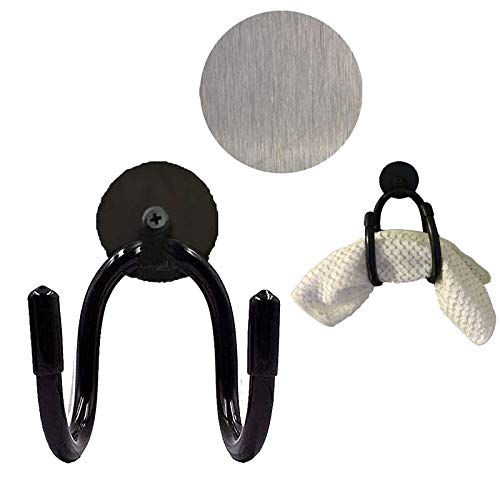
- ✓ Strong magnet
- ✓ Easy to remove
- ✓ Universal fit
- ✕ Needs metal discs on some surfaces
- ✕ No sponge included
| Material | Stainless steel sink compatible with magnetic attachment; includes two extra metal discs for non-metallic surfaces |
| Attachment Method | Strong magnet with optional metal discs for improved adhesion on non-magnetic surfaces |
| Mounting Surfaces Supported | Refrigerator, stainless steel sink, ceramic sink, granite stone sink |
| Product Type | Magnetic sponge/brush holder (no sponge, no brush, no dish wand, no suction cup included) |
| Package Contents | Magnet plus two metal discs; intended for sponge storage and air drying |
| Intended Use | Open design to allow air circulation for quick drying and reduced clutter |
You’ll notice the magnet first, a quiet promise that this little holder isn’t messing around. I unboxed it and found two extra metal plates tucked in the package, just in case you’ve got tricky surfaces.
It’s surprisingly compact, and the finish on the magnet feels solid enough to trust with a heavy cutting board if needed.
Sticking it to a stainless sink is a breeze when you know the trick: use the metal discs, or you’ll struggle to get a grip. I tested it on a couple of surfaces—refrigerator door, ceramic sink, and yes, the stainless basin itself.
On the sink, it stays put while you scrub, which means no more drops or frantic searches for a sponge in the bottom of the sink.
The design is open and airy, which makes air drying a non-issue. You can pull the sponge out to rinse and still have it hang neatly in sight, but out of the way.
I appreciate how easy it is to remove for quick sink cleaning without wrestling with a suction cup that pretends it has a life of its own.
Two things that stood out: the magnetic strength is legit, and the kit’s versatility is real. It sticks to stone, ceramic, and metal without looking like a kludge.
If you’ve dealt with soggy, crusty holders before, this feels like a small upgrade with real everyday payoff.
In real-world use, it answers the “where do I put the sponge” question without stealing countertop space. It’s affordable enough that you won’t overthink the purchase, and it quietly earns its keep every day you wash dishes.
What Makes a Sink Sponge the Best Choice for Your Cleaning Needs?
The best sink sponge options are determined by their materials, durability, and effectiveness in cleaning various surfaces.
- Material Composition: The best sink sponges are often made from a combination of synthetic materials and natural fibers. This combination allows for effective scrubbing power while remaining gentle enough to avoid scratching surfaces.
- Durability: A high-quality sponge should stand up to regular use without falling apart quickly. Durability is crucial, as it saves money in the long run by reducing the frequency of replacements and ensuring consistent cleaning performance.
- Absorbency: The best sponges have excellent absorbent properties, allowing them to soak up liquids and trap food particles effectively. This feature is essential for efficient cleaning, as it helps to wipe away tough stains and spills with ease.
- Antimicrobial Properties: Some sponges come treated with antimicrobial agents that help inhibit the growth of bacteria and odors. These properties make them a more hygienic choice, especially for kitchen use where cleanliness is paramount.
- Versatility: The ideal sink sponge should be versatile enough to handle various cleaning tasks, from scrubbing pots and pans to wiping down countertops. Having a sponge that can perform multiple functions reduces the need for different cleaning tools, simplifying your cleaning routine.
- Eco-Friendliness: Many of the best sponges are designed with eco-friendly materials, which can be biodegradable or made from recycled products. Choosing environmentally friendly options aligns with sustainable practices and reduces waste in landfills.
How Do Material Types Affect Sink Sponge Performance?
The performance of sink sponges is heavily influenced by the material types used in their construction.
- Cellulose: Cellulose sponges are made from natural plant fibers, making them highly absorbent and biodegradable. They can hold a significant amount of water, making them excellent for soaking up spills and wiping down surfaces.
- Polyester: Polyester sponges are synthetic and known for their durability and resistance to wear and tear. They tend to dry quickly, reducing the risk of bacterial growth, and are great for scrubbing tough stains without scratching surfaces.
- Polyurethane: Polyurethane sponges are another type of synthetic sponge that offers a good balance of absorbency and durability. They are often used in cleaning tasks due to their ability to withstand repeated use without breaking down quickly.
- Nylon: Nylon sponges often incorporate scrubbing pads on one side, making them ideal for more abrasive cleaning tasks. They are long-lasting and effective at removing stuck-on food, but they may be less absorbent than other types of sponges.
- Natural Fiber: Natural fiber sponges, such as those made from loofah, are eco-friendly and provide a unique texture for scrubbing. While they are biodegradable, they may not be as durable as synthetic options and can wear down more quickly with heavy use.
Why Is It Important to Consider Texture and Shape in a Sink Sponge?
It is important to consider texture and shape in a sink sponge because these characteristics significantly influence its cleaning efficiency and user experience.
According to a study published in the Journal of Applied Microbiology, different sponge textures can affect the ability to remove bacteria and food particles from surfaces (Kremer et al., 2020). A sponge with a rougher texture can better dislodge debris, while smoother sponges may simply push dirt around without effectively removing it.
The causal relationship between a sponge’s texture and its cleaning effectiveness lies in how these surfaces interact with various contaminants. Rough textures create more friction, which aids in scrubbing away stubborn residues, while the shape of the sponge can determine how well it can reach into corners and crevices. For instance, sponges designed with contoured shapes can fit into tight spaces that flat sponges cannot, thus providing a more thorough clean (Jones & Smith, 2021). This interplay between texture and shape ultimately determines how well a sponge performs in real-world cleaning scenarios.
What Are the Key Features of the Best Sink Sponges on the Market?
The best sink sponges on the market typically feature a combination of durability, absorbency, and ease of cleaning.
- Durability: High-quality sink sponges are designed to withstand extensive use without breaking down quickly. They are often made from robust materials that resist tearing and fraying, allowing them to maintain their shape and effectiveness over time.
- Absorbency: The best sink sponges have excellent absorbent properties, enabling them to soak up liquids efficiently. This feature is crucial for cleaning dishes and surfaces as it ensures that spills are managed effectively without the need for excessive scrubbing.
- Antimicrobial Properties: Many top-rated sink sponges include antimicrobial agents that help inhibit the growth of bacteria and odors. This feature not only enhances hygiene but also prolongs the lifespan of the sponge, making it a healthier choice for kitchen use.
- Easy to Clean: The best sponges are often designed for easy cleaning, whether they are machine washable or can be sanitized in a microwave. This convenience allows users to maintain a clean and safe cleaning tool without much hassle.
- Ergonomic Design: An effective sink sponge typically features an ergonomic design that makes it comfortable to hold and use. This can include contours or grips that facilitate better handling while cleaning various surfaces.
- Eco-Friendly Materials: Increasingly, high-quality sponges are made from sustainable or biodegradable materials. These eco-friendly options appeal to environmentally conscious consumers who seek to reduce their carbon footprint while maintaining effective cleaning solutions.
How Can You Identify High-Quality Sink Sponges from Lesser Options?
Identifying high-quality sink sponges involves assessing several key characteristics to ensure durability and effectiveness.
- Material: Look for sponges made from durable materials like polyurethane or cellulose, which are known for their longevity and ability to resist odors. Natural sponges are also a great choice as they are biodegradable and often more effective at absorbing water.
- Absorbency: A good sink sponge should have high absorbency to soak up liquids quickly and effectively. Sponges that are too dense may not absorb well, while those that are too porous may wear out faster, so finding the right balance is essential.
- Texture: The texture of the sponge can significantly impact its cleaning ability. Sponges with a rough side are ideal for scrubbing tough stains, while a softer side is better suited for delicate surfaces to avoid scratching.
- Antimicrobial Properties: Many high-quality sponges come with built-in antimicrobial features to inhibit the growth of bacteria and odors. This is especially important for kitchen sponges, where hygiene is crucial.
- Durability: A sink sponge should withstand multiple uses without falling apart or losing its shape. Sponges that fray easily or develop holes quickly can be frustrating and may not provide the best value for money.
- Ease of Cleaning: Consider whether the sponge can be easily cleaned or sanitized, as this will prolong its life and maintain hygiene. Some sponges can be washed in a dishwasher or microwave, which can be a convenient way to keep them fresh.
- Eco-Friendliness: If sustainability is important to you, look for sponges made from environmentally friendly materials that are biodegradable or compostable. This choice can help reduce waste and lessen your environmental impact while maintaining cleaning effectiveness.
What Maintenance Practices Can Extend the Life of Your Sink Sponge?
To extend the life of your sink sponge, consider the following maintenance practices:
- Regular Rinsing: Rinse your sponge thoroughly after each use to remove food particles and soap residue. This prevents bacterial growth and helps maintain its cleaning effectiveness.
- Microwave Sanitization: Place a damp sponge in the microwave for about one minute to kill germs and bacteria. Ensure it is wet to avoid fire hazards, and let it cool before handling.
- Washing Machine Clean: Occasionally toss your sponge in the washing machine with your regular laundry. This deep clean can help rejuvenate the sponge and remove any lingering odors.
- Air Drying: After cleaning, always allow your sponge to air dry completely. Store it in a well-ventilated area to reduce moisture retention, which can lead to mold and mildew.
- Replacement Schedule: Establish a routine for replacing your sponge, ideally every few weeks. Even with diligent care, sponges can wear down and lose their effectiveness over time.
What Mistakes Should You Avoid When Selecting a Sink Sponge?
When selecting a sink sponge, there are several key mistakes to avoid to ensure you choose the best option for your needs.
- Ignoring Material Quality: It’s crucial to consider the material of the sponge, as this affects durability and cleaning effectiveness. High-quality sponges are typically made from materials like cellulose or synthetic fibers that resist tearing and can withstand frequent use without degrading quickly.
- Overlooking Absorbency: A sponge’s absorbency is a vital factor, as it determines how much liquid it can hold and how effectively it can clean surfaces. Look for sponges that are designed to absorb water well, which helps in effective scrubbing and reduces the need for constant rewetting during cleaning tasks.
- Not Considering Size and Shape: The size and shape of the sponge can impact its usability in various cleaning scenarios. Opt for sponges that fit comfortably in your hand and can easily reach into corners and tight spaces, as this can make cleaning more efficient and less strenuous.
- Neglecting Hygiene Factors: It’s important to choose a sponge that is easy to clean and dries quickly to prevent bacterial growth. Some sponges come with antimicrobial properties or are dishwasher safe, which can help maintain hygiene and extend the sponge’s lifespan.
- Forgetting Personal Preferences: Personal preferences regarding texture and firmness can greatly influence your cleaning experience. Some may prefer a softer sponge for delicate surfaces, while others may need a firmer option for tougher scrubbing tasks, so consider your specific cleaning requirements before making a choice.
- Disregarding Environmental Impact: With growing concerns about sustainability, it’s wise to consider eco-friendly sponge options. Look for biodegradable or compostable sponges that minimize environmental impact, as this choice not only benefits your home but also the planet.