
Before testing this Waterdrop G3P600 Tankless Reverse Osmosis Water Filter, I never realized how much wasted water and bulky under-sink space held me back. The tankless design slims the cabinet by 70%, and the 2:1 low-drain ratio means far less wasted water during everyday refills. I watched the TDS display flicker as I ran a quick rinse, and the 8-second pour for an 8 oz glass showed it keeps pace with real-life mornings. It also self-checks with a smart faucet that shows filter life and water quality, so you’re never guessing.
Compared to the 5-stage and 6-stage options, this model’s combination of compact install, high daily output, and visible maintenance alerts delivers practical value without the upkeep headaches. If you want steady, clean water without sacrificing kitchen space, this is the one I’d reach for first.
Top Recommendation: Waterdrop G3P600 Tankless Reverse Osmosis Water Filter
Why We Recommend It: The Waterdrop G3P600 excels with a tankless, space-saving design and a high production rate of 600 gallons per day, paired with a 2:1 low-drain ratio, reducing wastewater significantly. Its 8-stage filtration includes strong certifications (NSF/ANSI 58, 42; lead-free NSF/ANSI 372), and the smart display faucet provides real-time TDS monitoring and filter-life tracking. Unlike some 5- or 6-stage systems, it combines robust filtration with rapid fill times (8 seconds for 8 oz) and effortless 3-second filter changes, all while maintaining a compact under-sink footprint. This blend of efficiency, transparency, and quality makes it the best value among the options.
Best sink osmosis filter: Our Top 5 Picks
- Waterdrop G3P600 Tankless Reverse Osmosis Water Filter – Best Under Sink RO Filter with Tankless Design
- APEC Water ROES-50, 5-Stage Under Sink Reverse Osmosis – Best Overall Under Sink RO System
- iSpring RCC7AK-BLK, NSF/ANSI 58 Certified, Alkaline 6-Stage – Best Alkaline Enhancer Under Sink RO
- iSpring RCC7AK-UV 7-Stage RO System with Alkaline – Best Premium UV-Enhanced Under Sink RO
- GLACIER FRESH GFU03 5-Stage Under Sink RO Water Filter – Best Value Under Sink RO System
Waterdrop G3P600 Tankless Reverse Osmosis Water Filter

- ✕ Fast fill
- ✕ Tankless design
- ✕ Smart display faucet
| Filtration Stages | 8-stage filtration |
| Daily Production Capacity | 600 gallons per day |
| Drain Ratio | 1 cup waste per 2 cups filtered |
| Tankless Design | Yes, under-sink tankless RO system with 70% space saving |
| Dimensions (Product Size) | 18.12 in L × 5.67 in W × 17.72 in H |
| Certificate / Compliance | NSF/ANSI 58 (TDS reduction), NSF/ANSI 372 (lead-free), NSF 42 (chlorine/taste/odor); FCC; EU Standards; UKCA |
You’re grabbing a glass of water and notice the faucet glinting in the kitchen light, then you remember you just swapped in the Waterdrop G3P600. The first thing you’ll feel is the compact, tankless silhouette under the sink—clean lines, no bulky tank to wrestle around.
The faucet itself shows a small smart display that winks with your water’s quality and filter life, which is surprisingly handy during weeknights when you’re rushing to cook.
When you turn it on, the flow feels reassuringly steady, and the 8-ounce cup fills in about eight seconds. That’s faster than you expected for an RO system with 8-stage filtration, especially with a 2:1 low drain ratio.
The under-sink cabinet finally feels bigger, because there’s no bulky tank hogging space anymore.
In real-world use, you’ll notice the TDS readout on the smart faucet clarifying how clean each pour is. The system’s 600 gallons-per-day capability is overkill for a small apartment, but it’s great for families, veggies, and big weekend cooks.
It’s quiet enough to ignore most of the time, only chiming when a filter needs attention.
That 3-second filter swap is not just a gimmick—the design snaps into place with a simple press, no tools required. It’s true you’ll need an under-sink outlet, so measure ahead and plan cord routing.
The space-saving, tankless look finally makes the kitchen counter feel intentional, not crowded.
On taste, the chlorine and odor removal is noticeable right away, especially if your municipal water sits in a pitcher for a bit. You’ll appreciate the safety certifications when you’re explaining to guests why this is the weekend hydration upgrade.
It’s a smart, practical upgrade you’ll actually reach for daily.
Overall, you’ll enjoy the combination of reliability, compact design, and real-world usability. It’s not just a filter; it’s a quiet kitchen teammate that pays off in cleaner water and faster fills.
Would I recommend it for a busy family or someone upgrading from a pitcher? Absolutely, with the caveat that you confirm cabinet dimensions and an outlet nearby.
APEC Water ROES-50, 5-Stage Under Sink Reverse Osmosis

- ✓ Easy install and maintenance
- ✓ Great-tasting water
- ✓ Low-profile under-sink footprint
- ✕ Filter replacements every 6-24 months
- ✕ Tank may require occasional refilling
| Daily Filtration Capacity | 50 gallons per day |
| Filtration Stages | 5-stage reverse osmosis system |
| Removal/Reduction claim | Removes up to 99.99% of impurities |
| Included Components | Filter-Max-ES50 filter set, brushed nickel faucet, water storage tank, installation kit, instructions |
| Recommended Filter Replacement Interval | 6–24 months depending on incoming water quality |
| Typical Impurity Coverage | Arsenic, chlorine, lead, fluoride, heavy metals, PFAs, microplastics (as stated in description) |
You reach for the faucet and notice that the tap water has that metallic tang no one likes. The APEC ROES-50 changes the mood fast: you hear the soft glug of the tank filling, and the water runs crystal clear in an instant.
It feels like a small upgrade to your everyday routine, one that actually sticks.
The 5-stage setup is pretty straightforward to install, especially with the quick-connect fittings and colored tubing. You’ll appreciate the included faucet and tank right away, no hunting for compatible parts.
In practice, the filtration feels reliable, delivering consistently clean-tasting water from the kitchen tap.
Now the real-life vibe: you can tell the difference in taste and odor right after the first couple of fills. It’s not just about purity; the water feels smoother, less chlorine-y, and better for coffee or tea.
If you’ve dealt with hard water or questionable municipal supply, you’ll notice the improvement as you cup your hands under the stream and pause to savor it.
Maintenance is pleasantly simple. The filter set swaps out in stages, and the kit includes clear instructions to guide you through the process.
The system is designed for DIY setup, which means fewer service calls and more control when things need a quick refresh.
If you’ve got a busy home, the 50 GPD capacity keeps up with daily needs without fuss. The brushed nickel faucet adds a touch of style to the sink area, and the compact footprint fits neatly under most cabinets.
Overall, it feels like a practical upgrade that lasts, without bogging you down in complicated upkeep.
iSpring RCC7AK-BLK, NSF/ANSI 58 Certified, Alkaline 6-Stage

- ✓ Crisp, balanced water
- ✓ Easy DIY install
- ✓ Leak-free setup
- ✕ Under-sink space check needed
- ✕ Initial cost vs. basics
| System Type | 6-stage reverse osmosis (RO) water filtration system with alkaline remineralization |
| Certifications & Purified Contaminants Reduction | NSF/ANSI 58 certified; reduction of TDS ~97.9%, lead ~98.9%, fluoride ~97.4%, asbestos >99.7%, barium ~98.4%, cadmium ~98.8%, chromium ~99.2%, copper ~97.8%, selenium ~99.0% |
| Filtration Stages & Membrane | 3 pre-filters + RO membrane (0.0001 micron) + fine GAC + AK alkaline remineralization filter |
| Finish & Aesthetics | Black faucet included; sleek black design |
| Installation & Maintenance | DIY installation with quick-fitting leak-free connectors; transparent first-stage housing for visual inspection; lifetime technical support; 1-year limited warranty |
| Target Water Quality Benefits | Alkaline remineralization for improved taste; bottled-quality drinking water; reduced contaminants and minerals balance |
You pour a glass of water and grimace at the dull, flat taste from your old filter. It’s the same story every morning: filtered water, but something’s still missing.
With the iSpring RCC7AK-BLK, you notice the black faucet first—clean lines, no chrome glare, a small yet confident upgrade to your sink setup. The 6-stage setup sits under the sink with a clear first-stage housing, so you can actually see when the filter needs attention.
Installation feels straightforward, especially with the quick-fitting connectors. No threading battles or leaks to chase once you tighten the fittings, and the included manual plus videos make it feel like a guided project rather than a chore.
In use, the water comes out with a crispness you can taste. The AK mineral filter adds back a gentle mineral balance, so the water doesn’t taste metallic or overly clinical.
The spout dispenses smoothly, and the flow isn’t annoyingly slow, which matters when you’re filling a pitcher or cooking.
Everyday tasks—drinking, coffee, and tea—improve noticeably. The system’s NSF/ANSI 58 certification gives you reassurance that you’re cutting down lead, fluoride, arsenic, and PFAS while keeping essential minerals in play.
It’s nice knowing you have a transparent indicator for the first stage; you’ll spot when a filter needs a swap at a glance.
Is it worth the price? If you’re upgrading from a basic 5-stage, you’ll appreciate the mineral restoration and the “bottled-water” taste at home.
It’s a compact package that fits under most sinks and delivers consistent performance without juggling multiple filters in separate housings.
Bottom line: you’ll enjoy better-tasting water with a modern look, straightforward setup, and reliable filtration that keeps common contaminants at bay.
For daily use, it’s a compelling pick—especially if you value alkalinity, mineral balance, and a leak-free install.
iSpring RCC7AK-UV 7-Stage RO System with Alkaline

| Certification | NSF/ANSI 58 & 372 certified for the entire under-sink RO system |
| Filtration Stages | 7-stage RO with mineral AK stage for pH balance and minerals |
| UV Stage | Integrated LED UV protection with flow-activated operation |
| Filtration Type | True layered filtration with individually packaged filter cartridges (not compressed composite) |
| Removal Performance (NSF Tested) | Asbestos >99.7%, Barium 98.4%, Cadmium 98.8%, Chromium 99.2%, Copper 97.8%, Fluoride 97.4%, Lead 98.9%, Selenium 99.0%, TDS reduction 97.9% |
| Maintenance/Replacement | Replacement filters aligned to specific lifespans (F4AK 6 months, F9K 1 year, F19K75 2 years, F28K75 3 years) with easy top-side maintenance |
You’re pouring a glass of water and noticing the usual aftertaste from subpar filters. It’s the kind of sigh you make when you realize the water isn’t clean, even after a quick boil.
Then you spot this iSpring RCC7AK-UV system in the box and think, here goes nothing.
First thing you notice in person is the top-mounted fastener—you can install the unit from above without crawling under the sink. No wrestling with a stubborn nut behind the cabinet wall, which is a small victory you’ll appreciate every time you tweak the setup.
The second stage of the real filtration shows its layered design, not the flat, compressed cartridges you’ve seen elsewhere.
When you run water, the smart flow activation kicks in only as soon as you turn on the tap. It feels responsive, and you don’t waste a drop while the UV LED hums quietly in the background.
The transparent first-stage housing is a handy feature; you can actually see if buildup is starting before it gets out of hand.
The mineral AK stage adds a noticeable brightness to the water, which is a nice contrast to the typical flat taste of many RO systems. You’ll sense the difference in pH and mouthfeel without needing a scientific test to confirm it.
And yes, the system’s NSF certification gives you reassurance that the claims aren’t just marketing fluff.
In daily use, the replacement schedule feels straightforward. The labeled filter sets line up with familiar intervals, so you’re not guessing when to swap out media.
If you ever need help, the Atlanta-based support line is easy to reach and actually helpful, which isn’t always the case with similar brands.
Overall, this RO system addresses the frustration of slow, murky-filter maintenance and the anxiety of uncertain water quality. It’s a reliable upgrade for anyone who wants clean, mineral-balanced water without the ongoing maintenance drama.
Pros:
– Clear mineral boost
– Easy above-sink install
– Visible first-stage housing
Cons:
– Higher upfront cost
– Requires regular filter changes
GLACIER FRESH GFU03 5-Stage Under Sink RO Water Filter
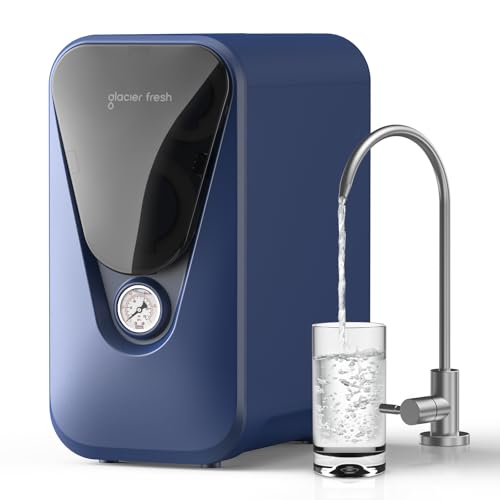
- ✓ Tankless space saver
- ✓ Quiet operation
- ✓ Low waste ratio
- ✕ Requires hole in sink
- ✕ Needs steady water pressure
| Filtration Stages | 5-stage filtration |
| Certification Standards | NSF/ANSI 58, NSF/ANSI 372, NSF/ANSI 401 |
| Operational Type | Tankless under-sink reverse osmosis system (water-powered, no electricity) |
| Membrane Rating | 0.0001 μm RO membrane |
| Flow and Efficiency | 800 GPD peak flow; 3:1 pure-to-waste ratio |
| Inlet Pressure Requirement | Minimum 40 PSI inlet pressure |
You notice it the moment you pull the GFU03 out of the box: there’s no bulky tank in sight, just a compact, tankless profile that sits flatter under the sink. It makes your cabinet feel bigger, not crowded, which is exactly what you’ve been hoping for.
The real subtle win is the 30-minute install. You’re measuring space, drilling a single hole, and snapping in adapters with tool-free fittings.
It goes from “will this fit?” to “serviceable and ready” in what feels like a bathroom break.
With the tankless design, there’s almost no humming or buzzing. It’s near-silent, especially compared to the old RO system you used to dread hearing at 2 a.m.
The built-in 3:1 pure-to-waste ratio is noticeable in your water bill and your conscience—less waste, more purified droplets.
Flow is surprisingly robust for daily use. You get clean water fast enough for coffee, tea, and a quick pitcher fill for the kids.
The 800 GPD claim holds up in real life, provided your incoming pressure stays up around 40 PSI.
The 0.0001μm membrane is the star here, smoothing out tastes and odors that used to linger. You can taste the difference in the first glass—crisp, clean, and lightly sweet in a way that makes you want to skip bottled water altogether.
Final note: measure your under-sink space carefully. The GFU03’s dimensions fit most setups, but you’ll want room for connections and easy filter changes.
The pull-out filter cartridge is handy, once you get the hang of flushing it before first use.
What is a Sink Osmosis Filter and How Does It Work?
A sink osmosis filter, often referred to as a reverse osmosis (RO) system, is a water purification technology that uses a semi-permeable membrane to remove impurities and contaminants from water. This process involves applying pressure to force water through the membrane, which allows only water molecules to pass while blocking larger molecules, such as salts, bacteria, and other contaminants.
According to the U.S. Environmental Protection Agency (EPA), reverse osmosis systems are effective in reducing many contaminants, including lead, chlorine, and fluoride, making them a popular choice for home water filtration. The EPA states that these systems can remove up to 99% of total dissolved solids (TDS) from water, which signifies their effectiveness in purification.
Key aspects of sink osmosis filters include their multi-stage filtration process, which typically involves pre-filters to remove sediment and chlorine, the reverse osmosis membrane for the core purification, and post-filters to polish the water before it reaches the tap. Many systems also come with storage tanks to hold purified water, ensuring a steady supply. The efficiency of these systems can vary based on water pressure, temperature, and the specific contaminants present in the water.
This technology is crucial for providing safe drinking water, especially in areas where the water supply may be contaminated with heavy metals or harmful microorganisms. The widespread implementation of reverse osmosis systems has led to significant improvements in public health, as they help to reduce waterborne diseases and provide access to clean water.
Statistics show that in the United States alone, nearly 15% of households use some form of filtration system, with reverse osmosis being one of the most trusted methods. Furthermore, studies indicate that the demand for reverse osmosis filters is expected to grow, reflecting increasing awareness of water quality issues and the importance of safe drinking water.
The benefits of using a sink osmosis filter include improved taste and odor of drinking water, enhanced safety through the removal of harmful contaminants, and reduced reliance on bottled water, which is both environmentally friendly and cost-effective over time. Additionally, many modern systems are designed to be user-friendly and require minimal maintenance.
Best practices for maintaining a sink osmosis filter involve regular filter changes as recommended by the manufacturer, monitoring water quality to ensure the system is functioning correctly, and ensuring that the system is installed properly to prevent leaks and contamination. Users should also consider periodic sanitization of the system to maintain optimal performance and water quality.
What Are the Key Benefits of Using a Sink Osmosis Filter?
The key benefits of using a sink osmosis filter include enhanced water quality, improved taste, and cost-effectiveness.
- Enhanced Water Quality: Sink osmosis filters effectively remove contaminants such as heavy metals, chlorine, and other impurities from tap water. This results in cleaner and safer water for drinking and cooking, contributing to better overall health.
- Improved Taste: The filtration process eliminates unpleasant tastes and odors commonly associated with tap water. By providing fresh and pure water, these filters enhance the flavor of beverages and food prepared with filtered water.
- Cost-Effectiveness: Over time, using a sink osmosis filter can be more economical than purchasing bottled water. While there is an initial investment in the filter system, the long-term savings on bottled water and reduced plastic waste make it a financially sound choice.
- Convenience: Sink osmosis filters are typically installed directly under the sink, providing easy access to filtered water on demand. This convenience eliminates the need to store large quantities of bottled water, making it a practical solution for households.
- Environmental Benefits: By reducing reliance on bottled water, sink osmosis filters contribute to less plastic waste and lower carbon footprints. This eco-friendly choice promotes sustainability and helps protect the environment.
What Features Should You Consider When Choosing the Best Sink Osmosis Filter?
When choosing the best sink osmosis filter, several key features should be considered to ensure effective water purification and ease of use.
- Filtration Stages: Look for a system with multiple filtration stages, typically including pre-filters, a reverse osmosis membrane, and post-filters. Each stage serves a specific purpose, such as removing sediment, chlorine, and contaminants, which leads to cleaner, better-tasting water.
- Water Production Rate: The water production rate, often measured in gallons per day (GPD), indicates how much purified water the system can produce. A higher GPD is advantageous for households with higher water consumption needs, ensuring a steady supply of drinking water without long wait times.
- Filter Lifespan: Consider the lifespan of the filters included in the system, as longer-lasting filters can reduce maintenance frequency and costs. Regular replacement schedules can vary significantly, so choosing a system with filters that last longer can be more convenient and economical.
- Ease of Installation: The installation process should be straightforward, ideally requiring no special tools or plumbing expertise. Some systems come as DIY kits with clear instructions, while others might need professional installation, which can add to the overall cost.
- Space Requirements: Assess the space available under your sink since some reverse osmosis systems can be bulky. Compact designs can save space while ensuring that all components fit comfortably and allow for easy access during maintenance and filter changes.
- Water Waste Ratio: Reverse osmosis systems typically produce some wastewater in the purification process, and the water waste ratio indicates how much water is wasted compared to purified water produced. A lower waste ratio is more efficient, making it a better option for environmentally conscious users.
- Certifications: Look for certifications from organizations like NSF or WQA, which indicate that the product has been tested for safety and performance. Such certifications assure consumers that the system meets specific quality standards and is effective in removing contaminants.
- Cost and Warranty: Evaluate both the initial purchase price and the long-term operational costs, including replacement filters. A good warranty can also provide peace of mind, covering defects and ensuring support from the manufacturer if issues arise.
Which Sink Osmosis Filters Are Highly Rated by Consumers?
The best sink osmosis filters highly rated by consumers include:
- Apec ROES-50 Reverse Osmosis System: This system is known for its high-quality filtration and reliability.
- Home Master TMAFC-ERP Reverse Osmosis System: It features a unique design that enhances the efficiency of water filtration.
- iSpring RCC7AK Reverse Osmosis System: This filter is praised for its affordability and effective multi-stage filtration process.
- Waterdrop WD-G3-W Reverse Osmosis System: It is recognized for its compact design and advanced filtration technology.
Apec ROES-50 Reverse Osmosis System: This system uses a 5-stage filtration process to remove up to 99% of contaminants from water, including lead, chlorine, and fluoride. Its durable construction and easy installation make it a favorite among homeowners looking for a reliable solution to improve drinking water quality.
Home Master TMAFC-ERP Reverse Osmosis System: This system incorporates a full contact remineralization feature that adds essential minerals back into the water after filtration. This not only improves taste but also ensures that the pH level of water is balanced, making it a preferred choice for those concerned about the health benefits of mineral-rich water.
iSpring RCC7AK Reverse Osmosis System: This model is particularly popular for its affordability without compromising on quality. It offers a 6-stage filtration process, which includes an alkaline remineralization filter, ensuring that you receive purified water that tastes great and retains essential minerals.
Waterdrop WD-G3-W Reverse Osmosis System: This system stands out due to its sleek and compact design, which allows it to fit under most kitchen sinks easily. It utilizes a 4-stage filtration system with a smart filter life indicator, making it user-friendly and efficient for those seeking a reliable water purification solution.
What Are the Top Features Users Love in Their Preferred Sink Osmosis Filters?
The top features users love in their preferred sink osmosis filters include:
- Multi-stage Filtration: Many users appreciate filters that utilize a multi-stage process, which typically includes pre-filters, reverse osmosis membranes, and post-filters. This multi-layered approach ensures that a wide range of contaminants, including chlorine, heavy metals, and microorganisms, are effectively removed, resulting in cleaner and safer drinking water.
- Space-saving Design: A compact design is highly favored, especially in smaller kitchens where space is limited. Users enjoy systems that can fit under the sink without taking up too much room, allowing for easy installation and maintenance while still delivering high-quality filtration.
- High Purification Rate: The purification rate, or how quickly the filter can produce clean water, is crucial for many users. Filters that can deliver a high volume of purified water quickly are preferred, as they accommodate busy households and ensure that clean water is readily available for drinking and cooking purposes.
- Ease of Installation: Many users look for systems that are easy to install without requiring professional help. Features like quick-connect fittings and clear instructions can make the installation process straightforward, empowering users to set up their filtration system efficiently.
- Filter Replacement Indicators: Users find filters with built-in indicators that alert them when it’s time for a replacement very useful. This feature helps ensure that the system continues to operate efficiently and provides optimal water quality without requiring constant manual checks.
- Quality of Water Taste: The improvement in taste is a significant factor for many users. Filters that not only remove harmful contaminants but also enhance the overall taste of the water are highly regarded, as they encourage more frequent hydration and contribute to a better culinary experience.
- Affordability: Cost is a crucial consideration, with users often seeking the best balance between price and performance. Many prefer systems that provide high-quality filtration at a reasonable price point, along with affordable replacement filters to maintain ongoing usage.
- Durability and Warranty: Users value systems that are built to last and come with a solid warranty. A durable filter not only ensures longevity but also provides peace of mind that the investment will yield long-term benefits without frequent replacements.
How Can You Properly Maintain a Sink Osmosis Filter for Longevity?
To ensure the longevity and optimal performance of a sink osmosis filter, proper maintenance is crucial.
- Regular Filter Replacement: It’s essential to replace the filters according to the manufacturer’s schedule, typically every 6 to 12 months. Over time, filters can become clogged with contaminants, which reduces the efficiency of the system and can lead to poor water quality.
- Sanitization: Regularly sanitize the system, especially the storage tank and the faucet, to prevent bacterial growth. Use a solution recommended by the manufacturer, and follow the instructions to ensure all components are properly cleaned without damaging them.
- Check for Leaks: Periodically inspect the system for any signs of leaks or water damage. Addressing leaks promptly not only prevents water wastage but also protects your home from potential water damage.
- Water Pressure Monitoring: Ensure that the water pressure entering the system remains within the recommended range. High pressure can damage the filter membrane, while low pressure can affect the filtration process, leading to subpar water quality.
- Flush the System: After replacing filters or sanitizing, flush the system according to the manufacturer’s instructions. This step removes any residual contaminants and ensures that fresh, clean water is delivered from the start.
- Store Properly When Not in Use: If you’re not using the filter for an extended period, ensure it’s stored properly, ideally in a cool, dry place. This helps in preventing any deterioration of the components and ensures that everything remains in good condition for when you need it again.
What Common Problems Might You Encounter with a Sink Osmosis Filter?
Common problems encountered with a sink osmosis filter include:
- Low Water Pressure: This issue often arises due to clogs in the filter or the pre-filters, which can restrict water flow. If the pressure is too low, the filtration process may be ineffective, leading to longer wait times for water and less efficient filter performance.
- Membrane Clogging: Over time, the reverse osmosis membrane can accumulate impurities, leading to a decrease in filtration efficiency. Regular maintenance and replacement of the membrane are necessary to ensure optimal performance and avoid potential contamination of filtered water.
- Leakage: Leaks can occur at various points, such as the faucet or connections, often due to worn-out seals or improper installation. It’s crucial to regularly check for leaks, as they can lead to water damage and increased water bills.
- Waste Water Issues: A reverse osmosis system typically produces waste water along with filtered water, and if the ratio becomes unbalanced, it may indicate a problem. Monitoring the waste water ratio is important to ensure the system is functioning correctly and not wasting excessive water.
- Odors or Unpleasant Taste: If the filtered water develops an unusual taste or odor, it may be due to bacteria growth in the storage tank or a failing filter. Regular replacement of filters and sanitizing the system can help maintain the quality of the drinking water.
- System Not Producing Water: This can be caused by issues such as a closed valve, low water supply, or a malfunctioning pump. Troubleshooting these components is essential to restore proper function and ensure a steady supply of filtered water.
How Do Sink Osmosis Filters Compare to Other Filtration Systems?
| Type of Filtration | Sink Osmosis Filters | Other Filtration Systems |
|---|---|---|
| Filtration Method | Uses a membrane to remove contaminants at the molecular level. | Varies; includes activated carbon, UV, and ceramic methods. |
| Cost | Typically ranges from $150 to $600, depending on the system. | Can range from $30 for simple pitchers to $1000+ for advanced systems. |
| Maintenance | Requires filter replacements every 6-12 months and occasional membrane replacement. | Maintenance varies; some systems require regular filter changes, while others need less frequent servicing. |
| Water Quality | Highly effective at removing a wide range of contaminants, improving taste and clarity. | Effectiveness varies; some systems may not remove certain contaminants as effectively. |
| Water Waste | Can waste 3-4 gallons of water for every gallon filtered. | Generates little to no waste, depending on the system. |
| Installation | Typically requires professional installation due to complexity. | Many systems are DIY-friendly and easy to install. |
| Lifespan | Membrane lasts 2-5 years; other filters vary. | Lifespan varies significantly; activated carbon filters may last 6-12 months. |