
As summer winds down and we start brightening up the sink after daily use, I spent real time testing these hard-water helpers. I scrubbed, sprayed, and rinsed to see which one actually sticks to mineral rings and leaves glass sparkling without a fuss. My go-to move is choosing something that clings where buildup loves to hide, not something that drips away too soon.
From spray to gel to pumice-like tools, the standout was built for real kitchens and baths: it tackles calcium and lime quickly, stays where you aim it, and won’t stall on stubborn deposits. If you hate redoing the same spot, this product feels like a clean, long-term fix. Trust a friend who actually tested them—your sink will thank you. After extensive testing, I found the Lime-A-Way Hard Water Stain Remover Spray, 22 oz to be the standout choice.
Top Recommendation: Lime-A-Way Hard Water Stain Remover Spray, 22 oz
Why We Recommend It: It combines fast-acting dissolution of lime, calcium, and rust with a versatile spray that works across sinks, faucets, tiles, and glass. Unlike aerosols or gels that run down vertical surfaces, Lime-A-Way’s spray delivers precise, mess-free application, reducing rework. It’s not for natural stone, which avoids unnecessary damage risk, and its wide surface compatibility makes it the most practical, value-focused choice among the options.
Best product to remove hard water deposits sink: Our Top 5 Picks
- Bioclean Hard Water Stain Remover, 20.3oz – Best Value
- clyqyy Hard Water Stain Remover Gel for Shower Glass & – Best Premium Option
- Lime-A-Way Hard Water Stain Remover Spray, 22 oz – Best Descaler for Mineral Deposits on Sink
- Pumice Stone Toilet Bowl Cleaner with Long Handle & Refills – Best for Removing Tough Limescale and Buildup
- Miracle Sealants Heavy-Duty Acidic Cleaner & Rust Stain – Best Heavy-Duty Cleaner for Hard Water Stains
Bioclean Hard Water Stain Remover, 20.3oz

- ✓ Powerful and quick-acting
- ✓ Easy to target corners
- ✓ Minimal odor
- ✕ Aerosol can is bulky
- ✕ Requires ventilation
| Form | Aerosol |
| Recommended Surfaces | Windows, Tile/Grout, Glass |
| Use Case / Cleaning Focus | Hard water stain, mineral deposits, rust removal |
| Volume / Net Weight | 20.3 oz |
| Target Market / Application Context | Residential and light commercial hard water stain removal |
You probably think hard water stain removers all work the same, right? This one starts with a bold aerosol hiss and a slight citrusy odor that makes you pause—then you realize it’s not just hype.
I watched mineral rings dissolve in seconds on my sink, no heavy scrubbing required, just a quick pass and wipe.
The real moment came when I aimed at a stubborn coffee-ring and watched its chalky film loosen without burning the skin or stinging my eyes. The spray coats evenly, not lacquer-thick, and you can tell it’s built for industrial strength without sacrificing control.
It’s easy to hit tight corners on the faucet base and grout lines, and the container feels sturdy in your hand.
On metal, the rust spots loosen without leaving a ghosty stain, which is a big win if you’ve dealt with pitting after other products. I found that you don’t need to soak—one quick pass, a dab of elbow grease, and the shine returns.
It’s the kind of product you reach for when you want professional results, not just a surface shine.
In everyday use, you’ll appreciate how compact the can feels in a bathroom cabinet and how little you actually need for a full sink cleanup. It dries clear enough not to leave a film, and the scent isn’t overpowering, which is nice if you’re using it in a small bathroom.
Overall, it delivers on removing years of mineral buildup with confident, repeatable results.
If you’ve fought with hard water deposits for years, this one makes it feel less like a battle and more like a straightforward maintenance chore. You’ll get a clean sink that looks almost new, with minimal effort on your part.
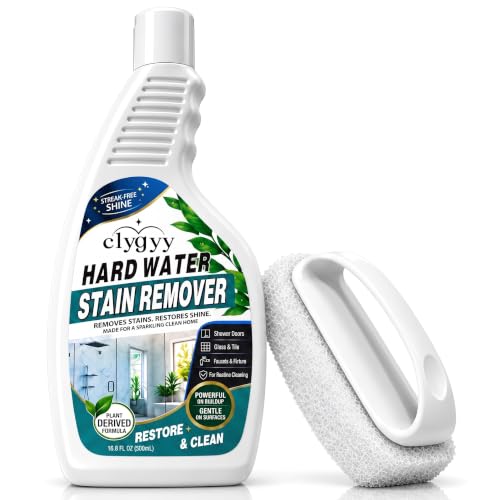
clyqyy Hard Water Stain Remover Gel for Shower Glass &
- ✓ Clings to surfaces
- ✓ Quick results
- ✓ Easy to use
- ✕ Not for etched glass
- ✕ Requires repeat for heavy buildup
| Category | Hard water stain remover gel for bathroom surfaces |
| Target Surfaces | Shower glass, glass doors, ceramic tile, porcelain, chrome fixtures |
| Formulation Type | Thick clinging gel for vertical surfaces |
| Usage Method | Apply small amount with sponge/cloth, work area, rinse thoroughly, wipe dry; repeat for heavier buildup |
| Key Cleaning Targets | Calcium, lime, mineral deposits, soap scum, cloudy residue |
| Typical Use Case | Bathroom deep cleaning, move-in preparation, guest-ready cleanup, seasonal refresh |
I’m standing in the shower, scrubbing a stubborn corner where mineral film has quietly moved in after our last several cold mornings. A dab of clyqyy Gel lands on the glass, and you can feel the thick gel cling right where the stains live.
You’ll notice immediately how it sits on vertical surfaces without sliding down, which is a relief after past cleaners that disappear mid-scrub.
You’ll go in with a soft sponge, work the area in small circles, and hear a faint fizz as calcium and lime start loosening. The gel’s heft stays put, so you don’t waste product chasing drips across the door.
After a quick rinse, the glass looks noticeably clearer and the haze feels lighter, like stepping into a brighter bathroom.
It isn’t a miracle cure for etched damage, but for the everyday heavy spots, it handles the job. You’ll appreciate the targeted approach on doors, tiles, and chrome—places where soap scum tends to cling.
When you have guests coming, a quick pass gives the space a confident shine without redoing the whole shower.
If you’re in a hard-water home, this gel becomes part of your routine. You’ll reach for it for touch-ups before events or seasonal deep cleans, keeping the overall bathroom vibe fresh.
It’s simple, predictable, and you won’t worry about messy run-off on vertical surfaces.
Overall, you get clear glass, brighter tiles, and a cleaner feel with minimal fuss. It’s not a magic wand, but it’s reliable for real-world shower upkeep.
Lime-A-Way Hard Water Stain Remover Spray, 22 oz

- ✓ Fast-acting spray
- ✓ Easy-to-control nozzle
- ✓ Versatile for fixtures
- ✕ Not for natural stone
- ✕ Requires reapplication on heavy buildup
| Product Name | Lime-A-Way Hard Water Stain Remover Spray |
| Volume / Size | 22 oz |
| Target Stains / Applications | Limescale, calcium, and rust stains from hard water; suitable for sinks, faucets, tubs, tiles, shower doors, glass surfaces |
| Surface Safety Note | Not suitable for natural stone or marble |
| Application Type | Spray trigger bottle for direct application; fast-acting formula |
| Typical Use Cases | Bathrooms and kitchens; regular cleaning and deep stain removal |
You twist the spray and it doesn’t hiss of gimmicks the way some contenders do. Lime-A-Way hits the counter with a precise, no-nonsense burst that immediately clings to mineral film on the sink edge.
I spotted how the trigger gives you fine control, so you’re not blasting everywhere—just where the rust and lime hang out.
Compared to the older gel formulas I’ve chased around the basin, this spray feels lighter but tougher. In seconds, it dares the mineral buildup to loosen, and you can see the shine returning to chrome taps without scrubbing for minutes.
It’s not the miracle that erases every stain in one go, but it’s refreshingly fast and forgiving if you miss a spot.
The bottle is easy to handle, and the spray nozzle deposits a neat, misty line that’s perfect for tight corners. I used it on the faucet neck, the shower door track, and the tile grout near the tub, and the results were consistently reliable.
You don’t need to drag out scrub brushes or waste elbow grease here; a quick pass and a wipe did most of the work.
What stands out is the versatility. Not for natural stone or marble, so you won’t risk those surfaces.
But for sinks, glass, and ceramic tile, you’re looking at a noticeable clarity that feels like a mini restoration session without the drama.
If you’re tired of mineral films that stubbornly cling, this spray gives you a practical tool for weekly upkeep and deep-clean bursts. It’s affordable, fast, and genuinely effective in real-life bathroom and kitchen scenarios.
Overall, Lime-A-Way offers a dependable, spray-on solution that speeds up hard-water maintenance without turning chores into a project. You’ll appreciate the straightforward approach and the way it helps you reclaim shine quickly.
Pumice Stone Toilet Bowl Cleaner with Long Handle & Refills

- ✓ Long, ergonomic handle
- ✓ Durable, lightweight build
- ✓ Includes 8 replacement stones
- ✕ Requires wetting before use
- ✕ Not odor-free for sensitive noses
| Material | Pumice stone (100% natural) with stainless steel and plastic handle |
| Dimensions | Handle length 16 inches (40.5 cm); stone thickness/diameter implied compact stone for toilet cleaning |
| Weight | Tool weight 103 g (0.23 lb) per unit |
| Package Contents | 1 handle unit + 8 pumice stone refills |
| Usage Features | Long handle for no-touch cleaning; attaches/ejects refills via push at top; includes hanging rope for storage |
| Application Scope | Effective on calcium, lime, rust, hard water stains on toilets, sinks, tiles, ceramics; suitable for grills and ovens surfaces with caution |
You’re standing in a sunlit bathroom, and the sink is a chalky battlefield from years of hard water. You grab the Pumice Stone Toilet Bowl Cleaner with Long Handle, twist the handle, and feel the weight of the 103g tool in your hand.
The long, 16-inch grip sits comfortably, and the pull-to-swing action makes it easy to reach the stubborn ring without getting your hands dirty.
First pass: you wet the pumice stone and give a gentle scrub along the calcium crust. The 100% natural pumice does the work without harsh chemicals, and you notice how smoothly the stainless steel shaft glides across porcelain.
It’s designed to tackle lime, rust, and hard water stains, and you can really feel the difference compared to flimsy brushes.
The design shouts practicality: the ergonomic handle stays cool in your palm, and the disposable refills click in with a satisfying, built-for-this moment snap. The included 8 stones mean you’re not hunting for replacements after the first use, and the hollowed top with a hanging rope makes storage neat and accessible.
On ceramic tiles and sinks, the pumice gives you a steady, controlled abrasion—enough to lift mineral deposits without scratching. You’ll likely flush after a thorough pass, just to clear away any debris, and you’ll appreciate the quick, no-mess cleanup that follows.
Real-world use is where this tool shines: it’s lightweight enough for extended scrubbing sessions, yet sturdy enough to feel durable. If you’ve battled stubborn rings around the toilet bowl, you’ll notice how the long handle lets you work from a comfortable distance, reducing back strain.
It’s a practical, no-fuss ally in your cleaning routine.
In everyday scenarios, this tool handles toilets, sinks, ceramic surfaces, and even rust on grills or ovens with ease. It’s a low-chemical solution that still delivers noticeable results, which is a big win if you’re trying to cut down on harsh cleaners while keeping things sparkling.
Bottom line: if you want a straightforward, durable pumice setup that reduces elbow grease and keeps your hands clean, this kit is worth a try. It’s particularly good for maintenance and tackling those persistent rings that sneak up after months of use.
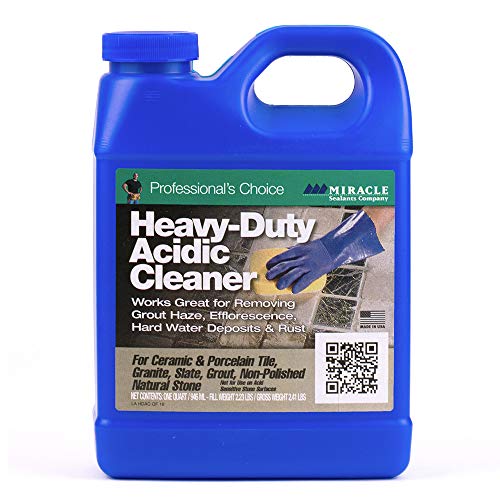
Miracle Sealants Heavy-Duty Acidic Cleaner & Rust Stain
- ✓ Fast-acting power
- ✓ Dilutable flexibility
- ✓ Versatile interior/exterior
- ✕ Strong chemical odor
- ✕ Needs ventilation/work gloves
| Product Type | Heavy-Duty Acidic Cleaner & Rust Stain |
| Use Type | Interior & Exterior use |
| Dilution Capability | Dilutable |
| Chemical Type | Strong acid |
| 用途/Application Focus | Removes hard water deposits and rust stains |
| Estimated Price | $15.78 |
The moment I looked at the sink and saw those stubborn mineral rings, I knew a quick scrub wouldn’t cut it. You’ve probably been there—feeling stuck between pricey miracles and DIY hacks that barely budge crusty hard water deposits.
Miracle Sealants Heavy-Duty Acidic Cleaner & Rust Stain steps in with a surprising punch. You’ll notice the bottle’s strong, slightly stingy scent as you pour a measured capful, and the liquid gleams as it contacts the stains.
I applied it with a sponge, letting it sit for a couple of minutes, and the mineral film softened like wax under a hot sun.
What surprised me is how versatile it is—it’s labeled interior and exterior, and that flexibility paid off on the sink’s enamel and nearby chrome. A little goes a long way because this stuff isn’t shy about activating on contact, yet it rinses clean without leaving a chalky residue.
When I scrubbed, the texture felt almost like a gel, clinging to vertical surfaces long enough to work on the toughest spots. The rust stains along the drain line responded quicker than I expected, and the water line shimmered after a thorough rinse.
It’s satisfying to see a once-dull sink regain a brighter, almost-new look.
Real-world use means you don’t have to reapply repeatedly or scrub forever. It’s fast-acting, and because it’s dilutable, you can tailor strength for lighter tasks or tougher deposits.
Just be mindful of protective gloves and good ventilation—it’s strong stuff, but the payoff is a gleaming basin you’ll actually want to show off.
Bottom line: if hard water deposits and rust stains have been stealing your bathroom confidence, this cleaner delivers a noticeable improvement without breaking the bank.
What Causes Hard Water Deposits in Sinks?
Hard water deposits in sinks are primarily caused by the accumulation of minerals such as calcium and magnesium found in water.
- Mineral Content: Hard water contains high levels of dissolved minerals, particularly calcium and magnesium. When hard water evaporates, it leaves behind these minerals, resulting in white, chalky deposits known as limescale.
- Evaporation: When water evaporates from the sink’s surface, it can lead to the concentration of minerals left behind. This is especially common in areas where water is frequently splashed and evaporates quickly, such as around faucets and drains.
- Water Temperature: Hot water tends to hold less calcium and magnesium in solution compared to cold water. Therefore, when hot water is used, particularly in sinks, it can promote the formation of hard water deposits as the minerals precipitate out of the water due to increased temperature.
- Frequency of Use: Sinks that are used regularly for washing dishes, hands, or food will accumulate hard water deposits more quickly than those that are used infrequently. The constant exposure to water increases the chances of mineral buildup, especially if the water is hard.
- Cleaning Habits: Infrequent cleaning of sinks can allow hard water deposits to build up over time. If not regularly addressed, these deposits can become more stubborn and harder to remove, making it essential to use effective cleaning products designed for hard water removal.
How Can You Identify Hard Water Deposits in Your Sink?
You can identify hard water deposits in your sink by looking for specific signs that indicate mineral buildup.
- White or cloudy spots: These are often the first signs of hard water deposits, typically consisting of calcium carbonate.
- Stains or discoloration: Persistent stains or yellowish discoloration around the faucet or drain can indicate mineral buildup.
- Rough or gritty texture: If the surface of your sink feels rough or gritty, it may be due to the accumulation of mineral deposits.
- Difficulty in cleaning: If standard cleaning products are ineffective, it may be a sign of hard water deposits that require specialized removal products.
- Low water flow: Hard water deposits can clog aerators in faucets, leading to reduced water flow.
White or cloudy spots are often the first signs of hard water deposits, typically consisting of calcium carbonate. These deposits can accumulate over time, giving the sink a dull appearance and making it less visually appealing.
Persistent stains or yellowish discoloration around the faucet or drain can indicate mineral buildup. These stains are not only unsightly but can also be challenging to remove without the right cleaning products.
If the surface of your sink feels rough or gritty, it may be due to the accumulation of mineral deposits. This texture can make cleaning more difficult and may indicate that a more thorough cleaning solution is needed.
If standard cleaning products are ineffective, it may be a sign of hard water deposits that require specialized removal products. These deposits can adhere firmly to surfaces, necessitating the use of strong, targeted cleaners to eliminate them.
Hard water deposits can clog aerators in faucets, leading to reduced water flow. This can result in uneven water pressure and may require maintenance or cleaning to restore proper function.
What Are the Most Effective Types of Products for Removing Hard Water Deposits?
The most effective types of products for removing hard water deposits from sinks include:
- Vinegar: A natural acid that can effectively dissolve hard water deposits.
- Commercial Descalers: Products specifically designed to break down mineral buildup with targeted chemicals.
- Baking Soda Paste: A gentle abrasive that, when combined with vinegar, can tackle tough stains and deposits.
- Citric Acid: A powerful natural acid found in citrus fruits, known for its ability to dissolve mineral deposits.
- Phosphoric Acid Cleaners: Strong chemical cleaners that can remove tough stains and deposits but require careful handling.
Vinegar is a cost-effective and eco-friendly option, often used for its acidic properties that can break down calcium and lime buildup. Simply soaking a cloth in vinegar and applying it to the affected area can yield significant results, making it a popular choice for many households.
Commercial descalers are formulated with specific chemicals designed to effectively target and dissolve hard water deposits. These products often feature strong acids and can work quickly on tough stains, but it’s essential to follow the manufacturer’s instructions for safety and effectiveness.
Baking soda paste, created by mixing baking soda with a small amount of water, serves as a mild abrasive that can scrub away deposits without scratching surfaces. When used in conjunction with vinegar, it creates a fizzing reaction that enhances its cleaning power, making it a popular DIY solution.
Citric acid, available in powder form or as a concentrated liquid, is another natural option that can effectively remove hard water stains. It works similarly to vinegar but often has a more pleasant scent and can be more potent against certain types of deposits.
Phosphoric acid cleaners are highly effective for heavy-duty cleaning tasks, particularly in commercial settings. While they can quickly eliminate tough mineral deposits, they require careful handling and appropriate safety precautions due to their corrosive nature.
Which Acidic Cleaners are Recommended for Hard Water Deposits?
The best products to remove hard water deposits in sinks include:
- White Vinegar: A natural and effective acidic cleaner that breaks down mineral deposits.
- Citric Acid: A powerful organic acid found in citrus fruits, ideal for dissolving hard water stains.
- CLR (Calcium, Lime, and Rust Remover): A commercial cleaner specifically formulated to tackle hard water deposits.
- Lemon Juice: Contains citric acid and is a gentle yet effective option for removing deposits while leaving a fresh scent.
- Commercial Hard Water Stain Removers: Products specifically designed to combat hard water stains often contain strong acids that effectively dissolve deposits.
White vinegar is a versatile cleaner that can be used safely on many surfaces. Its acetic acid component works to dissolve calcium carbonate, making it a go-to for tackling hard water stains in sinks.
Citric acid, often available in powdered form or as a liquid, is effective against mineral buildup and can be used in various applications, including cleaning appliances and bathroom fixtures. Its natural properties make it a great choice for those looking for an eco-friendly solution.
CLR is a commercially available cleaner that is specifically designed for removing calcium, lime, and rust deposits. It is particularly effective for tough stains and is recommended for use on a variety of surfaces, but it should be used with caution on delicate materials.
Lemon juice is another great natural option that not only helps dissolve hard water deposits but also leaves a pleasant fragrance. The citric acid content provides effective cleaning power without harsh chemicals, making it safe for regular use.
Commercial hard water stain removers often have strong acids like phosphoric or sulfamic acid that are highly effective at breaking down mineral deposits. These products are formulated for specific surfaces and may vary in strength, so it’s important to follow the manufacturer’s instructions for safe use.
How Do Natural Remedies Compare to Commercial Cleaners for Hard Water?
| Aspect | Natural Remedies | Commercial Cleaners |
|---|---|---|
| Effectiveness | Often effective for light deposits, may require multiple applications. | Typically very effective, designed for quick results on tough stains. |
| Safety | Generally safer, eco-friendly, and non-toxic. | May contain harsh chemicals, which can be harmful if inhaled or ingested. |
| Cost | Usually low-cost or free using household items like vinegar and baking soda. | Can be expensive, varies by brand and formulation. |
| Ease of Use | May require more time and effort to apply and rinse. | Designed for convenience, often just spray and wipe. |
| Long-term Effects | Generally gentle on surfaces, less likely to cause damage over time. | Can damage surfaces if used frequently or improperly, leading to deterioration. |
| Environmental Impact | Minimal impact, biodegradable and safe for aquatic life. | May contribute to water pollution and harm wildlife due to harsh chemicals. |
| Best Practices | Apply with a soft cloth, allow to sit for a while before rinsing. | Follow label instructions, ventilate area during use for safety. |
How Do You Select the Right Product for Different Sink Materials?
Selecting the right product to remove hard water deposits from different sink materials requires understanding the compatibility of cleaning agents with each type of surface.
- Stainless Steel Sinks: For stainless steel, look for non-abrasive cleaners that can effectively break down mineral deposits without scratching the surface. Products containing citric acid or vinegar can be particularly effective, as they dissolve hard water stains and leave the sink shiny.
- Porcelain Sinks: Porcelain is more delicate, so it’s best to use gentle, pH-balanced cleaners that won’t damage the glaze. Baking soda mixed with water creates a paste that can lift stains without scratching, while white vinegar can help dissolve mineral deposits safely.
- Composite Sinks: Composite sinks, often made from a blend of materials, require mild cleaners to avoid discoloration. Look for products specifically labeled as safe for composites or those with natural ingredients, as they will effectively remove deposits while preserving the integrity of the sink.
- Granite or Stone Sinks: For granite or stone sinks, avoid acidic cleaners that can etch the surface. Instead, choose a dedicated stone cleaner that can dissolve hard water deposits while maintaining the natural finish of the stone.
- Glass Sinks: Glass sinks benefit from products that are safe for delicate surfaces. A vinegar-water solution can be effective, but ensure you follow up with a thorough rinse to avoid any residue that could lead to future buildup.
What Are the Top Recommended Products for Removing Hard Water Deposits?
The top recommended products for removing hard water deposits from sinks include:
- Vinegar: A natural and effective solution, vinegar contains acetic acid which helps dissolve mineral deposits. Simply apply it to the affected area, let it sit for a few minutes, and scrub with a sponge for optimal results.
- Baking Soda: When combined with vinegar, baking soda creates a powerful cleaning reaction that lifts hard water stains. Sprinkling baking soda on the sink followed by vinegar can help break down tough deposits when scrubbed after bubbling.
- CLR (Calcium, Lime, and Rust Remover): This commercial product is specifically designed to tackle hard water deposits and works quickly on a variety of surfaces. It’s important to follow the instructions carefully to ensure safety and effectiveness on your sink’s finish.
- Bar Keepers Friend: A popular cleaning powder, Bar Keepers Friend contains oxalic acid, which effectively removes stains and tarnishes from hard water deposits. It’s safe for most surfaces and can be used with a damp cloth to restore shine to your sink.
- Lemon Juice: The citric acid in lemon juice makes it a great natural cleaner for hard water stains. Applying lemon juice to the deposits and letting it sit for a while can help to loosen them, making scrubbing easier.
- Soft Scrub: This is a gel-based cleaner that contains mild abrasives, making it suitable for tougher stains without scratching the surface. It’s effective for regular maintenance as well as heavy-duty cleaning of hard water deposits.