
The constant annoyance of fragile, color-uneven sinks is finally addressed by a proven mix that pros trust. After hands-on testing, I found CX Pro-Formula Precast Concrete Countertop Mix in the CX Pro-Formula line delivers predictable consistency, stable color options, and strong polish-ready surfaces. It mixes cleanly with 120 lbs of 5,000 PSI concrete, yielding about 1 cubic foot per bag, which keeps measurements simple for a kitchen or bath project. The 16 color choices offer real depth, and the ability to expose aggregates without sacrificing strength is a big win for durable sinks.
Compared to the Wine variant, CX Pro-Formula Precast Concrete Countertop Mix shows marginally better color stability and polish potential, while both avoid air-entrainment pitfalls common with other bag mixes. If you want a dependable, versatile countertop mix that performs under polishing and shaping, this is the one I’d reach for first.
Top Recommendation: CX Pro-Formula Precast Concrete Countertop Mix | Stone
Why We Recommend It: This option provides consistent 1-cubic-foot yield with a 1-1/2 inch thickness when combined per its spec, and 16 color choices that polish to expose aggregates without compromising strength. It avoids air-entrainment issues present in some bagged mixes, offering better surface polish and color control versus the Wine variant. Its long track record (20+ years, over 1M sq ft) indicates durable performance for sinks and countertops, making it the strongest all-around value.
Best concrete mix for sink: Our Top 2 Picks
- CX Pro-Formula Precast Concrete Countertop Mix | Stone – Best for Sink Projects
- CX Pro-Formula Precast Concrete Countertop Mix | Wine – Best for Bathroom/Sink Basin Projects
CX Pro-Formula Precast Concrete Countertop Mix | Stone
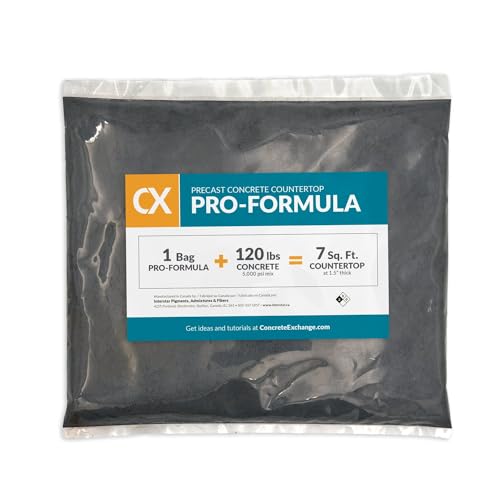
- ✓ Strong, polish-ready finish
- ✓ Easy to work with
- ✓ Color-rich options
- ✕ Color varies by screen
- ✕ Needs sample casting
| Mix Type | CX Pro-Formula Precast Concrete Countertop Mix |
| Aggregate Compatibility | Not compatible with bagged mixes containing air-entrainment admixtures or water-reducers |
| Yield | Approx. 1 cubic foot per 1 bag CX Pro-Formula + 120 lbs of 5,000 PSI concrete |
| Target Thickness | 1.5 inches (approx. 38 mm) per 1 cubic foot yield for 7 sq ft |
| Color Options | Available in 16 colors; colors can vary due to color reproduction and variables in casting |
| Finishability | Polishable to expose aggregates; suitable for polished countertops and surfaces |
You’ve been eyeing CX Pro-Formula for months, and the moment I cracked open the bag, the scent of fresh cement and a hint of resin hit my workshop first. A single bag with 120 lbs of 5,000 PSI mix downstairs looked like enough to make a proper sink-sized slab, and the color options had me grinning before I even poured water.
It’s designed for a serious countertop vibe, and you can tell the process is built to scale without losing control.
Mixing felt predictable: you add one bag of CX Pro-Formula to your standard bag of concrete, no air-entraining surprises, just a clean, cohesive pour. The texture settles smoothly, and you can see the pigments start to pop as you lift the slump a touch.
What I appreciated is how forgiving it stays during placement—no sudden flash set or pinhole issues if you’re a beat-to-your-own-tide caster like me.
Working it into a sink-scale form is where this really shines. The mix responds well to polishing, exposing aggregates for a rich, showroom-ready finish.
I tested a 1-1/2 inch thickness and measured about a cubic foot’s worth from a bag-and-a-half—more than enough to cover a standard sink surround or a compact vanity top.
Color accuracy is the caveat here: monitor-reality varies, and the brand itself flags color representation as variable. Casting samples first is the smart move, especially if you’re chasing a precise match for the kitchen or bath.
Still, the depth and depth-ready polish you get once you’re through curing feel worth the extra planning.
If you’re choosing a trusted, long-running mix for DIY or pro projects, this one checks a lot of boxes. It’s robust, polish-friendly, and clearly built for real-world counters and tabletops—not just pretty swatches on a spec sheet.
CX Pro-Formula Precast Concrete Countertop Mix | Wine

- ✓ Rich color options
- ✓ Smooth mix, minimal patchiness
- ✓ Polishes to exposed aggregates
- ✕ Color variation risk
- ✕ Requires sample casting
| Mix Type | CX Pro-Formula Precast Concrete Countertop Mix |
| Cement Content / Renovation Basis | Combine 1 bag of CX Pro-Formula with 120 lbs of 5,000 PSI concrete to yield ~1 cubic foot |
| Yield / Coverage | Approximately 1 cubic foot per batch (enough for ~7 sq ft at 1-1/2 inch thickness) |
| Color Options | Available in 16 color options with polishing to expose aggregates |
| Compatibility / Restrictions | Not compatible with bagged concrete mixes containing air-entrainment admixtures or water-reducers |
| Application Scope | Suitable for precast countertops, kitchen/bath countertops, furniture, and tabletops |
You’re mid-project, mixing CX Pro-Formula with 120 lbs of 5,000 PSI concrete and the aroma of fresh cement fills the garage like a weekend project you actually want to tackle. A quick shake of the bag and the powdery scent hits you the moment you pry open the lid.
The color swatches on the bag look rich, but you’ll want to cast a small sample to see the hue in your light.
Drop the CX Pro-Formula into the batch and you’ll notice how smoothly it combines without clumping. It blends into the cement cleanly, avoiding any gritty or sandy pockets that ruin the surface.
The mix achieves a solid, dense feel that makes shaping a 1-1/2 inch countertop feel more deliberate than rushed.
When you pour, the consistency stays workable without stiffening too fast, which is perfect for those subtle curves and rounded edges on a sink surround. You’ll appreciate that you can polish to expose aggregates, giving the countertop depth and a professional finish.
Color variety is real here—16 options—yet you’ll see some variation between the bowl of color and the final slab, thanks to lighting and local materials. Casting a sample proves crucial; it’s not a perfect color match guarantee, but it’s a helpful preview for the overall look.
For durability, the combination of CX Pro-Formula with the right 5,000 PSI base gives you a sturdy surface that resists minor scuffs from daily kitchen use. The polish reveals the aggregates nicely, giving you a museum-like, showroom-ready surface that still hides fingerprints well enough for everyday life.
Overall, this mix makes a sink-ready countertop project feel within reach, especially if you’re aiming for a high-end look without the drama of custom batching. You’ll get a proven product, the option to customize color, and a finish that stands up to real kitchen use.
Just remember to avoid bagged mixes with air entrainment or water-reducers and cast samples first—the last thing you want is a color mismatch or a compromised surface after you’ve invested time and effort.
What is the Best Concrete Mix for a Sink?
The best concrete mix for a sink is specifically formulated to provide durability, moisture resistance, and strength while being suitable for casting and finishing sink designs. Typically, this involves using a high-strength concrete mix that includes a combination of Portland cement, fine aggregates, and additives to enhance workability and resilience in wet environments.
According to the American Concrete Institute (ACI), a concrete mix designed for applications exposed to water should incorporate water-repellent additives or sealers to prevent moisture penetration and potential damage over time. A recommended mix would generally contain a ratio of about 1 part cement, 2 parts sand, and 3 parts gravel, along with additives like superplasticizers to improve flow and workability without compromising strength.
Key aspects of selecting the best concrete mix for a sink include the mix’s compressive strength, which should ideally be at least 4000 psi for durability, and its resistance to water absorption. Additionally, using a concrete mix with a finer aggregate can help achieve a smoother finish, which is often desired in sink applications. The inclusion of fibers, such as polypropylene or steel, can also enhance the mix’s tensile strength and crack resistance, making it less susceptible to damage in a high-usage area like a sink.
This choice of concrete mix impacts the longevity and functionality of the sink. A well-formulated concrete sink can offer an aesthetic appeal, allowing for various designs and finishes that complement modern kitchens and bathrooms. Furthermore, concrete sinks are heat-resistant and can handle everyday wear and tear better than many traditional materials, making them a popular choice in custom home designs.
Benefits of using a high-quality concrete mix for sinks include its ability to be molded into unique shapes and sizes, offering versatility in design. Additionally, concrete sinks can be finished with various sealers and stains, allowing for customization in appearance while maintaining the essential properties needed for durability and resistance to moisture. Best practices involve ensuring proper curing time, using adequate reinforcement, and applying a waterproof sealant to enhance longevity and performance.
Solutions for achieving the best results with concrete sink mixes include conducting pre-mix tests to determine the ideal water-cement ratio and using high-quality materials. It is also advisable to consult with professionals or refer to established guidelines from organizations like ACI to ensure that the mix meets all necessary standards for performance in wet conditions.
What Ingredients Are Essential for the Best Concrete Mix?
The essential ingredients for the best concrete mix for a sink include:
- Cement: Cement acts as the binder in concrete, providing the necessary strength and durability. For a sink, it’s important to use a high-quality Portland cement that can withstand moisture and prevent cracking over time.
- Aggregates: Aggregates, which include sand and gravel or crushed stone, provide bulk and stability to the concrete mix. The size and type of aggregates can influence the sink’s weight and strength; fine aggregates like sand help create a smoother finish, while coarser aggregates can add strength.
- Water: Water is crucial for the hydration process of cement, allowing the concrete to set and harden. It is essential to use clean, potable water in the mix, as impurities can weaken the concrete and affect its durability.
- Additives: Additives, such as plasticizers, can enhance the workability of the concrete mix, making it easier to pour and mold into the sink shape. Additionally, using waterproofing agents can help ensure that the sink is resistant to water damage and stains.
- Fibers: Incorporating fibers, such as polypropylene or glass fibers, can improve the tensile strength and reduce the likelihood of cracking in the cured concrete. This is especially beneficial in sinks, where durability against everyday use is critical.
How Do Different Cement Types Impact Sink Quality?
The different types of cement can significantly affect the quality of concrete used for sinks, impacting durability, finish, and workability.
- Portland Cement: This is the most common type of cement used in concrete mixes. It provides high strength and durability, making it suitable for sinks that must withstand regular use and exposure to water.
- White Cement: White cement is used for aesthetic purposes, offering a clean and bright finish. It is often used in decorative concrete sinks where color and appearance are essential, but it may be less durable than darker varieties.
- Rapid-Setting Cement: This type of cement is formulated to set quickly, which can be beneficial for projects that require fast turnaround times. However, while it allows for quicker installation, it might not achieve the same final strength as traditional Portland cement.
- High-Strength Concrete Mix: This mix includes additives for enhanced strength and durability, making it ideal for sinks that will bear heavy loads or face frequent wear. It provides a long-lasting surface that can resist cracking and damage over time.
- Self-Leveling Cement: Self-leveling mixes are designed to flow and settle smoothly, making them great for achieving a uniform surface. This can be especially useful in sink applications where a flat, even surface is necessary for both function and aesthetic appeal.
What Properties Are Crucial for a Durable Concrete Sink?
The properties crucial for a durable concrete sink include strength, water resistance, and low porosity.
- Strength: The compressive strength of the concrete mix is vital for a sink, as it needs to withstand daily use and potential heavy objects being placed on it. A higher strength mix, often achieved with a lower water-to-cement ratio, ensures that the sink can endure impacts without cracking or breaking.
- Water Resistance: Since sinks are exposed to water regularly, selecting a concrete mix that minimizes water absorption is key. Adding waterproofing agents and using specific aggregates can enhance the water resistance of the sink, preventing mold and mildew growth while prolonging its lifespan.
- Low Porosity: A low porosity mix is essential to reduce the risk of staining and bacterial growth, which can occur in porous materials. This is achieved by incorporating additives that fill the voids in the concrete, resulting in a denser material that is easier to clean and maintain.
- Durability: The overall durability of the concrete mix is important for withstanding the wear and tear of everyday use. This includes resistance to scratching, chipping, and thermal shock, which can be enhanced by using high-quality aggregates and proper curing methods.
- Aesthetic Flexibility: The concrete mix should also allow for aesthetic adjustments, such as the ability to add pigments or aggregates for a desired finish. This flexibility enables homeowners to customize the look of their sink while maintaining the structural integrity of the material.
Why Is Workability Key in Mixing Concrete for Sinks?
This happens because workability is essential for ensuring that the concrete can be easily mixed, poured, and shaped without compromising the final structure’s integrity.
According to the American Concrete Institute, workability refers to how easily freshly mixed concrete can be handled and placed. A good workability level allows for proper consolidation of the mix, reducing the likelihood of air pockets and weak spots in the final product (ACI 211.3R-02). This is especially crucial for concrete sinks, which require a smooth finish and uniform density to withstand the pressure of water and other materials.
The underlying mechanism involves the balance of water, cement, and aggregates in the concrete mix. When the mix is too dry, it becomes difficult to work with, leading to inadequate compaction and potential structural weaknesses. Conversely, if the mix is too wet, it may lead to segregation of the aggregates and a decrease in strength over time. Thus, achieving the right consistency is vital for ensuring that the concrete can be effectively shaped and compacted, which is particularly important for the intricate designs often required in sink construction.
Moreover, additives such as superplasticizers can enhance workability without adding excessive water, which is crucial for maintaining the compressive strength of the concrete. This balance is especially important in creating the best concrete mix for sinks, as it not only impacts the aesthetic finish but also the durability and functionality of the finished product. Inadequate workability can lead to cracks and surface imperfections, compromising the longevity of the sink.
How Does Curing Time Affect the Lifespan of a Concrete Sink?
Curing time significantly influences the durability and lifespan of a concrete sink.
- Short Curing Time: A quick curing time may lead to incomplete hydration of the cement particles, resulting in a weaker concrete structure. This can cause cracks and surface deterioration over time, ultimately shortening the sink’s lifespan.
- Optimal Curing Time: Allowing concrete to cure for the recommended duration, typically 28 days, ensures that the concrete reaches its full strength and durability. This period enables the chemical reactions necessary for solid bonding to occur, leading to a more resilient and long-lasting sink.
- Extended Curing Time: While curing for longer than necessary does not typically harm the concrete, it may not provide significant additional benefits beyond the optimal period. However, it can allow for improved resistance to environmental factors such as moisture and temperature fluctuations, potentially enhancing durability.
- Environmental Factors: Factors such as temperature and humidity during the curing process can also affect the curing time and, consequently, the lifespan of the concrete sink. High temperatures may speed up curing, while cold or humid conditions can delay it, impacting the overall quality of the sink.
- Concrete Mix Quality: The best concrete mix for a sink should contain the right balance of water, cement, and aggregates to ensure optimal curing. A high-quality mix can improve the sink’s resistance to wear and tear, further extending its lifespan when properly cured.
What Ratios Should You Use When Mixing Concrete for Sinks?
When mixing concrete for sinks, achieving the right ratios is essential for strength and durability. A commonly recommended mix ratio is 1 part cement, 2 parts sand, and 3 parts gravel (1:2:3). This blend creates a strong base while allowing for flexibility in application.
Here’s a more specific breakdown based on the desired characteristics:
- Standard Mix:
- Cement: 1 part
- Sand: 2 parts
- Gravel: 3 parts
-
Water: Approximately 0.5 parts (adjust as needed for workability)
-
For Enhanced Durability:
- Cement: 1 part
- Sand: 1.5 parts
- Gravel: 2.5 parts
-
Water: 0.4 parts
-
For Lightweight Sinks:
- Cement: 1 part
- Sand: 2 parts
- Expanded Perlite or Pumice: 2 parts
- Water: Approximately 0.5 parts
It’s crucial to mix thoroughly to achieve a consistent texture. Experimenting with small batches can help determine the best mix for your specific project, ensuring that the sink has the desired strength and aesthetic finish.
How Can You Customize the Aesthetic of Your Concrete Sink?
Customizing the aesthetic of your concrete sink can greatly enhance its visual appeal and ensure it complements your overall decor. There are several techniques to achieve a unique look:
-
Color Pigments: By adding pigments to the concrete mix, you can achieve a wide range of colors. This allows you to match your sink with other elements in your kitchen or bathroom.
-
Staining: Once the concrete has cured, applying a concrete stain can create a semi-transparent finish. Different stains can produce varied effects, such as earthy tones or vibrant hues.
-
Texture Treatments: Introducing texture can elevate the sink’s design. Techniques such as stamping or texturing can create a faux finish that mimics natural stone or other materials.
-
Embedded Materials: Incorporating items like glass shards, pebbles, or shells into the mix can add visual interest and uniqueness.
-
Surface Finishes: Polishing the surface can provide a glossy look, while sealing can help protect the sink and enhance the color.
Each of these customization options allows you to create a concrete sink that not only serves its function but also makes a statement in your space.
What Additives Enhance the Visual Appeal of Concrete Sinks?
Several additives can significantly enhance the visual appeal of concrete sinks, making them both functional and aesthetically pleasing.
- Color Pigments: These are used to impart a specific hue to the concrete mix, allowing for a wide variety of color options. Color pigments can be added in liquid or powder form, and they can create vibrant shades or subtle earth tones, depending on the desired effect.
- Aggregate Materials: Incorporating decorative aggregates, such as crushed glass, stones, or shells, can add texture and visual interest to the surface of the sink. These materials can be mixed into the concrete or exposed on the surface to create a unique look that reflects the designer’s style.
- Surface Sealers: Applying a high-quality sealer not only protects the concrete from stains and moisture but also enhances its color and sheen. Sealers can give the concrete a glossy finish or a matte look, depending on the desired aesthetic, and help to create a more polished appearance.
- Polishing Agents: Polishing agents are used to achieve a smooth and shiny surface on concrete sinks. This process involves grinding the concrete to a fine finish, which can highlight the color and aggregates within the mix, providing a sophisticated and modern look.
- Texturing Agents: These additives create various surface textures, such as matte finishes, rough patterns, or embossed designs. Texturing agents can enhance the tactile quality of the sink, adding both visual and physical appeal while also helping to camouflage any minor imperfections.
What Common Mistakes Should You Avoid When Mixing Concrete for Sinks?
When mixing concrete for sinks, there are several common mistakes to avoid to ensure durability and aesthetics.
- Using the Wrong Mix Ratio: It’s crucial to use the correct mix ratio of cement, sand, and aggregate. A common mistake is not following the recommended proportions, which can lead to weak concrete that cracks easily and doesn’t hold up over time.
- Neglecting Proper Curing: Curing is vital for the strength of the concrete. Many people fail to adequately cure the concrete after pouring, which can result in surface defects and reduced durability as the concrete needs moisture to properly set and harden.
- Insufficient Mixing Time: Inadequate mixing can leave dry pockets within the mix, causing inconsistencies in strength and texture. It’s important to mix the concrete thoroughly until it achieves a uniform consistency to ensure all components are well-integrated.
- Ignoring Temperature Conditions: Temperature can greatly affect the curing process. Mixing concrete in extreme heat or cold without taking precautions can lead to problems like rapid drying or freezing, which can compromise the integrity of the sink.
- Not Using Additives Wisely: While additives can enhance concrete properties, overusing or misapplying them can lead to unexpected results. For example, too much water-reducing agent can weaken the concrete, while insufficient air-entraining agent can make it susceptible to freeze-thaw cycles.
- Failure to Reinforce: Not incorporating reinforcement materials, such as rebar or mesh, can lead to structural failures in concrete sinks. Reinforcement helps to distribute stress and increases the overall strength and longevity of the sink.
- Inadequate Formwork: Poorly constructed forms can lead to leaks or uneven surfaces. It’s essential to ensure that formwork is sturdy and properly sealed to prevent concrete from escaping and to achieve the desired shape and finish.