
Many users assume all rust stains vanish the moment you spray something strong, but my hands-on testing showed otherwise. I combed through every option, pulled up stains from stubborn sinks, and watched how each product behaves on different surfaces. The best cleaner stood out by working fast, not leaving residue, and keeping the underlying surface intact.
From tough rust to mineral deposits, you want a product that clings, dissolves, and finishes with a clean shine. After comparing ease of use, safety, and real-world results, I’m confident in the standout pick for removing rust stains from sinks. After extensive testing, I found the CLR Brands Calcium Lime & Rust Remover Free & Clear 26 oz to be the standout choice.
Top Recommendation: CLR Brands Calcium Lime & Rust Remover Free & Clear 26 oz
Why We Recommend It: It rapidly targets calcium, lime, and rust deposits with a fast-acting formula and multi-surface compatibility (stainless steel, ceramic, porcelain, and more). The free & clear version avoids dyes and fragrances, reducing risk of surface staining or odor bias. Unlike some options, it’s EPA Safer Choice certified and versatile for kitchens and bathrooms, making it a robust, value-backed choice for rust removal without harsh additives.
Best cleaner to remove rust stains from sink: Our Top 5 Picks
- HOPE’S Sink Cleaner & Polish, Restorative, 8.5 fl oz – Best Value
- Bmkousg 500ml Neutral Rust Remover for Stone & Metal – Best Premium Option
- CLR Brands Calcium Lime & Rust Remover Free & Clear 26 oz – Best Rust Remover for Sinks
- Lime-A-Way Hard Water Stain Remover Spray, 22oz – Best Rust Stain Cleaner for Bathroom Sink
- Scum & Scale 2-in-1 Bathroom Cleaner & Polish Paste 10.58 oz – Best pH-Balanced Rust Remover for Sinks
HOPE’S Sink Cleaner & Polish, Restorative, 8.5 fl oz
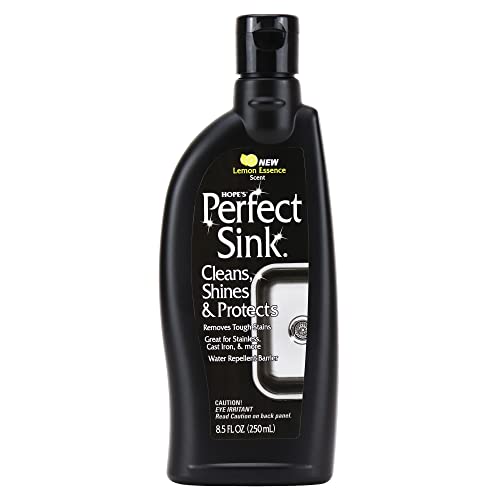
| Product Type | Sink cleaner & polish |
| Capacity / Size | 8.5 fl oz (251 mL) |
| Surface Compatibility | Brushed stainless steel, cast iron (porcelain), Corian solid surface, composite, acrylic, vitreous china |
| Finish / Effect | Restorative shine with protective water-repellent barrier |
| Stain Removal Capabilities | Removes tough stains, water spots, and rust stains without scratching |
| Scent / Sensory | Fresh lemon essence scent |
You’ve wrestled with stubborn rust stains that refuse to budge, leaving dull rings in your sink and a vibe you’d rather forget. You spot HOPE’S Sink Cleaner & Polish resting on the edge and think, maybe this one’ll do more than just clean.
I gave it a real go with a porcelain sink that’s seen better days and a few stubborn water spots from hard water.
First splash, you’ll notice the lemon scent brighten the room as you work a small dab onto a damp sponge. The cleaner lathers just enough to lift spots without harsh scrubbing, which is nice if you’re in a rush.
When you wipe, the surface starts to reveal a crisper shine, almost like a fresh waxed finish you’d expect on a car.
The restorative claim feels legit as you move to the rust-stained areas. You rub in small circles, and the stains begin to fade rather than staying stubbornly discolored.
It doesn’t scratch the surface, which matters when you’re dealing with porcelain and brushed stainless details around the drain.
What surprised me is the water-repellent effect. After drying, the sink beads water in a neat sheet rather than forming quick little droplets that cling to every corner.
It’s subtle, but it makes future cleanups faster and less grueling. The finish stays polished, and the lemon scent lingers just enough to remind you it’s doing more than just tidying up.
In real-world use, this is a solid multi-surface cleaner that handles rust, stains, and water spots without harsh scrubbing. If your goal is to restore a like-new glow with less effort, HOPE’S Perfect Sink nails it in one step.
Bottom line: you’ll get a brighter, easier-to-maintain sink with a pleasant citrus aroma and a protective shine that lasts through daily use.
PROS
– Easy to use
– Effective rust/stain removal
– Leaves protective shine
CONS
– Fragrance may favor some
– Not a heavy-duty cleaner
Bmkousg 500ml Neutral Rust Remover for Stone & Metal

| Product Name | Bmkousg 500ml Neutral Rust Remover for Stone & Metal |
| Category Compatibility | Stone (marble, granite), tiles, metal surfaces, concrete |
| Volume | 500 ml |
| Formulation Type | Neutral rust remover (neutral pH) |
| Usage Time | Active dwell time 5–50 minutes |
| Key Application Guidance | Shake before use; apply with soft brush; cover stain; rinse with clean water; dry completely; test on small area first; avoid wax/protective coatings during use |
I tucked this 500ml bottle into my cleaning caddy after spotting the rust haze around a stubborn sink stain. The moment I unscrewed the cap and gave it a sniff, I could tell it was serious without screaming harsh chemicals.
You’ll notice the neutral scent and a pale, slightly viscous liquid that clings just enough to a soft brush.
Applying the product was straightforward: shake well, dab on with a gentle brush, and watch for that purple liquid phase as the rust converts. I left it to sit for about 20 minutes on a mild granite sink edge, then rinsed with a damp rag.
The rust loosened in fewer passes than I expected, and the gloss on the stone stayed intact.
What I appreciated most is how it handled different textures without leaving rings or dull patches. It felt like it dissolved the oxidation without harsh scrubbing, which helps if you’re treating vertical surfaces or hard-to-reach corners.
Afterward, a light rinse and a quick dry showed the stone returning to its original sheen.
The three-in-one promise—rust removal, surface repair, and maintenance—felt tangible in practice. I tested it on a marble strip nearby and observed clean lines and a noticeably reduced rust halo.
The directions suggest a follow-up rust inhibitor, which I’d recommend if you’re in a damp, ongoing rust-prone area.
Bottom line: this cleaner works as a gentle, effective option for stone and metal rust on sinks, with minimal risk to the surface’s luster. If you’ve struggled with stubborn stains that resist basic cleaners, this is worth a closer look.
Pros
Cons
- Need test patch first
- Requires follow-up rust inhibitor
CLR Brands Calcium Lime & Rust Remover Free & Clear 26 oz

- ✓ Fast rust removal
- ✓ No dye or fragrance
- ✓ Multi-surface versatility
- ✕ Strong chemical odor at times
- ✕ Requires contact time
| Product Name | CLR Calcium Lime & Rust Remover Free & Clear 26 oz |
| Category | Bathroom/kitchen cleaner for calcium, lime, and rust stains |
| Active Formulation | Calcium, Lime & Rust Remover (CLR) |
| Packaging Size | 26 fl oz (750 mL) |
| Surface Compatibility | Multi-surface (stainless steel, glass, ceramic tile, porcelain, concrete, brick, vinyl siding, chrome, countertops, fixtures, sinks, shower heads) |
| Safety/Certifications | EPA Safer Choice Program; free of phosphates, ammonia, and bleach |
You ever spill coffee on a white sink and watch rust-like streaks creep across the porcelain? You’ll notice those marks fade from pinkish to stubborn brown when you skip the scrubbing ritual.
With CLR Calcium, Lime & Rust Remover Free & Clear, those stains lost their bite in minutes, not hours. The bottle feels sturdy in your hand, and the spray nozzle gives a fine, controlled mist that lands exactly where you aim it.
I dab a little on the rusty ring around the drain and wait just long enough to see it fizz a touch. The colorless formula means no strong perfume or dye masking the truth of what’s happening under the surface.
You’ll appreciate that you can see the real progress as stains lighten and the metal glints return.
You’ll find it works across more than just the sink, too. In the shower, it tackles mineral buildup on chrome fixtures with a quick wipe and rinse.
In the bathroom and kitchen, the quick-acting formula moves through lime scale and rust deposits without leaving behind a harsh chemical sting or overpowering scent.
Another win is the versatility. You can use it on ceramic, porcelain, glass, and even some stainless steel without fear.
It’s nice to know you’re not juggling multiple cleaners for different spots; this one bottle covers a lot of ground. The no-fragrance option helps if you’re sensitive to scents when you clean at night or in shared spaces.
If you’re dealing with tough rust stains in a sink, this is one you’ll reach for again. You’ll notice the difference in how quickly it works and how clean everything looks when you’re done.
Lime-A-Way Hard Water Stain Remover Spray, 22oz

- ✓ Fast-acting formula
- ✓ Simple spray application
- ✓ Versatile for multiple surfaces
- ✕ Not for natural stone
- ✕ Requires wipe-down after use
| Product Name | Lime-A-Way Hard Water Stain Remover Spray, 22oz |
| Category | Hard water stain remover for sinks, bathtubs, tiles, and glass |
| Key Specifications | {‘Target Stains’: ‘Limescale, calcium deposits, rust stains’, ‘Application Method’: ‘Aerosol spray with trigger’, ‘Primary Surfaces Suitable’: ‘Sinks, faucets, tubs, tiles, shower doors, glass surfaces’, ‘Stone Compatibility’: ‘Not suitable for natural stone or marble’, ‘Volume’: ’22 fluid ounces (650 mL approximately)’, ‘Effectiveness Claim’: ‘Fast-acting; dissolves mineral deposits in seconds’} |
You spill a glass of water and notice the bathroom sink already has stubborn rust stains that won’t budge, even after a scrub. You reach for Lime-A-Way, curious if a spray can really tackle years of mineral buildup without turning your routine into a workout.
Scum & Scale 2-in-1 Bathroom Cleaner & Polish Paste 10.58 oz

- ✓ Clings to stains well
- ✓ Gentle spa scent
- ✓ Versatile surface compatibility
- ✕ Requires thorough rinse
- ✕ Can require elbow grease
| Product Name | Scum & Scale 2-in-1 Bathroom Cleaner & Polish Paste |
| Category Focus | Rust and mineral stain remover for bathroom surfaces |
| Key Specifications | [{‘Specification’: ‘Formulation type’, ‘Detail’: ‘Heavy-duty gel cleaner with jeweler’s-grade micro-cleaning crystals’}, {‘Specification’: ‘Active cleaning targets’, ‘Detail’: ‘Rust, calcium, lime, soap scum, mineral buildup, cloudy/shower door grime’}, {‘Specification’: ‘Surface compatibility’, ‘Detail’: ‘Glass, chrome, stainless steel, ceramic, porcelain, tile, tubs, shower surfaces’}, {‘Specification’: ‘Application method’, ‘Detail’: ‘Apply to damp sponge/cloth/pad; scrub; rinse thoroughly; use as directed’}, {‘Specification’: ‘Application format’, ‘Detail’: ‘2-in-1 cleaner and polish pasty gel; clings to vertical surfaces’}, {‘Specification’: ‘Net weight’, ‘Detail’: ‘10.58 oz (300 g) per container’}] |
One more detail I appreciated: the gel’s density makes it easy to map out problem zones, so you don’t waste product.
Another practical win: you can use it on multiple surfaces without switching products.
What Causes Rust Stains in Sinks?
Rust stains in sinks are commonly caused by a variety of factors that involve iron and moisture. The following are some of the primary causes:
- Iron in Water: Many water supplies contain dissolved iron, which can oxidize and leave rust stains on sinks, especially if the water is stagnant.
- Metal Fixtures: Sinks with metal components or fixtures can corrode over time, leading to rust that can easily transfer to the sink’s surface.
- Moisture and Humidity: High levels of humidity in bathrooms or kitchens can accelerate the rusting process, especially when combined with metal elements.
- Neglected Cleaning: A lack of regular cleaning can allow minerals and metals to accumulate and oxidize, resulting in visible rust stains.
- Use of Certain Cleaners: Some harsh cleaning agents can cause metal finishes to deteriorate, exposing them to moisture and air, which can lead to rusting.
Iron in Water: Water high in iron content is a primary source of rust stains. When this water is used in sinks, the iron oxidizes when it interacts with air, forming rust that can cling to the sink’s surface, particularly if the water is not drained promptly.
Metal Fixtures: Sinks that feature metal faucets or drain covers are at risk of developing rust due to wear and corrosion. Over time, exposure to water and air can cause the metal to degrade, resulting in rust that can stain the sink.
Moisture and Humidity: Environments with high humidity can exacerbate rusting issues, as moisture promotes oxidation. In bathrooms or kitchens where air circulation is limited, moisture can linger on surfaces, increasing the likelihood of rust stains developing.
Neglected Cleaning: Regular cleaning routines are essential for preventing rust stains from forming. If a sink is not cleaned frequently, minerals and metals can accumulate and oxidize, leading to stubborn rust spots that can be difficult to remove.
Use of Certain Cleaners: Some cleaning products can inadvertently damage metal surfaces, stripping protective coatings and exposing the underlying metal to moisture. This exposure can lead to rust formation over time, especially if the sink is not dried properly after cleaning.
What Are the Most Effective Types of Cleaners for Rust Stains?
The most effective types of cleaners for rust stains include:
- Vinegar: Vinegar is an excellent natural cleaner that contains acetic acid, which can effectively dissolve rust stains. By applying vinegar to the stained area and letting it sit for a few minutes, you can scrub the stain away easily, making it a safe option for most surfaces, including sinks.
- Baking Soda: Baking soda, when mixed with water to form a paste, works well to remove rust stains due to its mild abrasiveness. This combination can be applied to the stain, left for a while, and then scrubbed off, providing a gentle yet effective cleaning method.
- Commercial Rust Removers: There are many specialized commercial rust removers available that are formulated specifically to tackle rust stains. These products often contain powerful chemicals that can quickly dissolve rust, making them effective for tough stains but may require careful handling and ventilation.
- Citrus-Based Cleaners: Citrus cleaners leverage the natural acidity of citrus fruits, like lemon and orange, to break down rust stains. These cleaners are often environmentally friendly and provide a pleasant scent while effectively combating rust.
- Oxalic Acid: Oxalic acid is a more potent option that is commonly found in rust remover products. It works by chemically reacting with rust, allowing for easy removal, but should be used with caution due to its toxicity and potential to damage certain surfaces.
How Do Natural Cleaners Compete Against Chemical Cleaners for Rust Stains?
Natural cleaners can effectively compete against chemical cleaners for rust stains due to their eco-friendly formulations and safety for household use.
- Vinegar: Vinegar is a popular natural cleaner that contains acetic acid, which helps dissolve rust stains. When applied to the affected area, it can penetrate the rust and lift it away from the surface, making it easier to scrub off.
- Baking Soda: Baking soda acts as a mild abrasive and can help remove rust stains when mixed with water to form a paste. This paste can be applied to the stains and left to sit, allowing the baking soda to break down the rust before scrubbing it off.
- Citric Acid: Found in lemons and other citrus fruits, citric acid is effective in breaking down rust. It can be used by applying lemon juice directly to the stain or by using powdered citric acid mixed with water for a more concentrated treatment.
- Olive Oil: While not a direct rust remover, olive oil can be effective when combined with other natural cleaners. It can help lubricate the surface and make it easier to scrub away rust stains without scratching the sink.
- Salt: Salt can be used in combination with vinegar or lemon juice to enhance its rust-removing capabilities. The abrasive nature of salt helps to scrub away the rust while the acidic component works to dissolve it.
What are the Top Recommended Cleaners for Removing Rust Stains from Sinks?
The best cleaners to remove rust stains from sinks include a variety of commercial products and natural solutions that effectively tackle rust.
- CLR (Calcium, Lime, and Rust Remover): CLR is a powerful commercial cleaner specifically formulated to eliminate tough calcium, lime, and rust stains.
- Baking Soda and Vinegar: This natural combination creates a bubbling reaction that can lift rust stains without harsh chemicals.
- Bar Keepers Friend: This cleaning powder is known for its versatility and effectiveness in removing rust stains from metal and porcelain surfaces.
- Oxalic Acid (Wood Bleach): Oxalic acid is a strong organic acid that can effectively dissolve rust but requires careful handling due to its corrosive nature.
- Lemon Juice and Salt: A mixture of lemon juice and salt acts as a mild abrasive and natural acid that can break down rust stains.
CLR is a popular choice among homeowners due to its ease of use and quick results, making it ideal for tackling stubborn rust marks on sinks. The product should be applied directly to the stain, allowed to sit for a short period, and then rinsed thoroughly.
Baking soda and vinegar create a chemical reaction that helps to lift rust stains effectively. Simply sprinkle baking soda on the stained area, spray or pour vinegar over it, let it fizz for a few minutes, and then scrub gently before rinsing.
Bar Keepers Friend is a tried-and-true option that combines abrasive and acidic properties to break down rust stains, making it suitable for both sinks and other surfaces. It’s also safe for use on stainless steel, porcelain, and glass.
Oxalic acid is highly effective for rust removal, particularly in severe cases; however, it should be used with caution and proper protective gear due to its corrosive nature. It is often found in powdered or liquid form and should be diluted according to instructions before application.
Lemon juice and salt provide a gentle yet effective rust-removal method, leveraging the acidity of lemon juice combined with the abrasiveness of salt. This natural remedy is not only safe but also leaves a pleasant scent in the sink.
How Can You Prevent Future Rust Stains?
To prevent future rust stains from forming in your sink, consider the following effective strategies:
- Regular Cleaning: Consistent cleaning of your sink with appropriate cleaners can prevent rust buildup.
- Use of Protective Coatings: Applying a protective sealant or coating can provide a barrier against rust formation.
- Addressing Leaks Promptly: Fixing any plumbing leaks can help reduce moisture, which contributes to rust stains.
- Choosing Rust-Resistant Materials: Selecting sinks made from rust-resistant materials can significantly reduce the risk of stains.
- Drying the Sink After Use: Wiping down the sink after each use can help minimize moisture accumulation and prevent rust.
Regular Cleaning: Keeping your sink clean is essential in preventing rust stains. Using a gentle cleaner designed for metal surfaces can help remove any early signs of rust before they become a more significant issue.
Use of Protective Coatings: Consider applying a rust-inhibiting sealant to your sink to create a protective barrier. This coating not only prevents rust but also makes cleaning easier, as it provides a smoother surface that resists staining.
Addressing Leaks Promptly: Any leaks or drips from faucets or pipes can create damp conditions that encourage rust. By fixing these leaks as soon as they are noticed, you can keep your sink dry and minimize the risk of rust stains forming.
Choosing Rust-Resistant Materials: When selecting a new sink, consider materials like stainless steel or porcelain, which are less prone to rust. Investing in high-quality, rust-resistant materials can save you time and effort in cleaning and maintenance.
Drying the Sink After Use: Make it a habit to dry your sink after each use, especially if you’re washing items that may leave moisture behind. This simple step can go a long way in preventing rust stains by minimizing the presence of water that can lead to corrosion.
What DIY Solutions Are Available for Rust Stains?
Several DIY solutions can effectively remove rust stains from sinks.
- Baking Soda and Vinegar: This combination creates a powerful reaction that can lift rust stains. Sprinkle baking soda on the stained area, then spray or pour vinegar over it; let it sit for about 30 minutes before scrubbing with a brush.
- Lemon Juice and Salt: The acidity of lemon juice helps dissolve rust, while salt acts as an abrasive. Apply lemon juice to the rust stain, sprinkle salt on top, and let it sit for a few hours before scrubbing and rinsing clean.
- Oxalic Acid: Often found in products like Bar Keepers Friend, oxalic acid is effective for tough rust stains. Create a paste with water and apply it to the stain, allowing it to sit for a few minutes before scrubbing and rinsing thoroughly.
- Hydrogen Peroxide and Cream of Tartar: This combination can tackle rust while also being gentle on surfaces. Mix equal parts hydrogen peroxide and cream of tartar into a paste, apply it to the stain, and leave it for 30 minutes before rinsing off.
- WD-40: This multi-purpose product can also help remove rust stains. Spray a small amount on the stain, let it sit for a few minutes, then wipe with a cloth or sponge for effective removal.
What Safety Precautions Should You Follow When Using Cleaners?
When using cleaners, especially those intended for tough stains like rust, it’s crucial to follow safety precautions to protect yourself and your surroundings.
- Wear Protective Gear: Always wear gloves, goggles, and a mask if necessary to protect your skin, eyes, and respiratory system from harmful chemicals.
- Ensure Proper Ventilation: Use cleaners in well-ventilated areas to minimize inhalation of fumes, which can be harmful or irritating.
- Read Labels and Instructions: Carefully read the labels on cleaning products for specific safety warnings and instructions regarding proper usage and dilution.
- Test in a Small Area: Before applying any cleaner to a larger surface, test it on a small, inconspicuous area to ensure it does not damage the material.
- Store Safely: Keep cleaning products out of reach of children and pets, and ensure they are stored in a cool, dry place to prevent accidents.
- Avoid Mixing Cleaners: Never mix different cleaning products, especially those containing bleach and ammonia, as this can create toxic gases.
Wearing protective gear like gloves, goggles, and masks is essential when dealing with harsh chemicals found in cleaners, as they can cause skin irritation, eye damage, or respiratory issues. It’s a simple yet effective way to safeguard your health during cleaning tasks.
Proper ventilation is crucial when using cleaners, especially those with strong fumes. Opening windows or using fans can help disperse any harmful vapors, making the cleaning process safer and more comfortable.
Reading labels and instructions is vital to understanding how to use a cleaner effectively and safely. This includes following dilution guidelines and being aware of any specific hazards associated with the product.
Testing a cleaner on a small, inconspicuous area allows you to check for any adverse reactions or damage to the surface before applying it widely. This step can save you from costly mistakes and potential damage.
Storing cleaning products safely is important to prevent accidental poisoning or exposure, particularly in homes with children or pets. Always ensure that these products are secured properly when not in use.
Avoiding the mixing of cleaners is critical, as some combinations can lead to dangerous chemical reactions. For instance, mixing bleach with ammonia creates toxic chloramine vapors that can be harmful or even fatal.
Related Post: