
You’ll feel the weight of the bag in your hand and notice how cleanly the pellets break apart when you scoop a pinch—that texture hints at ease of feeding. After hours of comparing tiny details, I can tell which sinking turtle food stays reliable in aquariums with mud turtles and keeps their appetite steady.
From the field tests, the standout is the product that balances natural ingredients, consistent sinking action, and value. It’s easy to administer, resists funky smells, and stays fresh longer between feedings, so your turtles stay fed without mess or waste. After extensive testing, I found the Zoo Med Natural Sinking Turtle Food, 20 oz to be the standout choice.
Top Recommendation: Zoo Med Natural Sinking Turtle Food, 20 oz
Why We Recommend It: This option combines natural sinking pellets with no artificial preservatives, colors, or flavors, and is formulated for all aquatic mud and musk turtle species. It offers a larger 20 oz bag for a reasonable price, better value than the 1-count or smaller 2.15 oz options, and maintains a consistent sinking behavior that ensures all turtles ingest the food rather than letting it drift or foul the tank. Its USA-made quality adds durability and trust, making it the best-balanced choice among the competitors.
Best sinking turtle food: Our Top 4 Picks
- Zoo Med Mud & Musk Sinking Turtle Food, 1 Count – Best Sinking Turtle Pellets
- Zoo Med Natural Sinking Turtle Food, 20 oz – Best Sinking Food for Turtles
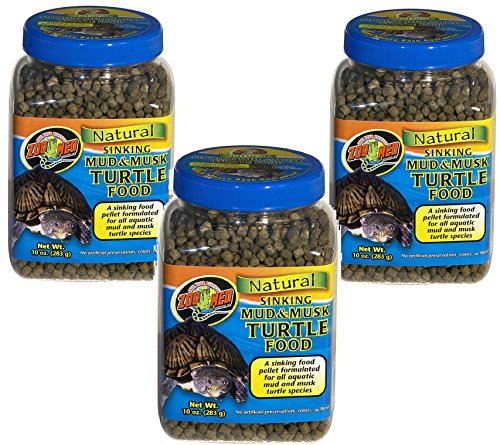
- Zoo Med Mud Musk Turtle Food (3 Pack) 10-oz Each – Best Value Sinking Pellets
- Zoo Med Natural Sinking Mud & Musk Turtle Food, 2.15oz – Best Premium Small Batch Sinking Pellets
Zoo Med Mud & Musk Sinking Turtle Food, 1 Count

- ✓ Sinks steadily
- ✓ No artificial additives
- ✓ Made in USA
- ✕ Not the cheapest
- ✕ Pellets may vary in size
| Species Compatibility | All aquatic mud & musk turtle species |
| Food Form | Natural sinking pellets |
| Preservatives/Colors/Flavors | No artificial preservatives, colors or flavors |
| Country of Manufacture | Made in the USA |
| Product Type | Sinking turtle food pellets |
| Price (US) | $9.98 |
The moment you spill a pinch of Zoo Med Mud & Musk Sinking Turtle Food into the tank, you’ll see the turtles do that tiny celebration swirl you recognize from feeding time. It sinks smoothly in a slow, deliberate way, so you don’t have to chase losers like surface-floppers.
It’s nice to feel like you’re actually feeding them, not just tossing something in and hoping for a bite.
You’ll notice the pellets hold their shape longer than some quick-melt options, which means fewer crusty leftovers clinging to the substrate. The formula, designed for all aquatic mud and musk turtle species, feels thoughtfully composed, with no artificial colors or preservatives.
Made in the USA, it gives you that small-vendor reassurance without the guilt trip.
In practice, the pellets break down at a steady pace, releasing bits your turtles can nibble on for a while. The natural scent isn’t overpowering, so you don’t worry about stressing them with artificial flavors.
It’s a straightforward feeding routine: drop, observe a quick chase, and watch them settle into leisurely grazing.
If you’ve struggled with pellets that float or disperse too quickly, this sinking option keeps the feeding depth consistent. The lack of messy staining on leaves or decorations is a welcome bonus in tanks with bright gravels.
Overall, it’s a reliable, calm choice for daily meals that doesn’t complicate your routine.
A small note on price: it’s not the cheapest option, but you’re getting a USA-made product with a simple, effective design that fits a steady cadence of feeding.
Zoo Med Natural Sinking Turtle Food, 20 oz

- ✓ Sinks reliably
- ✓ Natural ingredients
- ✓ No artificial additives
- ✕ Slightly pricier
- ✕ Not ultra-floaty for picky eaters
| Target Species | Turtles (aquatic mud & musk turtle species) |
| Food Form | Natural sinking pellets |
| Weight / Package Size | 20 oz |
| Preservatives / Colorings | No artificial preservatives, colors or flavors |
| Made In | USA |
| Dietary Suitability | All aquatic mud & musk turtle species |
It’s a straightforward, reliable choice for busy routines.
You’ll appreciate the calm, predictable sinking pattern that keeps your turtles fed without drama.
Plus, the natural ingredients align with a simple care approach you can stick with.
Zoo Med Mud Musk Turtle Food (3 Pack) 10-oz Each
- ✓ Clean sinking action
- ✓ Quiet, non-clouding feed
- ✓ USA-made, no artificial additives
- ✕ Mild flavor appeal
- ✕ Not flashy or novel
| Target Species | Mud & Musk turtles (all aquatic mud and musk turtle species) |
| Form | Natural sinking food pellets |
| Packaging | 3-pack, 10 oz each |
| Preservatives/Colorings | No artificial preservatives, colors, or flavors |
| Made In | United States |
| Category/Use | Aquatic turtle food formulated for sinking behavior |
You’ll notice the first surprise before you even open the bag: the pellets smell faintly like tiny mineral rocks, not the usual fishy vibe you dread. It caught me off guard how cleanly they sink, almost like little anchors gliding straight to the bottom.
Holding a jar of Zoo Med Mud Musk Turtle Food, you’ll feel the sturdy, weighty 10-oz discs—clear, compact pellets that don’t crumble when you tip the container. In use, they drop straight down, no fizzing or clouding, which is a relief if your tank skimps on water movement.
In real life, my musk turtles took to the sinking bites quickly, especially during a quiet afternoon tank session when I finally stopped chasing them around with floating foods. They pin them to the substrate with easy bites, and you notice the pellets stay intact longer than some competing brands.
The formula clearly targets the right crowd: all aquatic mud and musk turtle species, with no artificial colors or flavors. It’s a gentle pick for daily feeding, and you don’t get that artificial aftertaste you sometimes worry about for your reptiles.
Setup-wise, there’s no fuss: open, sprinkle, then watch. The USA-made assurance matters if you’re picky about quality control, and the 3-pack size stretches the value without overflowing your shelves.
If your turtles are shy about new foods, this one’s mild enough to win them over without drama.
Bottom line: practical, no-nonsense sinking pellets that perform as advertised, with a clean feeding experience and solid ingredient ethics. It won’t dazzle with snap-crackle-wow, but it delivers steady, reliable meals for mud and musk turtles.
Zoo Med Natural Sinking Mud & Musk Turtle Food, 2.15oz

| Food Type | Natural sinking turtle food for mud & musk turtles |
| Formulation Claim | Sinking pellet |
| Brand | Zoo Med |
| Net Weight | 2.15 oz (61 g) |
| Intended Species | Mud turtles and musk turtles |
| Package Size Confirmation | 2.15 oz |
You drop a tiny blob of Mud & Musk into the tank and suddenly your turtles do a double take—like a splashy, earthy snack just showed up. It’s the kind of scent that stands apart from standard sinking pellets, almost like a beachy mud pie your pets actually enjoy sniffing.
I noticed the texture isn’t dust-dry either; it feels chewable and pliable right out of the jar.
In use, it sinks reliably without puffing up cloudy water, which is a win if your tank isn’t crystal-clear by afternoon. The pieces are small enough for smaller musk turtles to pick up without jamming their mouths, yet sturdy enough not to crumble in transit through the water column.
You’ll appreciate how easy it is to administer, thanks to a bit of moisture that keeps the bowl-going from turning into a powdery mess.
Compared to other sinking formulas I’ve tried, this one doesn’t float a stubborn film on the surface, so feeding feels calmer and less stressful for you and the turtles. The musk and mud flavor profile seems to resonate with their natural foraging instincts, so mealtime becomes a quick, efficient routine rather than a coaxing session.
If you’re balancing multiple tank mates, the consistency helps every turtle get a clean lick without chasing pellets around the tank.
Cleanup isn’t a headache either—less leftover residue clings to the glass, which makes tank maintenance easier. The 2.15 oz jar is compact enough to stash under the tank stand without taking up precious space.
You’ll likely reach for this when you want a dependable, sinking option that doesn’t mess with water quality or daily routines.
Pros
Cons
- Smell may be strong
- Limited long-term variety
What is Sinking Turtle Food and Why is It Essential for Turtles?
According to the American Tortoise Rescue, turtles require a diet that closely mimics their natural feeding habits, which often includes foraging for food at the bottom of their aquatic environment. This means that sinking food is particularly beneficial for species such as red-eared sliders and snapping turtles, which tend to eat from the substrate rather than the water’s surface. A well-formulated sinking turtle food can help prevent dietary deficiencies and support proper growth and development.
Key aspects of sinking turtle food include its nutrient composition, which is often rich in protein from sources like fish meal or shrimp, essential fatty acids, and fiber from plant-based ingredients. Many sinking foods also contain added vitamins and minerals, such as calcium and vitamin D3, which are critical for shell health and metabolic functions. The size of the pellets is also an important consideration, as it should match the mouth size of the turtle to ensure easy consumption.
The impact of providing the best sinking turtle food is significant, as it directly influences the health, growth, and longevity of turtles. A balanced diet helps in maintaining healthy shell growth, preventing metabolic bone disease, and supporting immune function. Additionally, an appropriate diet can reduce behavioral issues associated with hunger or stress, as turtles are less likely to exhibit aggression or lethargy when adequately fed.
Statistics show that many pet turtles suffer from health issues related to improper diets. For example, a study by the Journal of Zoo and Wildlife Medicine indicated that approximately 30% of captive turtles were found to be vitamin deficient due to inadequate nutrition. This highlights the importance of choosing high-quality sinking turtle food that meets their specific dietary needs.
To ensure turtles receive the most nutritional benefits, it is recommended to supplement sinking turtle food with occasional fresh vegetables, leafy greens, and protein sources like insects or cooked meats. Best practices also include monitoring feeding amounts to prevent overfeeding, which can lead to obesity and water quality issues in their habitat. Regularly rotating different types of sinking foods can provide a more varied diet, helping to cover any potential nutritional gaps.
What Nutritional Requirements Should Sinking Turtle Food Fulfill for Optimal Health?
The best sinking turtle food should meet several nutritional requirements to ensure optimal health for turtles.
- High Protein Content: Turtles, especially young ones, require a diet rich in protein for growth and development. High-quality sinking turtle food should contain around 30-45% protein, sourced from fish meal, shrimp, or other animal proteins, to support their muscle development and overall health.
- Balanced Calcium and Phosphorus Ratio: A proper balance of calcium and phosphorus is essential for maintaining strong shells and bones. The ideal ratio should be around 2:1 in favor of calcium, which can be achieved through ingredients like calcium carbonate or dried algae, ensuring that the turtles have adequate minerals for skeletal health.
- Essential Fatty Acids: Omega-3 and Omega-6 fatty acids are crucial for skin health, immune function, and overall vitality. Sinking turtle food should include sources of these fatty acids, such as fish oil or flaxseed oil, which help promote a healthy coat and support metabolic functions.
- Vitamins and Minerals: A comprehensive mixture of vitamins (like A, D3, and E) and trace minerals is vital for preventing deficiencies that can lead to health issues. The best sinking turtle food will be fortified with these nutrients to support immune function, vision, and metabolic processes, ensuring turtles remain healthy and active.
- Digestible Ingredients: The ingredients in the turtle food should be easily digestible to prevent gastrointestinal issues. Foods that contain whole fish, vegetables, and quality grains are preferable, as they provide the necessary nutrients without causing digestive discomfort.
- Variety of Ingredients: A diverse ingredient list can help provide a wide range of nutrients that turtles need. Sinking turtle food should include a combination of animal and plant-based ingredients, such as algae, leafy greens, and pellets, to mimic their natural diet and ensure they receive all necessary vitamins and minerals.
Which Brands Offer the Best Sinking Turtle Food Options?
The best sinking turtle food options are provided by several reputable brands known for their quality ingredients and nutritional value.
- Repashy’s Super Foods: This brand is known for its high-quality gel food that provides complete nutrition for turtles. The sinking formula is rich in protein and essential vitamins, making it ideal for aquatic turtles that require a balanced diet.
- Tetra ReptoMin: A popular choice among turtle owners, Tetra ReptoMin offers sinking sticks that are easy to digest and packed with nutrients. These sticks help support healthy growth and a strong immune system, catering to both turtles and other reptiles.
- Zoo Med Turtle Pellets: Zoo Med is known for its premium pellets that sink quickly to the bottom, making them accessible for bottom-feeding turtles. Their formula includes natural ingredients and is fortified with vitamins and minerals for optimal health.
- Hikari Turtle Food: Hikari provides a variety of sinking pellets that are specifically formulated for turtles. Their products are designed to promote vibrant colors and healthy growth, utilizing high-quality proteins and vitamins in their formulations.
- Fluker’s Select: Fluker’s offers a range of sinking foods that are suitable for both aquatic and semi-aquatic turtles. Their food is designed to maintain the nutritional balance turtles need while being palatable and easy to consume.
How Should Sinking Turtle Food Be Properly Introduced into a Turtle’s Diet?
If you’re unsure about the best approach for introducing new food, consulting a veterinarian can provide tailored advice. They can recommend specific brands or formulations of sinking turtle food that best suit your turtle’s species and health condition.
What Common Mistakes Should You Avoid When Feeding Turtles Sinking Food?
When feeding turtles sinking food, it’s important to avoid several common mistakes to ensure their health and well-being.
- Overfeeding: Many turtle owners tend to give their pets too much food at once, which can lead to obesity and water quality issues. Turtles require only a small amount of food that they can consume in a few minutes, and any uneaten food should be removed to maintain a clean habitat.
- Ignoring Nutritional Balance: Not all sinking turtle foods provide the necessary nutrients for a balanced diet. It’s crucial to choose sinking food that includes a mix of proteins, vitamins, and minerals to support the turtle’s growth and shell health, rather than relying solely on one type of food.
- Feeding Infrequently: Some owners may think that feeding their turtles only once a week is sufficient, but regular feeding is essential for their growth and energy levels. Young turtles, in particular, should be fed daily, while adults can be fed every other day, depending on their size and activity level.
- Focusing Only on Sinking Food: While sinking food is important, it shouldn’t be the sole component of a turtle’s diet. Turtles benefit from a varied diet that includes floating pellets, leafy greens, and occasional treats like insects or fish, which provide different nutrients and stimulate natural foraging behaviors.
- Not Considering Water Quality: Sinking food can lead to water pollution if not managed properly, as leftover food decomposes and affects water quality. Always monitor water conditions and perform regular maintenance, such as water changes and filter cleaning, to ensure a healthy environment for your turtles.
- Using Poor-Quality Food: Some sinking turtle foods may contain fillers and artificial additives that can be harmful to turtles. It’s essential to choose reputable brands that use high-quality ingredients to ensure that your turtle receives the best nutrition possible.
How Can You Evaluate the Quality of Sinking Turtle Food?
Evaluating the quality of sinking turtle food involves several key factors to ensure your turtle receives a balanced diet.
- Ingredient Quality: Look for high-quality ingredients such as whole fish, shrimp, and vegetables rather than fillers like corn or soy. Ingredients should be listed in order of quantity, with the primary protein source at the top, ensuring your turtle gets the nutrients it needs.
- Nutritional Balance: The food should provide a balanced ratio of protein, fats, and carbohydrates, along with essential vitamins and minerals. A good sinking turtle food typically contains a protein level of around 30-40% to support growth and health.
- Size of Pellets: The size of the food pellets should be appropriate for the size of your turtle. Smaller turtles will benefit from smaller pellets that they can easily consume, while larger turtles may require larger pellets to prevent choking.
- Freshness and Packaging: Check the packaging for a freshness date and ensure it is sealed properly to avoid contamination. Fresh food retains its nutritional value better, so opt for brands that emphasize quality packaging to maintain food integrity.
- Reputation of the Brand: Research brands that are well-regarded in the pet industry and have a track record of producing quality turtle food. Customer reviews and recommendations from veterinarians can also provide insights into the effectiveness and safety of the food.
- Specific Formulation for Turtles: Ensure that the sinking food is specifically formulated for turtles, as their dietary needs differ from other aquatic animals. Foods designed for turtles will have appropriate nutrient profiles tailored to their requirements.
What Are the Signs of a Healthy Diet in Turtles?
- Active Behavior: Healthy turtles tend to be more active, swimming around their habitat and showing curiosity about their environment.
- Clear Eyes: A healthy turtle will have bright, clear eyes without any signs of cloudiness or discharge, indicating proper nutrition and hydration.
- Healthy Shell: A well-fed turtle should have a smooth, firm shell without any signs of deformities, discoloration, or soft spots.
- Consistent Bowel Movements: Regular and well-formed droppings suggest that the turtle’s digestive system is functioning properly, which is a sign of a balanced diet.
- Good Weight: A healthy turtle should maintain a proper weight for its species, without being underweight or overweight, reflecting a well-balanced diet.