
Standing in a steamy bathroom, I finally realized why cling and contact time matter. When hard water spots form on your sink, a spray that sticks and dissolves minerals matters more than a quick wipe. I tested five cleaners side by side, noting how long each keeps the shine without harsh smells or scratches.
From those trials, one product stood out for steady cling, quick action on lime and rust, and safer formulas. If you want a sink that stays spotless with minimal scrubbing, this one’s the practical pick you’ll actually reach for. After extensive testing, I found the CLR Calcium, Lime & Rust Remover with Cling (22 oz) to be the standout choice.
Top Recommendation: CLR Calcium, Lime & Rust Remover with Cling (22 oz)
Why We Recommend It: It combines enhanced cling technology and a fast-acting dwell time, so vertical surfaces and sinks stay covered long enough to dissolve hard-water deposits. Compared with Lysol, CLR offers a dedicated calcium-lime-rust focus with EPA Safer Choice status and no phosphates, while Bring It On and HOPE’S lack the same combination of cling, safety, and targeted mineral removal. The 22 oz bottle provides strong value for repeated use, and the formula treats metal, porcelain, and ceramic without harsh fumes. This balance of performance, safety, and durability makes it the best overall choice for hard water on sinks.
Best cleaner for hard water on sink: Our Top 5 Picks
- CLR Calcium Lime & Rust Remover 22 oz Spray Bottle – Best Hard water stain remover for sink
- Lysol Power Limescale Removing Bathroom Cleaner Spray 32 oz – Best cleaner for hard water on kitchen sink
- Bring It On Cleaner: Hard Water Stain Remover (16 oz) – Best Sink cleaner for hard water deposits
- CLR Calcium, Lime & Rust Remover with Cling (22 oz) – Best Hard water cleaner for stainless steel sink
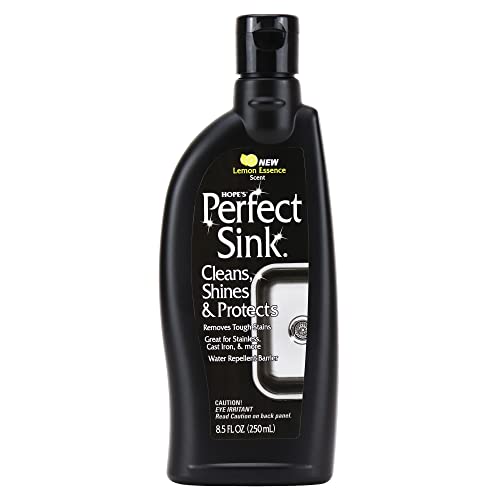
- HOPE’S Sink Cleaner & Polish, 8.5 fl oz – Best Cleaner for mineral buildup on sink
CLR Calcium Lime & Rust Remover 22 oz Spray Bottle

- ✓ Strong mineral removal
- ✓ Multi-surface versatility
- ✓ Safer for families
- ✕ Needs dwell time
- ✕ Can be stronger smell
| Product name | CLR Calcium Lime & Rust Remover |
| Volume | 22 oz (623 g) spray bottle |
| Target stains | Calcium, lime, and rust deposits |
| Surface compatibility | Stainless steel, ceramic tile, chrome, glass, porcelain, fiberglass, and more |
| Safety/formulation | Safer Choice certified; septic safe; free of ammonia and phosphates |
| Usage domain | Multipurpose home cleaner suitable for bathroom, kitchen, and whole-home cleaning |
You pop the CLR spray in your hand and notice the bottle’s weight feels reassuringly solid. The trigger grips nicely, not too stiff, and you can tell this one’s built for real cleaning sessions.
You tilt the nozzle and catch a whiff of that familiar cleaner scent that says “serious messes, meet your match.” A quick spray on a stubborn shower-door haze reveals the magic: the foam clings a bit, then starts loosening mineral deposits without scribbling at the metal frame.
After a minute or two, you wipe with a cloth and see the dull lime stains fade to clear, almost gleaming. It works across surfaces you use every day—ceramic tile, chrome faucet, glass panels—without leaving streaks or ghost marks.
You’ll notice it feels like more than a surface wipe; it’s a bit of a spa day for your sinks. The formula is gentle enough to use around the family, yet robust enough to handle hard water buildup in the kitchen and bathroom.
You’ve got a trusted cleaner that’s stood the test of time for 40 years, and it shows in how consistently it performs. No ammonia or phosphates means you won’t worry about harsh fumes while you clean the sink, and it’s septic-safe for peace of mind.
If your hardest battles are mineral deposits on a stainless sink or a crusty bathtub edge, this bottle becomes your go-to, especially when a quick spray, a little wait, and a quick wipe are all you need.
Lysol Power Limescale Removing Bathroom Cleaner Spray 32 oz

| Cleaning Power | 2X Cleaning Power on Lime & Calcium vs. plain water |
| Targeted Stain Types | Limescale, calcium, hard-water deposits, soap scum |
| Active Surface Compatibility | Glazed tile, porcelain, fiberglass, chrome fixtures, shower doors, sinks |
| Sanitization Efficacy | Kills 99.9% of germs on hard, non-porous surfaces in 30 seconds |
| Bleach Content | 0% bleach (bleach-free formula) |
| Usage Notes | Safe for regular bathroom use; suitable for exterior toilet area cleaning on hard, non-porous surfaces |
You’re kneeling at the sink late on a Saturday, hair tucked into a towel, and the faucet is dripping just enough to remind you of that stubborn ring around the basin. I grab the Lysol Power Limescale Removing Bathroom Cleaner Spray and give the edge of the sink a quick spray before a quick wipe, and the Atlantic Fresh scent hits you in a friendly, not-overwhelming way.
The spray comes out as a light mist that clings to mineral buildup without needing a full-on soak. Within seconds you can feel the 2X cleaning power at work on lime and calcium, and you don’t need to scrub forever to see results.
I moved from the sink lip to the chrome faucet and the glass shower door, and the residue just melted away a little more with each pass.
What stood out is how fast it sanitizes too. In under 30 seconds, those hard, non-porous surfaces are visibly cleaner and smelling fresher.
There’s no bleach odor, which makes it feel safer to use around the kids brushing their teeth or you after a workout.
On the sink and glossy tile, it leaves a bright finish that actually looks cleaner instead of just shiny. The spray bottle is easy to grip, the nozzle sweeps evenly, and you can pair it with other Lysol products to keep the routine simple and cohesive.
Real talk: it tackles mineral deposits without requiring a battle of elbow grease. If your bathroom has hard-water spots on porcelain, fiberglass, or chrome, you’ll notice fewer scrubs needed and less time scrubbing stairs before guests arrive.
For daily touch-ups or a deeper clean, this is a solid go-to. It won’t whiten fabric or remove heavy rust, but for limescale, soap scum, and general bathroom freshness, it checks the boxes you actually care about on a busy weekend.
Pros
Cons
- Not a rust remover
- Requires spray for hard spots
Bring It On Cleaner: Hard Water Stain Remover (16 oz)

- ✓ Strong mineral lift
- ✓ Easy to use
- ✓ Versatile across surfaces
- ✕ Not for marble
- ✕ Some spots need extra passes
| Product Name | Bring It On Cleaner: Hard Water Stain Remover (16 oz) |
| Category | Bathroom/Glass Cleaner – hard water stain remover |
| Volume | 16 fl oz (473 mL) |
| Primary Use | Removes hard water stains, mineral buildup, soap scum, and limescale from glass, tiles, fixtures, and some metal surfaces |
| Active Statement | Oxygen-powered cleaning cream with fine abrasives |
| Usage Instructions | Apply a small amount to damp sponge or non-abrasive pad, scrub, rinse; test a hidden spot first |
| Safety/Limitations | Not for marble, acrylic, soft plastics, Plexiglas, brass, or silver; keep off painted surfaces and trim |
I cracked open Bring It On Cleaner and immediately noticed the minty scent hit my kitchen sink area, not overpowering, but fresh enough to feel like a start to a real clean. The bottle feels sturdy in hand, and the creamy texture foams a bit as you scoop it onto a damp sponge.
First pass on the sink + faucet area, I dabbed a small amount and worked in circular motions. The product lifted mineral haze without needing brute scrubbing, which was a relief after a long day.
It feels mild enough for daily use but tough enough for the stubborn spots you miss with a quick wipe.
You’ll notice the cream isn’t thin like some sprays; it clings to vertical surfaces for a moment, giving you time to scrub. I tested a spot near the faucet where hard water tends to leave rings, and the residue wiped away with a couple of passes.
No harsh scratching, just the fine grit doing its job under control.
For wider surfaces like the sink basin, I used a non-abrasive pad and kept the motion light. It’s ready to use straight from the bottle, which saves you from mixing solutions or hunting for tools.
The mint scent lingers briefly, a small reward after a clean that actually feels effective.
Overall, this cleaner handles hard-water buildup on sinks with confidence. It’s versatile enough to tackle tile around the area and even chrome fixtures without dulling them.
If you’re tired of scrubbing forever and still seeing film, you’ll likely appreciate the balance this product strikes.
CLR Calcium, Lime & Rust Remover with Cling (22 oz)

- ✓ Cling stays put
- ✓ Fast-acting lift
- ✓ Gentle on surfaces
- ✕ Scent-free? limited
- ✕ Needs rinse per use
| Product Name | CLR Calcium, Lime & Rust Remover with Cling (22 oz) |
| Categories | [‘Cleaners’, ‘Hard Water/Stain Removers’] |
| Key Specifications | {‘Active Formula Focus’: ‘Calcium, lime, and rust stain removal’, ‘Cling Technology’: ‘Enhanced formula adheres to vertical surfaces to improve dwell time’, ‘Dwell Time/Contact Effect’: ‘Superior dwell time for deeper cleaning on hard-to-reach surfaces’, ‘Surface Compatibility’: ‘Suitable for sinks, tubs, showerheads, and similar bathroom/kitchen surfaces’, ‘EPA Safer Choice Certification’: ‘EPA Safer Choice Program member; no phosphates, ammonia, or bleach’, ‘Product Size / Volume’: ’22 fl oz (651 mL)’} |
You spray CLR Calcium, Lime & Rust Remover with Cling on a stubborn ring around the sink drain, and the bottle barely slips from your grip as the liquid clings to the vertical edge. The cling technology really works—sudsy droplets stay where you aim, giving you time to scrub without chasing drips.
You wipe a small section of mineral buildup and watch it soften in seconds. The fast-acting formula starts to fizz and lift, so you don’t have to wait long to see results.
It feels reassuring to know it’s staying put while you tackle the worst patches.
I loved how it treats vertical surfaces like the sink rim and the chrome faucet base. You don’t have to conjure a separate tool for the tough-to-reach spots—the spray and cling do the heavy lifting.
It’s gentle enough on porcelain and glossy finishes, but tough enough to dissolve lime deposits.
The scent is neutral, which is a plus in a damp bathroom environment. You can treat a larger area or target a stubborn spot without overpowering your space.
It dries with a slight film removal feel, and a quick wipe brings back the shine.
In day-to-day use, it’s a reliable pick for hard water on sinks, tubs, and showerheads. You’ll notice fewer scrubs and more effective contact time, which makes weekly maintenance feel less like a chore.
If your water leaves chalky rings or rust stains, this one’s worth a try.
HOPE’S Sink Cleaner & Polish, 8.5 fl oz
- ✓ Easy one-step cleaner
- ✓ Gentle on surfaces
- ✓ Water-beading shine
- ✕ Fragrance may be brief
- ✕ Not a heavy-duty remover
| Product Name | HOPE’S Perfect Sink Cleaner & Polish |
| Volume | 8.5 fl oz |
| Primary Use | Sink cleaner and polish for multiple surfaces |
| Key Surfaces Compatible | Brushed stainless steel, cast iron (porcelain), Corian solid surface, composite, acrylic, vitreous china |
| Scent | Fresh lemon essence |
| Special Features | Water-repellent barrier formation for easier future cleaning; stain and rust removal without scratching; one-step cleaner and polish |
You’re washing up after dinner and spill a lipstick-red tomato sauce on the sink, the kind that clings to the grout and mocks you every time you walk past. You reach for HOPE’S Perfect Sink, the 8.5 fl oz bottle you keep under the sink for “emergency sparkle.” A quick squeeze, and the lemony scent instantly cuts through the kitchen funk.
The cleaner doubles as a polish, so you’re not juggling separate products. It spreads smoothly and buffs to a gentle, glass-smooth shine without any scratching.
I noticed the water beads up more after a couple of passes, almost like you waxed the surface on a car.
Brushed stainless and porcelain surfaces both responded well, with the cleaner removing stubborn water spots without leaving a chalky residue. In real-world use, that means fewer passes and less elbow grease when you’re cleaning daily.
The lemon fragrance is fresh but not overpowering, a nice touch when you’re cleaning after a long day.
What surprised me was the protective feel it leaves behind—a light barrier that helps future washes go faster. It’s not a miracle product, but the “like-new” look stays longer, which is exactly what you want when you’re juggling sink upkeep with other chores.
If you’re dealing with hard water stains, rust spots, or dull surfaces, this one-step cleaner polish makes quick work of it. You’ll appreciate how easy it is to wipe away grime without introducing new scratches or dull patches.
Bottom line: HOPE’S Perfect Sink keeps your sink looking bright and clean with less effort, and the water-repellent effect is a real bonus for busy kitchens.
What Are the Causes of Hard Water Stains on Sinks?
Hard water stains on sinks are primarily caused by the presence of dissolved minerals in water, which can leave deposits when the water evaporates. The main causes include:
- Calcium Deposits: Calcium is one of the most common minerals found in hard water and can crystallize on surfaces, forming unsightly white or cloudy stains. These deposits can be particularly stubborn and may require specialized cleaning agents to remove effectively.
- Magnesium Deposits: Similar to calcium, magnesium can also contribute to hard water stains, often appearing as a yellowish or brownish residue. This mineral, when combined with soap, can create a film that is difficult to clean without the right products.
- Soap Scum: When hard water interacts with soap, it can create soap scum, a combination of soap and minerals that clings to surfaces. This scum not only dulls the appearance of sinks but can also harbor bacteria, making it essential to clean regularly.
- Evaporation: As water evaporates from the sink’s surface, it leaves behind the minerals that were dissolved in it, leading to the formation of stains. This is especially common in areas with high humidity where water may remain pooled longer.
- Poor Ventilation: Inadequate air circulation in bathrooms or kitchens can lead to stagnant water, which increases the likelihood of mineral deposits forming. This stagnant environment can make it easier for hard water stains to set and become more challenging to remove.
How Can You Identify Hard Water Buildup on Your Sink?
You can identify hard water buildup on your sink through various visual and tactile signs.
- White or cloudy spots: These are often the most noticeable indicators of hard water deposits.
- Rough or gritty texture: If the surface feels rough instead of smooth, it may be due to mineral accumulation.
- Stains around faucet or drain: Visible discoloration or stains can signal the presence of hard water buildup.
- Decreased water flow: If you notice a reduction in water flow from your faucet, mineral deposits might be obstructing the aerator.
The presence of white or cloudy spots on your sink is a common sign of hard water buildup, primarily caused by calcium and magnesium deposits. These spots can appear on both the sink surface and fixtures, making it clear that cleaning is required.
A rough or gritty texture is another indication that hard water deposits have accumulated on the sink’s surface. This texture can make the sink feel less appealing and can be a signal that a thorough cleaning is necessary to restore its smoothness.
Stains around the faucet or drain area can be particularly pronounced, often appearing as rust-colored or dark brown marks. These stains indicate that mineral buildup has occurred, and they can be unsightly if not addressed promptly.
If you experience decreased water flow from your faucet, it may be due to mineral deposits within the aerator. This buildup can obstruct the normal flow of water, and cleaning or replacing the aerator may be necessary to restore proper function.
What Types of Cleaners Work Best for Hard Water Stains on Sinks?
The best cleaners for hard water stains on sinks include various commercial products and natural solutions that effectively dissolve mineral deposits.
- Vinegar: White vinegar is a natural acid that can effectively break down hard water stains. By applying vinegar to the affected areas and letting it sit for a few minutes, it helps dissolve mineral buildup, making it easier to wipe away the stains.
- Baking Soda: Baking soda acts as a gentle abrasive that can scrub away hard water stains without scratching the sink surface. When combined with vinegar, it creates a fizzing reaction that lifts stains and deposits, enhancing its cleaning power.
- Lemon Juice: The citric acid in lemon juice is effective against hard water stains and can leave a fresh scent. Applying lemon juice directly to the stains can help break down the minerals, and its natural bleaching properties can brighten surfaces.
- Commercial Hard Water Stain Cleaners: Many products specifically designed to combat hard water stains contain strong acids or chelating agents that dissolve mineral deposits. These cleaners often come in spray bottles for easy application and can be highly effective, but should be used with caution as they may be harsh on some sink materials.
- Magic Erasers: These melamine foam sponges can effectively remove hard water stains through their micro-abrasive properties. They can be used dry or slightly dampened and are particularly good at tackling stubborn stains without the need for additional cleaners.
What Are the Advantages of Using Natural Cleaners for Hard Water?
The advantages of using natural cleaners for hard water on sinks include safety, environmental benefits, and cost-effectiveness.
- Non-toxic ingredients: Natural cleaners are typically made from ingredients that are safe for both human health and the environment. This means they do not emit harmful fumes or cause skin irritations, making them suitable for households with children and pets.
- Eco-friendly: Many natural cleaners are biodegradable and do not contribute to water pollution or harm aquatic life. By choosing these products, you support sustainability and reduce your carbon footprint.
- Cost-effective: Natural cleaning solutions can often be made at home using common pantry items like vinegar, baking soda, and lemon juice. This not only saves money compared to commercial chemical cleaners but also allows for customization based on personal preferences.
- Effective mineral dissolution: Ingredients like vinegar and citric acid are highly effective at breaking down mineral deposits left by hard water. They can help restore the shine to sinks and fixtures without the need for harsh chemicals that can damage surfaces.
- Versatile use: Natural cleaners can often be used on various surfaces beyond just sinks, including countertops, faucets, and even bathroom tiles. This multipurpose capability makes them a practical choice for cleaning throughout the home.
What Key Ingredients Should You Look for in a Hard Water Cleaner?
When searching for the best cleaner for hard water on sinks, it’s important to consider specific key ingredients that effectively tackle mineral deposits and stains.
- Citric Acid: This natural acid is highly effective in breaking down calcium carbonate, which is a primary component of hard water stains. It not only dissolves existing deposits but also helps prevent future build-up when used regularly.
- Vinegar: Known for its powerful cleaning properties, vinegar’s acetic acid helps to dissolve mineral deposits and soap scum. It’s a versatile and eco-friendly option that can be used on various sink materials without causing damage.
- Phosphoric Acid: Often found in stronger commercial cleaners, phosphoric acid works by reacting with mineral deposits to break them down. It is particularly effective on tough stains but should be used with caution due to its strength.
- Surfactants: These ingredients help to lift and remove dirt, grime, and stains from surfaces. By reducing the surface tension of water, surfactants allow the cleaner to penetrate and break down tough deposits more effectively.
- Enzymes: Enzymatic cleaners contain proteins that break down organic substances, making them particularly useful for cleaning areas where hard water stains are combined with organic matter. They work over time to prevent build-up and maintain cleanliness.
- Calcium Chelators: These ingredients bind to calcium ions, preventing them from depositing on surfaces. By using chelating agents, cleaners can effectively inhibit the formation of hard water stains and keep surfaces looking pristine.
How Effective Are Popular Cleaners for Removing Hard Water Stains?
When it comes to removing hard water stains from sinks, several popular cleaners stand out for their effectiveness:
- White Vinegar: A natural acid, white vinegar effectively dissolves mineral deposits and hard water stains without causing damage to most surfaces.
- Baking Soda: This mild abrasive works well when combined with vinegar or water, helping to scrub away stains while also neutralizing odors.
- Lemon Juice: The citric acid in lemon juice not only tackles hard water stains but also leaves a fresh scent, making it a pleasant cleaning option.
- Commercial Hard Water Stain Removers: These products are specifically formulated to combat mineral deposits and often contain powerful acids or detergents for quick results.
- Dish Soap and Water: While not as strong as other options, a good dish soap can help remove lighter stains when used regularly, especially when combined with scrubbing.
White vinegar is particularly popular due to its availability and non-toxic nature, making it safe for both the environment and household use. To use, simply soak a cloth in vinegar, wrap it around the stained area, and let it sit for an hour before wiping it clean.
Baking soda is versatile and can be used as a paste with water or mixed with vinegar for a fizzing action that helps lift stains. This combination is effective for tougher stains, allowing for a gentle yet thorough scrubbing action.
Lemon juice, like vinegar, is a natural cleaner that can break down mineral deposits. Its acidity not only helps in stain removal but also provides a refreshing fragrance, making it a two-in-one cleaning solution.
Commercial hard water stain removers are designed for heavy-duty cleaning and can work quickly but should be used with caution, as some may contain harsh chemicals. Always read the instructions to ensure compatibility with your sink material.
Finally, dish soap and water can be useful for maintaining cleanliness and addressing minor stains when used regularly. While not as effective against tough deposits, it can prevent buildup over time and keep the sink looking fresh.
What User Experiences Reveal About the Best Cleaners for Hard Water?
User experiences reveal a variety of effective cleaners for dealing with hard water stains on sinks.
- Vinegar: Many users find that white vinegar is an excellent natural solution for hard water stains. Its acidity helps dissolve mineral deposits, making it easy to wipe away grime and restore shine to sinks.
- Baking Soda: Baking soda is often combined with vinegar for a powerful cleaning duo. When sprinkled on hard water stains and then sprayed with vinegar, it creates a fizzy reaction that can help lift tough stains.
- Citric Acid: Users have reported success using citric acid solutions, which can be found in products like lemon juice or powdered citric acid. This cleaner effectively breaks down limescale and mineral buildup due to its natural acidity.
- Commercial Hard Water Stain Removers: There are various commercial products specifically designed to tackle hard water stains. Users appreciate these for their convenience and effectiveness, often noting that they require less scrubbing and provide a long-lasting finish.
- Magic Erasers: Many people swear by magic erasers as a quick fix for hard water stains. These melamine foam sponges can lift stains without the need for harsh chemicals, making them a popular choice for maintaining sink cleanliness.
- Dish Soap with Lemon Juice: A mixture of dish soap and lemon juice is another favored homemade cleaner. Users find this combination effective for everyday cleaning, as it not only removes stains but also leaves a fresh scent.
What Are the Best Techniques for Using Cleaners on Hard Water Stains?
The best techniques for using cleaners on hard water stains involve specific methods and products that effectively break down mineral deposits.
- Vinegar Soak: Vinegar is a powerful natural acid that can dissolve hard water stains. Soaking a cloth in vinegar and applying it to the stained area for several hours helps to loosen the minerals, making it easier to wipe away the stains afterward.
- Baking Soda Paste: Combining baking soda with water to form a paste creates a gentle abrasive cleaner that can scrub away stains without scratching surfaces. Applying the paste to the stain and letting it sit for 15-20 minutes before scrubbing can yield excellent results.
- Citrus-Based Cleaners: Many commercial cleaners use citric acid as a primary ingredient, which is effective at breaking down mineral buildup. These cleaners often have added fragrances and are specifically designed for use on sinks and faucets, making them both effective and pleasant to use.
- Magic Erasers: These melamine foam pads work like fine sandpaper to physically lift stains from surfaces. Dampen the eraser and rub it directly on the hard water stains for a quick and easy solution without the need for harsh chemicals.
- Commercial Hard Water Stain Removers: There are many products on the market specifically formulated to tackle hard water stains. These cleaners often contain strong acids or detergents designed to break down mineral deposits and should be used according to the manufacturer’s instructions for safety and effectiveness.
How Can You Prevent Future Hard Water Buildup on Your Sink?
To prevent future hard water buildup on your sink, consider the following methods and products:
- Vinegar: A natural acid, vinegar effectively dissolves mineral deposits caused by hard water. Regularly wiping down surfaces with a vinegar-soaked cloth can help minimize buildup and maintain a spotless sink.
- Lemon Juice: Similar to vinegar, lemon juice contains citric acid which can help break down hard water stains. Its pleasant scent also leaves your sink smelling fresh while providing a natural solution to cleaning.
- Baking Soda: This versatile substance can be used as a gentle abrasive cleaner when mixed with water. Creating a paste and scrubbing it on affected areas can help lift stubborn stains without scratching the sink’s surface.
- Commercial Hard Water Cleaners: There are specialized products designed to tackle hard water stains effectively. These cleaners often contain stronger acids that quickly dissolve mineral deposits, ensuring a thorough clean without extensive scrubbing.
- Water Softener Systems: Installing a water softener in your home can significantly reduce hard water issues. By removing minerals like calcium and magnesium from your water supply, a softener helps prevent future buildup on sinks and other fixtures.
- Regular Cleaning Routine: Establishing a consistent cleaning routine can prevent hard water stains from accumulating. Wiping down your sink daily with a damp microfiber cloth can remove water spots before they harden into deposits.
- Sealants: Applying a sealant to your sink can create a protective barrier against hard water stains. This can make cleaning easier and prevent mineral buildup from adhering to the surface.