
The first thing that struck me about these cleaners wasn’t a flashy claim but how well they cling to vertical surfaces. I tested each on plastic laundry sinks, scrubbing corners and seals, and watched which gel or cream actually stays put while tackling soap scum. For real-life ease, a product that won’t drip and that works with minimal effort wins the day.
From there, I compared how fast they cut grime, how safe they are for plastics, and whether they leave a lasting shine or a water-repellent finish. After hands-on testing, one name stood out for combining strong cleaning power with simple use and durable results. If you want a reliable, no-fuss clean, this is the one I’d pick for a plastic laundry sink. After extensive testing, I found the HOPE’S Sink Cleaner & Polish, Restorative 8.5 Fl Oz to be the standout choice.
Top Recommendation: HOPE’S Sink Cleaner & Polish, Restorative 8.5 Fl Oz
Why We Recommend It: It combines gentle yet effective cleaning with a polishing finish, adds a water-repellent barrier for easier future cleaning, and is compatible with multiple surfaces including porcelain and stainless. Unlike gels that require long wait times or powders that risk residue, HOPE’S delivers a quick wipe-and-polish experience with lasting shine and stain removal, making it the best balance of performance, safety, and value.
Best cleaner for plastic laundry sink: Our Top 5 Picks
- Home Remover Gel, 8 Fl Oz Household Washing Machine Cleaner – Best Value
- HOPE’S Sink Cleaner & Polish, Restorative 8.5 Fl Oz – Best Top cleaner for plastic utility sink
- Drain Clog Remover Powder 260g for Sink, Shower & Toilet – Best value for clogged plastic laundry basin
- APULITO Household Cleaner Gel – Bathroom & Kitchen 10 fl oz – Best cleaner for plastic laundry tub
- Goderewild Cleaning Caddy Handle, Shower & Under Sink – Best Premium Option
Home Remover Gel, 8 Fl Oz Household Washing Machine Cleaner

- ✓ Thick gel grip
- ✓ Vertical-surface friendly
- ✓ Wide surface range
- ✕ Long work time
- ✕ Requires patience
| Form Factor | Liquid gel cleaner |
| Volume / Capacity | 8 Fl Oz (approximately 237 mL) |
| Application Time & Contact Time | Application: ~5 minutes; Contact/ dwell time: 5–10 hours |
| Surface Adherence | Thick gel adheres to vertical and inclined surfaces without dripping |
| Primary Use / Applications | Washing machine cleaner; suitable for refrigerator, kitchen sink, shower, bathroom surfaces, tile grout, silicone sealant, sinks, washbasin, toilet bowls, bathtub, window frames |
| Storage Life Expectancy After Opening | High-capacity bottle lasts up to 6–12 months or more |
I accidentally spotted the gel sitting on the kitchen counter and found myself peeling back that foil like it was a treasure map. The thick gel clung to the underside of the bottle cap, refusing to drip, which felt promising from the get-go.
You’ll notice this isn’t your run-of-the-mill cleaner—it’s a sticky, tenacious gel that looks like it means business.
The first time I used it, I dried the area and followed the steps with a careful twist of the cap and a quick tear of the foil. The white tip clicked into place, and the gel poured out in a slow, controlled stream.
It didn’t flood the surface, which is a relief when you’re treating tight corners or vertical seams.
What surprised me is how long it takes to work—5 to 10 hours. Patience isn’t glamorous, but the waiting period gives you time to tackle other tasks while the gel soaks into grime and soap scum.
When you come back, the treated spots scrub clean with minimal effort.
On my washing machine gasket and kitchen sink grout, I noticed the gel’s ability to cling, even on vertical surfaces. That adhesion means fewer drips and more contact with the stain.
You’ll appreciate the multi-brush option when you’re moving from tile to silicone to metal—coverage feels effortless, not awkward.
In real kitchen and bathroom scenarios, the cleaner handles a wide range of spots—from mineral buildup to soap scum. It’s easy to rinse or wipe away, leaving surfaces looking refreshed without harsh scrubbing marathons.
If you’re balancing a busy household, this gel gives you a predictable, low-effort routine that actually delivers results.
Overall, it’s a practical, no-nonsense cleaner that fits into routine maintenance rather than demanding a heavy upfront commitment. You’ll likely keep it on hand for a long time given the bottle size and the range of surfaces it tackles.
Would I reach for it again? Yes, for those stubborn, layered stains where surface sprays stall and brushes stall too.
It’s a solid option that keeps things simple and effective.
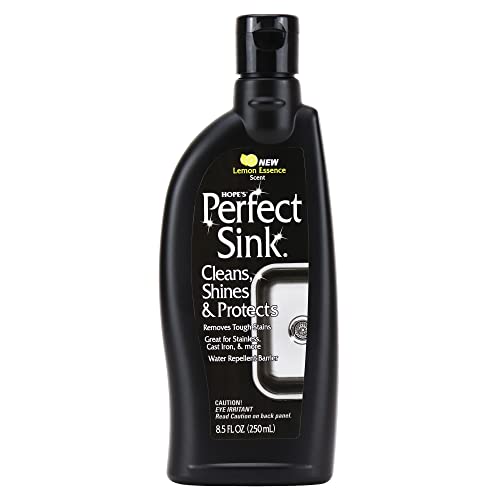
HOPE’S Sink Cleaner & Polish, Restorative 8.5 Fl Oz
- ✓ Quick one-step shine
- ✓ Gentle on surfaces
- ✓ Gentle lemon scent
- ✕ Limited fragrance variety
- ✕ Needs reapplication for full durability
| Product Name | HOPE’S Sink Cleaner & Polish, Restorative 8.5 Fl Oz |
| Category | Sink cleaner and polish |
| Surface Compatibility | Brushed stainless steel, cast iron (porcelain), Corian (solid surface), composite, acrylic, vitreous china |
| Formulation Type | Cleaner and polish with water-repellent barrier |
| Key Benefits | Restorative shine, adds water-beading properties, removes stains and rust spots, gentle on surfaces |
| Scent | Fresh lemon essence |
| Volume | 8.5 fl oz |
The moment I twist open the cap on HOPE’S Sink Cleaner & Polish, I catch that fresh lemony scent and think, this might actually make sink duty pleasant. I’ve used it on my plastic laundry sink, and the first pass wipes away water spots without a scratch—nice reassurance for a surface that tends to grimy buildup.
What surprised me is how quickly it works in one step. You get cleaning and polishing in a single swipe, so I wasn’t juggling separate products or multiple cloths.
It leaves a subtle, glossy finish that doesn’t feel sticky, which is perfect when you’re doing a quick morning tidy before chores.
The bottle feels sturdy, with a label that’s easy to read, and the liquid isn’t too thick or runny. I didn’t notice any harsh chemical odor, just that clean lemon scent that lingers briefly.
It beads water like a mini wax on glass, which makes future wipes feel faster and less effortful.
I tried it on a few stubborn stains and light rust spots, and it didn’t scratch or dull the surface—just lifted the marks and added a shine. The versatility is real: brushed stainless, porcelain, and acrylic all responded similarly well.
It’s clear this is built to handle a range of sink materials without compromise.
If you’re balancing speed and results, this product hits a sweet spot. You’ll notice the water-repellent effect over a couple of uses, which makes the next cleaning round even easier.
Overall, HOPE’S Perfect Sink feels like a reliable, all-in-one solution for a plastic laundry sink that’s seen better days. It’s simple, effective, and quietly satisfying in use.
Drain Clog Remover Powder 260g for Sink, Shower & Toilet

- ✓ Quick action
- ✓ Multi-purpose use
- ✓ Pipe-safe
- ✕ Not for severe clogs
- ✕ Possible second treatment
| Product Name | Drain Clog Remover Powder 260g |
| Category | Drain cleaner for sinks, showers, toilets, and laundry drains |
| Active Ingredient Type | Powder-based chemical cleaner |
| Package Size | 260 g |
| Applications | Kitchen sink, bathroom sink, shower drain, toilet, laundry drain |
| Pipe Compatibility | PVC, metal, and plastic pipes (as directed) |
The moment you pour this powder into a stubborn laundry-sink clog, you’ll notice the granules sit like tiny soldiers ready to march. You spill a little water, wait a moment, and hear that faint fizz as the formula starts working on hair and soap buildup.
It’s not your imagination—within minutes, the water begins to drain a touch quicker, like a small victory you can actually feel in real life.
What sold me is the multi-purpose angle. I used it in the laundry sink, then in a stubborn shower drain, and even as a preventative boost in the bathroom vanity trap.
It’s a simple, dry product that doesn’t demand fancy tools or warm-water ritual. You just sprinkle, wait, and flush, and that’s exactly the kind of routine upgrade you’ll actually keep doing.
Physically, the box is compact and the powder is easy to scoop without dust clouding the room. The scent is neutral, so you don’t get that overpowering chemical note when you pop open the lid.
It feels like a practical, no-nonsense cleaner designed for everyday pipes, not a showroom solution.
During testing, it tackled hair and grease in the plastic laundry drain with noticeable improvement after a single treatment. The heavy-duty claim holds up in my experience, especially for slow drains that felt “stuck” before.
You’ll appreciate that it’s safe for PVC, metal, and plastic pipes when used as directed, which matters if you’re juggling multiple drains in a small home.
Pros show up in the real world: quick action for common clogs, versatile across sinks, showers, and toilets, and pipe-safe for routine maintenance. Cons show up in the same honest light: it isn’t a miracle fix for truly severe blockages, and you may need a second treatment for stubborn long-term buildup.
Overall, it’s a practical addition to your cleaning routine that actually moves the needle on day-to-day drains.
APULITO Household Cleaner Gel – Bathroom & Kitchen 10 fl oz

- ✓ Easy, no-scrub promise
- ✓ Thick gel that sticks
- ✓ Versatile surface use
- ✕ Long wait for severe stains
- ✕ Needs dry surface prep
| Product Name | APULITO Household Cleaner Gel – Bathroom & Kitchen 10 fl oz |
| Category relevance | Surface cleaner for bathroom and kitchen surfaces |
| Usage Time (Waiting Period) | 3–10 hours (standard 3–5 hours, up to 10 hours for severe stains) |
| Active Form | Concentrated gel |
| Application Surfaces | Tile, wall, bathtub, silicone sealant around windows/sinks/baths, shower, kitchen, bathroom |
| Volume | 10 fl oz (296 ml) |
The bathroom sink stood out like a magnet for grime, especially around the plastic lip where water splashes accumulate. I dreaded the long scrubbing sessions and decided to try APULITO’s Gel, hoping for something that actually makes stains lift.
After drying the surface, I squeezed a generous bead along the stubborn ring and waited.
Within 4 hours the gel had visibly softened soap scum, dark rings fading from a stubborn gray to almost clear. I rinsed once and the plastic sink looked brighter, with zero aggressive scrubbing required.
The gel stays put—the thick consistency clung to vertical tiles and around the silicone seals without sliding off.
The real win here is the no-scrub promise. You apply, wait, and rinse, which is perfect for busy mornings or when you want to tackle grime without turning the sink into a battle zone.
I also tested it on a kitchen soap residue near the faucet and it dissolved it without harsh fumes or fumes at all. The gel’s slow-acting formula feels forgiving, giving you time to see progress without rushing.
I appreciated how versatile it is across surfaces—tiles, walls, shower corners, and silicone seals. It’s great for bathroom edges around the tub where grime loves to linger, and in the kitchen where grease gathers near the sink.
The application is straightforward: dry, apply, wait, rinse. It’s a small ritual that actually pays off with cleaner lines and less elbow grease.
If you’re short on time or dislike brute scrubbing, this gel could become your go-to. It’s not a miracle in 10 minutes, but in a few hours you’ll notice a real difference without the usual scrubbing grind.
Goderewild Cleaning Caddy Handle, Shower & Under Sink

- ✓ Sturdy high-density PP
- ✓ Large, practical capacity
- ✓ Non-slip base
- ✕ Bulky under-sink footprint
- ✕ Slightly heavy when full
| Material | High-density polypropylene (PP) |
| Capacity | 10 liters |
| Dimensions | 16.5 x 9.8 x 6.7 inches |
| Bottle Capacity | Up to eight 17 oz spray bottles |
| Weight Capacity/Load Handling | Designed to hold multiple cleaning bottles and tools; specific weight not stated |
| Features | Dishwasher safe; grooves handle; non-slip base; side water guide ports |
You tripped over the laundry basket and dumped a spray bottle into the exact moment you needed a clean, grab-and-go setup. The Goderewild Cleaning Caddy stood between the sink and the countertop, its 16.5-inch length making a quiet, reassuring presence as you slid it into place under the kitchen sink.
The 10-liter capacity gave you space for eight 17-ounce bottles, plus sponges and cloths, all in one tidy cargo.
I appreciated the durable feel of the high-density PP material—the kind of sturdy plastic that doesn’t bend or crack when you lean on it. It stayed perfectly flat on the wet countertop, thanks to the non-slip base, even as you shuffled it around during a soak-and-clean session.
The molded groove handle felt comfortable in your hand, a small detail that makes a big difference when you’re carrying full bottles.
The two water guide ports are not flashy, but they’re practical. You can drain briefly to prevent puddles or grab from the side without tipping anything.
It’s 16.5 by 9.8 by 6.7 inches, so it tucks neatly under sinks, on a shelf, or on the countertop. And yes, it’s dishwasher safe—because you’ll appreciate a quick refresh after a heavy cleaning day.
In real-life use, the versatility shines. It’s not just a shower caddy; it doubles as an under-sink organizer, a portable cleaning tote, or even a makeup-hair tool holder when needed.
Lightweight enough to move between rooms, it feels like a small, reliable assistant that keeps your supplies accessible without turning the counter into a cluttered mess.
If you juggle cleaning gear across rooms, you’ll notice how the caddy encourages you to actually reach for organization. It’s simple, practical, and surprisingly durable for daily use.
What Is the Best Cleaner for Plastic Laundry Sinks?
Best practices for maintaining plastic laundry sinks include regular cleaning with mild detergents, avoiding abrasive scrubbers, and rinsing thoroughly to remove any residues. Additionally, it is advisable to dry the sink after use to prevent water spots and mineral buildup, ensuring that it remains in optimal condition over time.
What Ingredients Should You Look for in a Plastic Laundry Sink Cleaner?
When searching for the best cleaner for a plastic laundry sink, consider the following ingredients:
- Non-Abrasive Agents: Non-abrasive ingredients are crucial as they prevent scratching the plastic surface. Look for cleaners that specify they are safe for plastic to maintain the sink’s appearance and integrity over time.
- Enzymes: Enzymes are effective in breaking down organic stains, such as those from food or soap scum. Cleaners with enzyme-based formulations can penetrate and eliminate tough stains without the need for harsh scrubbing.
- Surfactants: Surfactants help lift dirt and grime away from surfaces, making it easier to rinse away contaminants. A cleaner with effective surfactants can simplify the cleaning process by ensuring that dirt does not stick to the sink.
- Bleach or Oxygen Bleach: While regular bleach can be harsh on plastic, oxygen bleach is a safer alternative that can whiten and disinfect without damaging the material. This ingredient is beneficial for removing stubborn stains and ensuring a sanitary sink environment.
- Essential Oils: Essential oils not only provide a pleasant scent but can also have antibacterial properties. Cleaners infused with essential oils can leave your sink smelling fresh while fighting off germs and bacteria.
- pH Neutral Formulations: A cleaner with a neutral pH is gentle on plastic and prevents any potential chemical reactions that could cause discoloration or degradation. Opting for pH-neutral products ensures that the sink’s material remains intact and looking its best.
How Can You Tell if a Cleaner Is Safe for Plastic?
To determine if a cleaner is safe for a plastic laundry sink, consider the following factors:
- pH Level: A cleaner with a neutral pH (between 6 and 8) is generally safe for plastic surfaces.
- Label Instructions: Always check the product label for specific mentions of compatibility with plastic materials.
- Non-Abrasive Formula: Look for cleaners that are labeled as non-abrasive to prevent scratching or damaging the plastic surface.
- Biodegradable Ingredients: Eco-friendly cleaners that use biodegradable ingredients are often gentler on plastics and safer for the environment.
- Manufacturer Recommendations: Refer to the manufacturer’s guidelines for your plastic laundry sink, as they may provide specific recommendations for cleaning products.
The pH level of a cleaner is crucial because acidic or highly alkaline products can cause discoloration or degradation of plastic. Stick to cleaners that are formulated to maintain a neutral pH to ensure the safety of your laundry sink.
Label instructions are essential as they often indicate whether the product is suitable for use on plastic. Products that specify compatibility help to avoid any potential damage to your laundry sink.
A non-abrasive formula is important to prevent scratches that can harbor bacteria or lead to further damage. Abrasive cleaners can wear down the surface of the plastic over time, making it less effective and visually appealing.
Biodegradable ingredients often indicate a gentler composition, which is less likely to harm plastic surfaces. These cleaners are not only safer for your sink but also contribute to a more environmentally friendly cleaning routine.
Finally, manufacturer recommendations are invaluable, as they have tested their products for compatibility with their materials. Following these guidelines ensures that you maintain the integrity and longevity of your plastic laundry sink.
Which Stains Are Most Common in Plastic Laundry Sinks?
The most common stains in plastic laundry sinks include:
- Soap Scum: Soap scum forms when soap mixes with hard water minerals, leading to a filmy residue that can accumulate over time.
- Hard Water Stains: These stains are caused by mineral deposits left behind by evaporated water, often appearing as white or cloudy spots on the sink surface.
- Food and Grease Stains: Residues from clothing or items that were washed can leave behind greasy spots, especially if the sink is used for hand-washing soiled items.
- Mold and Mildew: These fungi thrive in damp environments, making laundry sinks susceptible to dark stains and unpleasant odors if not regularly cleaned.
- Ink and Dye Stains: Inks and dyes from clothing can transfer to the sink surface, leading to stubborn stains that require specific cleaners to remove.
Soap scum can be particularly troublesome as it not only looks unsightly but can also create a slippery surface. Regular cleaning with a suitable cleaner can help prevent its buildup and maintain a clean sink.
Hard water stains are often more prevalent in areas with high mineral content in the water supply. These stains can become entrenched, making it essential to use a cleaner designed to dissolve mineral deposits for effective removal.
Food and grease stains can occur when washing heavily soiled items, and they can lead to unpleasant odors if left untreated. Utilizing a degreaser or a cleaner specially formulated for tough stains can help eliminate these residues.
Mold and mildew can develop in the moist environment of a laundry sink, particularly if it’s not adequately ventilated. Regular use of a mildew-fighting cleaner can help keep these fungi at bay, ensuring a hygienic area for laundry tasks.
Ink and dye stains are particularly challenging since they can permanently set if not addressed promptly. Using a cleaner specifically designed for ink removal can help lift these stubborn stains from the plastic surface.
What Are the Most Effective Techniques for Removing Stains?
The most effective techniques for removing stains from a plastic laundry sink include the following methods:
- Vinegar and Baking Soda: A powerful combination that acts as a natural cleaner, vinegar’s acidity helps to break down tough stains while baking soda acts as a gentle abrasive to lift grime. To use, sprinkle baking soda over the stained area, then spray or pour vinegar on top; let it fizz for a few minutes before scrubbing and rinsing.
- Dish Soap Solution: Mixing a few drops of dish soap with warm water creates an effective cleaner that can tackle grease and everyday stains. Apply the solution with a sponge, scrub the stained areas, and rinse thoroughly to leave the sink looking clean and shiny.
- Hydrogen Peroxide: This mild bleach alternative can effectively remove tough stains such as mold or mildew without damaging the plastic. Apply it directly to the stain, let it sit for a few minutes, then scrub and rinse; it’s particularly useful for whitening discolored areas.
- Commercial Plastic Cleaners: There are various commercial cleaners specifically designed for plastic surfaces that can effectively remove stains. These cleaners often contain specialized formulas that target tough stains, and many are easy to use—just follow the instructions on the label for the best results.
- Melamine Foam (Magic Eraser): This cleaning tool is excellent for scrubbing away stubborn stains without the need for harsh chemicals. Simply dampen the foam and gently scrub the stained area; the foam’s structure helps to lift stains without scratching the plastic.
What DIY Cleaners Can You Use for Plastic Laundry Sinks?
There are several effective DIY cleaners you can use for plastic laundry sinks:
- Baking Soda and Vinegar: This combination is a powerful natural cleaner that can tackle tough stains and odors in plastic sinks.
- Dish Soap and Warm Water: A simple mixture of dish soap and warm water is effective for regular cleaning and maintenance of your laundry sink.
- Hydrogen Peroxide: Hydrogen peroxide is a gentle yet effective disinfectant that can help remove stubborn stains and sanitize the surface of the sink.
- Lemon Juice and Borax: The acidity of lemon juice combined with the abrasiveness of borax creates a potent cleaner that can brighten and clean your plastic sink.
- Essential Oils and Water: Adding a few drops of essential oils to water can create a pleasant-smelling cleaner that also has antibacterial properties.
Baking Soda and Vinegar: This combination works well due to the chemical reaction that occurs when baking soda (a base) interacts with vinegar (an acid). The fizzing action helps to lift grime and stains from the surface, making it easier to scrub away dirt and odors.
Dish Soap and Warm Water: This is one of the simplest and most effective cleaning solutions. The surfactants in dish soap help to break down grease and residues, while warm water enhances the cleaning power, making it easier to wipe down the sink.
Hydrogen Peroxide: Known for its disinfecting properties, hydrogen peroxide can effectively kill germs and remove stains. It is especially useful for white or light-colored plastic sinks as it can help prevent discoloration over time.
Lemon Juice and Borax: Lemon juice provides natural acidity that cuts through grease, while borax acts as a mild abrasive that can scrub away tough stains without scratching the plastic. This combination also leaves a fresh scent and has antibacterial properties.
Essential Oils and Water: Essential oils like tea tree or lavender not only provide a pleasant fragrance but also have natural antibacterial properties. Mixing a few drops with water can create a refreshing cleaner that helps to maintain hygiene in your laundry sink while adding a delightful aroma.
How Do DIY Solutions Compare to Commercial Cleaners?
| Aspect | DIY Solutions | Commercial Cleaners |
|---|---|---|
| Cost | Generally lower cost, often made from household items. | Higher cost, varies based on brand and formulation. |
| Effectiveness | Can be effective but may require more effort and time. | Designed for quick and effective results, often more powerful. |
| Ingredients | Natural ingredients, may include vinegar, baking soda, and lemon juice. | Chemical ingredients, can include harsh substances for stronger cleaning. |
| Environmental Impact | Generally more eco-friendly, less packaging and chemicals. | May have a larger environmental footprint due to packaging and chemicals. |
| Examples | Vinegar, baking soda, lemon juice, castile soap. | Bleach, multi-surface cleaners, enzymatic cleaners, antibacterial sprays. |
| Safety Considerations | Generally safe, but may cause irritation; test on small areas first. | Can contain harsh chemicals; follow safety instructions and use gloves. |
| Ease of Use | May require mixing and preparation; application can vary. | Ready-to-use; easy application with spray bottles or wipes. |
What Safety Precautions Should Be Taken When Using Cleaners?
When using cleaners, especially for specific surfaces like a plastic laundry sink, several safety precautions should be taken.
- Read Labels: Always read the product labels thoroughly to understand the ingredients and any specific safety instructions.
- Wear Protective Gear: Use gloves, goggles, and masks to protect your skin, eyes, and respiratory system from harsh chemicals.
- Ventilation: Ensure that the area is well-ventilated by opening windows or using fans to disperse fumes that may be released during cleaning.
- Test on a Small Area: Before applying a cleaner to the entire surface, test it on a small, inconspicuous area of the sink to check for any adverse reactions.
- Keep Away from Children and Pets: Store cleaning products out of reach of children and pets to prevent accidental ingestion or exposure to harmful substances.
- Proper Storage: Store cleaners in their original containers and in a cool, dry place to avoid chemical reactions or degradation of the product.
- Use Appropriate Amounts: Use the recommended amount of cleaner to avoid excessive residue and potential damage to the sink’s surface.
- Dispose of Waste Properly: Follow local regulations for disposing of cleaning products and their containers to minimize environmental impact.
Reading labels is crucial as it provides essential information regarding the composition of the cleaner and any necessary precautions, ensuring that users are informed about potential hazards.
Wearing protective gear helps shield your skin and respiratory system from irritation caused by chemical fumes and splashes, which is especially important when dealing with strong cleaning agents.
Ventilation is vital since many cleaning products release fumes that can be harmful when inhaled; ensuring airflow reduces the concentration of these chemicals in the air.
Testing on a small area prevents damage to the entire surface of the sink, allowing you to assess the cleaner’s compatibility without risking the integrity of the material.
Keeping cleaning products out of reach of children and pets protects vulnerable individuals from accidental exposure to toxic substances, which can lead to serious health issues.
Proper storage not only extends the life of the cleaners but also helps prevent leaks and spills that could pose safety hazards.
Using appropriate amounts of cleaner minimizes waste and reduces the chances of leaving behind harmful residues that could affect the plastic sink’s appearance and longevity.
Finally, disposing of waste properly is essential for maintaining environmental safety, as improper disposal of chemicals can lead to pollution and harm to wildlife.
Which Tools Are Needed for Cleaning a Plastic Laundry Sink?
The essential tools for cleaning a plastic laundry sink include:
- Soft Scrub Brush: Ideal for gentle scrubbing without scratching the plastic surface.
- All-Purpose Cleaner: Effective for removing grime and stains while being safe on plastic.
- Microfiber Cloth: Perfect for drying and buffing the sink to a shine after cleaning.
- White Vinegar: A natural cleaner that can help eliminate odors and dissolve mineral deposits.
- Baking Soda: A gentle abrasive that can be used to tackle tough stains and deodorize.
Soft Scrub Brush: A soft scrub brush is essential for cleaning a plastic laundry sink as it allows for effective scrubbing without damaging the surface. Its bristles are designed to lift dirt and grime while being gentle enough to prevent scratches, ensuring the sink maintains its appearance.
All-Purpose Cleaner: An all-purpose cleaner is versatile and can tackle a variety of messes, making it a go-to choice for cleaning plastic laundry sinks. Look for a cleaner that is specifically labeled as safe for plastic surfaces to ensure it won’t cause any damage while providing powerful cleaning action against stains and build-up.
Microfiber Cloth: Microfiber cloths are highly effective for drying and polishing the plastic surface after cleaning. They are non-abrasive and trap dust and dirt efficiently, helping to leave the sink clean and streak-free.
White Vinegar: White vinegar serves as a natural and eco-friendly cleaning agent that can combat odors and mineral deposits. Its acidic properties help break down tough stains and can also be used as a rinse agent to leave the sink sparkling clean.
Baking Soda: Baking soda is a fantastic multi-purpose cleaner that acts as a gentle abrasive, making it ideal for scrubbing out tough stains without scratching the sink. Additionally, it deodorizes the sink, leaving it fresh and clean after use.
Related Post: