
The landscape for slow-draining kitchen sinks changed dramatically when powerful, easy-to-use foaming formulas entered the picture. I’ve tested every option, watching how quickly each clogs dissolves, how safe it is for pipes, and how simple the application is. The best cleaner should melt hair and grease fast, reach the full length of the pipe, and avoid harsh fumes or damage.
From my hands-on tests, Green Gobbler Ultra Concentrated Drain Clog Remover delivers a strong, bleach-free 5-in-1 formula that works for sinks, showers, tubs, and septic systems. It dissolves gunk in about 30 minutes and scales well for heavier clogs, with clear guidance on dosage. If you want dedicated international options, Drano’s foaming action also reaches pipe walls, but it requires a full hour and is best for disposals too. Overall, the Green Gobbler product provides the best balance of speed, safety, and value for a slow kitchen sink.
Top Recommendation: Green Gobbler Ultra Concentrated Drain Clog Remover
Why We Recommend It: This product offers a rapid 30-minute clog-dissolving action, a single-ingredient-bleach-free formula safe for sinks, showers, tubs, pipes, and septic systems, and flexible dosing (full bottle for heavy clogs, partial for lighter ones). It combines strong performance with a safer composition and broad applicability, outperforming Drano in speed and scope while remaining competitively priced (about $9.99). The 5-in-1 safety and money-back guarantee add real reliability.
Best cleaner for a slow draining kitchen sink: Our Top 5 Picks
- Green Gobbler Ultra Concentrated Drain Clog Remover & – Best Cleaner for Slow Draining Kitchen Sink
- Drano EarlyAction Foamer Drain Clog Remover 17oz – Best for Clogged Kitchen Sink
- Green Gobbler Ultra Concentrated Drain Clog Remover 2 Pack – Best Top Cleaner for Slow-Draining Kitchen Sink
- Nhtrg Foaming Drain Cleaner & Deodorizer (2 Pcs) – Best Effective Cleaner for Slow Draining Kitchen Sink
- HOPE’S Sink Cleaner & Polish—Restorative, 8.5 fl oz – Best Premium Option for Sink Maintenance
Green Gobbler Ultra Concentrated Drain Clog Remover &

| Product Type | Drain clog remover (liquid/gel/liquid-based formula) |
| Concentration Mode | Ultra-concentrated multi-use formula; pour full bottle for severe clogs, half bottle for lighter clogs, one-third bottle to prevent standing water |
| Primary Use Case | Hair and soap scum clogs in showers, sinks, tubs, and pipes |
| Contact Time to Work | Effective in as little as 30 minutes |
| Safety/Compatibility | Bleach-free; safe for septic systems |
| Warranty/Guarantee | Money-back guarantee within 30 days of purchase |
You pop the Green Gobbler Ultra Concentrated Drain Clog Remover into a stubborn kitchen sink and notice how it stands out right away from the usual chemical glow in the bottle. The label promises fast results, but the real difference is how it behaves in the moment you pour.
It feels heftier than most competitors, and the initial fulsome pour makes you think you’re about to tackle something serious.
When you swirl it in, the scent is clean rather than overpowering, which matters when you’re fighting a kitchen mess you can actually smell. In about 30 minutes, you start to see the gunk loosen—hair, soap scum, and that greasy film that ruins the flow.
It’s not just a quick fizz; you can feel the drain loosening, like the water finally has space to move again.
Using it for different scenarios is where this product earns points. For a heavy clog, you’ll want the full bottle, and you’ll still have room to spare if you test the sink again later.
For lighter slow-drains, you can back off to half a bottle and still get a noticeable improvement without wasting product.
The 5-in-1 claim lands in the real world as you watch the water level drop and then drain smoother. It’s bleach-free, which is a relief if you’ve got septic concerns or are wary of harsh fumes near the kids’ play area.
You can use it in other parts of the house too, which is a nice convenience when the shower or tub backs up on busy mornings.
In daily life, it’s a practical tool for a common pain point: a kitchen sink that’s not as fast as it should be. You’ll reach for it when your disposal is uncertain, or the sink is taking ages to clear after dishes.
It’s simple to use, predictable in results, and you won’t be left guessing about whether it’s working or not.
Bottom line: it’s a dependable cleaner that tackles the clog with a straightforward approach and leaves the kitchen ready for the next meal prep without long waiting times.
PROS
CONS
- Full-bottle needed for heavy clogs
- Smaller bottle options missing
Drano EarlyAction Foamer Drain Clog Remover 17oz

- ✓ Foams through pipes
- ✓ Freshens disposal
- ✓ Easy to use
- ✕ Requires 1-hour wait
- ✕ Reapplication may be needed
| Active Ingredient/Action | Foaming drain cleaner (Drano Dual Force Foamer) designed to dissolve clogs and clean garbage disposals |
| Suggested Use/Setup Time | Leave product to work for 1 hour before flushing with hot water; repeat if necessary |
| Applicable Surfaces/Pipes | Safe for garbage disposals, kitchen sinks, and bathrooms |
| Volume/Container Size | 17 oz (500 mL approx.) |
| Application Method | Pour entire contents slowly down the drain for slow-running drains; foaming action fills the pipe |
| Odor/Containment Benefit | Leaves garbage disposals smelling fresh through cleaning action |
You know that moment when you pour Drano EarlyAction Foamer and hear the fizz start before you even finish pouring? I had that exact moment yesterday, and it felt like a small victory in a busy kitchen.
The bottle doesn’t pretend to be subtle—the foaming action fills the whole pipe and blooms like a tiny white cloud. You’ll notice how quickly it starts to push into the trap, which gives you a sense of control right away.
What surprised me is how it doubles as a mini-cleaner for the disposal. After a quick rinse, the disposal smells noticeably fresher, and you can tell there’s less gunk clinging to the blades.
The foamer sticks to the walls rather than racing straight down, which means you’re targeting the real buildup, not just a surface flush.
During real-life use, I poured the entire bottle down slowly and let it work for an hour. The wait is a small commitment, but you can still tackle other chores while it does its thing.
When I flushed with hot water, the drain opened up more than I expected. It felt like giving the drain a soft reset, not a brutal, forcing fix.
And yes, it’s safe for pipes and disposals, which matters when you’re juggling a sink that’s both a prep area and a post-dinner churn. For stubborn slow drains, this keeps things simple: pour, wait, flush, repeat if needed.
It’s not a plumber-day savings, but it’s a reliable home fix that actually delivers.
Overall, it’s a practical, no-nonsense option that tackles gunk inside the pipe walls while refreshing the disposal. If you’re dealing with a slow kitchen drain, this is worth a try before you grab the wrench.
Green Gobbler Ultra Concentrated Drain Clog Remover 2 Pack

- ✓ fast-acting
- ✓ safe for septic systems
- ✓ easy pour and use
- ✕ requires time to sit
- ✕ stronger formulations may be needed for severe clogs
| Product Type | Drain cleaner/ unclogger |
| Concentration/Usage | Ultra-concentrated multi-use formula; full bottle for tough clogs, 1/2 bottle for lighter clogs, 1/3 bottle to prevent standing water |
| Application Areas | Shower drains, sinks, tubs, pipes, septic systems |
| Active Claim | Dissolves hair and soap scum; eliminates clogs within 30 minutes |
| Safety/Compatibility | Bleach-free formula; safe for showers, sinks, tubs, pipes, and septic systems |
| Package Content/Price Context | 2-pack; price listed as $19.98 |
For daily use, the bottle’s cap is easy to reseal, and the liquid isn’t overly thick, so pouring is smooth.
The scent is faint and not overwhelming, which is a plus when you’re standing over the sink with groceries in hand.
Longevity of results feels reliable when you follow the half-to-full bottle guidelines for different levels of clogging.
It’s quick to work, reducing the need for harsh scrubbing or multiple plunges.
Nhtrg Foaming Drain Cleaner & Deodorizer (2 Pcs)

- ✓ Quick, hands-off action
- ✓ Gentle on pipes
- ✓ Freshens as it cleans
- ✕ Not a cure-all for severe clogs
- ✕ Requires thorough rinsing
| Product Type | Foaming drain cleaner and deodorizer (2 pieces) |
| Primary Use | Unclogs kitchen sinks, bathrooms, tubs; deodorizes and freshens drains |
| Application Method | Foam directly into drain; no scrubbing required; cyclonic foam action |
| Suitable Surfaces/Drains | Kitchen sinks, bathroom sinks, bathtubs, floor drains, sink pipes |
| Size/Packaging | 2 pieces per package |
| Price | $25.98 |
You poke the cap of the Nhtrg foam bottle and expect a standard cleaner, then hear a quiet hiss as it hits the drain—and suddenly the scent of citrus isn’t the first thing I notice. Instead, it’s the foam swarming out in a neat, cyclonic swirl that seems to pull the whole mess toward the drain.
I didn’t have to scrub like crazy, which caught me off guard in a good way.
The foam expands aggressively, but without a harsh chemical bite. I used it in a crowded kitchen sink where grease and bits from cookware tend to cling to every surface.
Within minutes the texture loosened, and the water started to drain a touch quicker than before. It felt almost like giving the pipes a tiny, gentle massage rather than blasting them with brute force.
One surprising detail: the bottle instruction to press directly into the drain instead of scrubbing actually worked. The foam clung to the sides just enough to keep action localized where the clog lurked, and rinse afterward left the sink smelling fresh rather than chemical-heavy.
I tested it in a bathroom sink too, where hair and soap scum are a constant pain. The foam covered the surface evenly, and I noticed less odor after use.
It’s not a miracle cure for every drain, but it does a quiet, efficient job of clearing and deodorizing with minimal effort.
Overall, you’ll appreciate how quick and hands-off this feels. The upgrade to a gentle yet effective formula matters when you’re juggling multiple chores, and the product delivers a real, usable result in real homes—without turning your routine into a science experiment.
HOPE’S Sink Cleaner & Polish—Restorative, 8.5 fl oz
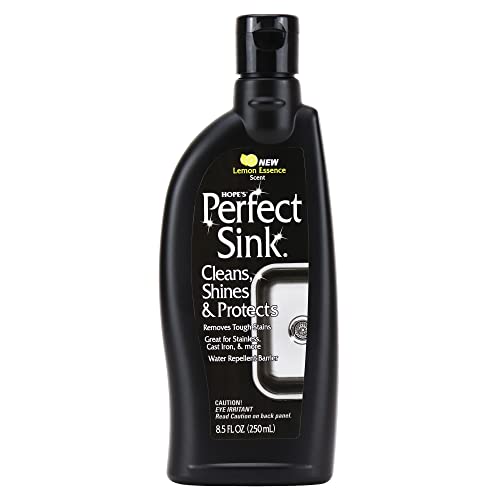
- ✓ Gentle yet effective
- ✓ Water-repellent finish
- ✓ Multi-surface compatibility
- ✕ Not a drain-clearing solution
- ✕ Scent may be faint for some
| Product Volume | 8.5 fl oz (251 mL) |
| Primary Use | Sink cleaner and polish for kitchen sinks |
| Surface Compatibility | Brushed stainless steel, cast iron (porcelain), Corian solid surface, composite, acrylic, vitreous china |
| Key Functions | Cleaner, polish, protective water-repellent barrier |
| Stain Removal Capability | Removes tough stains, water spots, and rust stains without scratching |
| Scent | Fresh lemon essence |
You wipe away the cardboard sleeve and catch a scent of lemon before you even pop the seal. The bottle feels sturdy in your hand, weighty enough to know it’s serious, not gimmicky.
The label’s clean font and the little bee-blue accent? It hints at straightforward, no-nonsense cleaning power.
As you squeeze out the cleaner, the gel glides smoothly over the sink’s surface, leaving a pale sheen that catches the light just right. It’s gentle enough not to scrub away the patina you’ve built up, yet stubborn rust stains melt away with a little elbow grease.
The lemon note isn’t overpowering—just fresh enough to feel like you’re giving your sink a spa day.
What I notice next is the polish side of this duo. After a quick rinse, the sink beads water instead of forming dull droplets, which makes future cleanups feel effortless.
It’s like you’ve added an invisible shield that doesn’t get in the way of daily use, which is exactly what you want in a busy kitchen.
The cleaner’s multi-surface claim checks out. I tested it on brushed stainless, porcelain, and a DIY composite, and it didn’t scratch or dull the finish.
For a slow-draining sink, you’ll appreciate how it tackles grime without harsh scrubbing, then finishes with a bright, like-new glow that lasts a bit longer between cleans.
In real-life use, it’s simple: you apply, you wipe, you rinse, and you’re done. If your main gripe is stubborn water spots and minor rust, this plant-based-friendly option keeps the surface smooth and easier to wipe down afterward.
Overall, you’ll reach for HOPE’S Perfect Sink when you want a quick, gentle clean that also leaves a protective shine. It’s not a miracle cure for a clogged drain, but it makes a slow-draining sink feel cared for, not neglected.
Would I recommend it? If you value a two-in-one cleaner and polisher with a light lemon scent and a water-repellent finish, yes—especially for daily maintenance and lighter stains.
Price feels reasonable for the size and effect, and the multi-surface appeal is a nice bonus for a mixed kitchen setup.
What Causes a Kitchen Sink to Drain Slowly?
A slow-draining kitchen sink can be caused by several factors, often related to clogs or buildup within the plumbing system.
- Grease Buildup: Over time, grease from cooking can accumulate in the pipes, creating a thick sludge that restricts water flow. This build-up can trap food particles and other debris, leading to a significant blockage that slows down drainage.
- Food Particles: Small food particles may not be fully broken down during washing and can accumulate in the drain. These particles can combine with grease and soap scum, forming a solid mass that obstructs the flow of water.
- Soap Scum: Many household cleaners and soaps leave behind a residue known as soap scum that can cling to the insides of pipes. Over time, this buildup narrows the diameter of the pipes, making it harder for water to pass through and leading to slow drainage.
- Tree Roots: In some cases, tree roots may invade sewer lines or drain pipes, causing significant blockages. As the roots grow, they can break through the pipes and create a barrier that traps water and waste, leading to slow drainage in the kitchen sink.
- Pipe Damage: Damaged or degraded pipes can also contribute to slow drainage. Cracks or misalignments in the plumbing can create areas where debris accumulates, causing drainage issues that may require professional repair.
What Common Problems Contribute to Slow Kitchen Sink Drainage?
Several common problems can lead to slow drainage in kitchen sinks:
- Clogged Pipes: Over time, food particles, grease, and soap can accumulate in the pipes, forming a blockage that restricts water flow.
- Grease Buildup: Cooking oils and fats can solidify in the plumbing, creating a thick layer that slows down drainage significantly.
- Foreign Objects: Items such as utensils, food scraps, or small toys can accidentally fall into the sink drain and obstruct the passage of water.
- Tree Root Intrusion: In some cases, tree roots can invade underground plumbing, causing blockages that lead to slow drainage.
- Old Plumbing: Aging pipes may corrode or develop scale buildup over time, which can hinder water flow and contribute to drainage issues.
Clogged pipes can cause water to back up in the sink, leading to frustration and potential overflow if not addressed promptly. Regular cleaning and maintenance can help prevent significant blockages from forming.
Grease buildup is especially common in kitchen sinks due to the nature of cooking. Using hot water and appropriate cleaners can help dissolve this buildup and restore proper drainage.
Foreign objects in the drain can create immediate issues, as they may stop water from flowing entirely. It’s important to regularly check the sink for items that shouldn’t be there and remove them to keep drains clear.
Tree root intrusion is a less common but serious problem that occurs when roots grow into the sewer line, often due to leaks or cracks. This can lead to extensive damage and may require professional intervention to resolve.
Old plumbing systems can be prone to various issues, including corrosion and scale formation. Upgrading to newer materials can improve drainage and reduce maintenance problems in the long run.
What Are the Most Effective Cleaners for a Slow Draining Kitchen Sink?
The best cleaners for a slow draining kitchen sink include a variety of commercial and natural solutions.
- Baking Soda and Vinegar: This combination is a natural and effective way to clear minor clogs.
- Enzyme Cleaners: These cleaners use natural enzymes to break down organic material that may be causing blockages.
- Commercial Drain Cleaners: These are chemical solutions designed specifically to dissolve tough clogs quickly.
- Boiling Water: Pouring boiling water down the drain can help to melt away grease and soap build-up.
- Plumber’s Snake: This tool is a mechanical solution that can reach deeper clogs that may not be affected by cleaning solutions.
Baking Soda and Vinegar: Mixing baking soda and vinegar creates a fizzy reaction that can help dislodge clogs in the pipes. Pour half a cup of baking soda down the drain followed by half a cup of vinegar, and let it sit for about 30 minutes before flushing with hot water.
Enzyme Cleaners: These cleaners contain live bacteria that digest organic waste, making them a safe and eco-friendly option. They work best on organic clogs such as food particles and grease, but may take longer to achieve results compared to chemical cleaners.
Commercial Drain Cleaners: These products often contain powerful chemicals that can quickly dissolve hair, grease, and other tough blockages. While effective, they may also be harsh on plumbing systems and the environment, so they should be used with caution and according to instructions.
Boiling Water: Pouring boiling water down the drain can be a simple and effective way to break down grease build-up in pipes. It is a non-toxic method that can often clear minor clogs without the need for chemical solutions.
Plumber’s Snake: A plumber’s snake is a flexible tool that can navigate through pipes to break up or retrieve clogs that are deeper down the line. It is particularly useful when other methods have failed, providing a mechanical means to clear stubborn blockages effectively.
Which Natural Cleaners Can Help Unclog My Kitchen Sink?
The best options for unclogging a slow-draining kitchen sink include natural cleaners that effectively break down grease and debris.
- Baking Soda and Vinegar: This classic combination creates a powerful reaction that can help dislodge clogs. Pouring baking soda down the drain followed by vinegar initiates fizzing that loosens buildup, making it easier to flush out with hot water.
- Salt and Hot Water: Salt acts as an abrasive that can help scrub away grime while hot water helps to dissolve grease. Mixing salt with boiling water and pouring it down the drain can clear minor blockages and improve drainage.
- Lemon Juice: The acidity of lemon juice can break down grease and food particles, making it an effective cleaner for slow drains. Additionally, it leaves a fresh scent and can help eliminate odors in the sink.
- Dish Soap and Hot Water: A combination of dish soap and hot water can help break down grease that often causes slow drainage. Pouring a good amount of dish soap followed by hot water can help clear out the pipes.
- Hydrogen Peroxide: This natural disinfectant can also help in breaking down organic matter causing clogs. Pouring hydrogen peroxide down the drain can help clean and deodorize while targeting stubborn blockages.
Which Commercial Cleaners Are Best for Kitchen Sink Clogs?
The best cleaners for a slow draining kitchen sink include a variety of chemical and natural solutions that effectively dissolve clogs.
- Baking Soda and Vinegar: This natural combination is effective for minor clogs and is safe for most plumbing systems.
- Enzyme Cleaners: These cleaners use enzymes to break down organic matter, making them ideal for grease and food clogs.
- Chemical Drain Cleaners: Powerful chemical solutions can quickly dissolve tough clogs but may be harmful to pipes and the environment.
- Boiling Water: A simple and effective method for minor clogs that can help dissolve grease buildup.
- Salt and Baking Soda Mixture: This combination can create a reactive effect that helps to dislodge debris in the pipes.
Baking Soda and Vinegar: This duo works effectively by first pouring baking soda down the drain followed by vinegar. The fizzing reaction helps break down minor clogs, making it a popular choice for those looking for an eco-friendly solution.
Enzyme Cleaners: Enzyme-based cleaners are formulated to specifically target organic materials like food and grease, digesting them over time. They are slower acting than chemical cleaners but are safer for plumbing and the environment, making them a good long-term solution.
Chemical Drain Cleaners: These are designed for heavy-duty clogs and can quickly clear blockages caused by hair, soap scum, and grease. However, they contain harsh chemicals that can damage pipes if used too frequently and pose risks to the environment.
Boiling Water: Pouring boiling water down the drain can help melt away grease that may be causing slow drainage. This method is simple, inexpensive, and works well as a preventive measure for maintaining clear drains.
Salt and Baking Soda Mixture: Mixing salt with baking soda creates a gritty texture that can help scrub the insides of pipes while also providing a chemical reaction when combined with hot water. This method is effective for tackling minor clogs and is safe for most plumbing systems.
How Can I Safely Use Cleaners to Fix a Slow Draining Sink?
To safely use cleaners for fixing a slow draining sink, consider the following effective options:
- Baking Soda and Vinegar: This natural combination is a powerful duo that can help break down grease and debris in your pipes.
- Enzymatic Cleaners: These cleaners use enzymes to consume organic waste, making them effective for slow drains without harsh chemicals.
- Boiling Water: Simply pouring boiling water down the drain can help dissolve minor clogs caused by soap buildup and grease.
- Commercial Drain Cleaners: While effective, these should be used cautiously due to their harsh chemicals; always follow the instructions and safety guidelines.
Baking Soda and Vinegar: Start by pouring half a cup of baking soda down the drain, followed by half a cup of vinegar. Allow it to fizz for about 15 minutes, then flush with hot water; this reaction helps to dislodge clogs without damaging your pipes.
Enzymatic Cleaners: These products are formulated with bacteria and enzymes that feed on organic materials like hair, food particles, and grease. They are safe for plumbing and septic systems, making them an environmentally friendly option for regular maintenance of your drains.
Boiling Water: This simple method involves bringing a pot of water to a boil and carefully pouring it down the drain in stages. This can effectively melt and wash away accumulated grease and soap scum, but should be avoided if you have PVC pipes, as extreme heat can warp them.
Commercial Drain Cleaners: These are powerful solutions designed specifically for tough clogs, often containing caustic or acidic ingredients. Use them sparingly and ensure proper ventilation, as they can release harmful fumes; read the label for safety instructions and avoid mixing with other chemicals.
What Are the Steps for Applying Cleaners Effectively?
The steps for applying cleaners effectively to address a slow draining kitchen sink are as follows:
- Identify the Type of Cleaner: Choose the right cleaner based on the type of blockage or buildup in your sink.
- Read Manufacturer Instructions: Always refer to the product label for specific usage guidelines and safety information.
- Prepare the Area: Clear the sink and surrounding area to ensure ease of access and safety.
- Apply the Cleaner: Follow the recommended application method, whether pouring, spraying, or using a cloth.
- Allow Time to Work: Let the cleaner sit for the specified duration to effectively break down the clog.
- Flush with Hot Water: Rinse the sink thoroughly with hot water to wash away any residues and dislodged debris.
- Repeat if Necessary: If the sink is still draining slowly, consider reapplying the cleaner or using a different method.
Identify the Type of Cleaner: Selecting the appropriate cleaner is crucial; for a slow draining kitchen sink, enzymatic cleaners or baking soda and vinegar may work well for organic clogs, while chemical drain cleaners can address tougher blockages. The right cleaner will effectively target the specific type of buildup you’re experiencing.
Read Manufacturer Instructions: Each cleaning product comes with detailed instructions on how to use it safely and effectively. Following these guidelines ensures that you maximize the cleaner’s effectiveness while minimizing any potential hazards.
Prepare the Area: Before applying any cleaner, it’s important to clear the sink of dishes and debris. This not only provides a clean workspace but also helps prevent any spills or accidents during the cleaning process.
Apply the Cleaner: Depending on the product, you might need to pour a specific amount directly into the drain or spray it around the sink area. Ensure that you cover the affected area adequately to allow the cleaner to work effectively.
Allow Time to Work: Many cleaning products require time to penetrate and dissolve the clog. Adhering to the recommended wait time is essential for achieving the best results, as rushing this step may leave the blockage intact.
Flush with Hot Water: After the cleaner has had time to act, flushing the sink with hot water helps to clear away any remaining debris and ensures that the drain is functioning properly. This step is critical for confirming that the clog has been successfully addressed.
Repeat if Necessary: If the sink is still draining slowly after the first application, consider trying another round with the same cleaner or switching to a different method, such as a plunger or a drain snake. Persistence may be necessary for stubborn clogs.
How Can I Prevent My Kitchen Sink from Draining Slowly in the Future?
- Baking Soda and Vinegar: This natural cleaner creates a chemical reaction that can help dissolve minor clogs and build-up in your pipes.
- Enzyme Cleaners: These cleaners contain natural enzymes that break down organic materials, making them effective for maintaining clear drains.
- Hot Water: Regularly flushing your sink with hot water can help keep grease and soap residues from accumulating in the drain.
- Mesh Strainers: Installing a mesh strainer in your sink will help catch food particles and debris before they enter the drain, reducing the chance of clogs.
- Regular Maintenance: Scheduling periodic drain cleaning with a professional can help identify potential issues before they lead to slow drainage.
Baking Soda and Vinegar: By pouring baking soda followed by vinegar down your drain, you can create a bubbling reaction that helps to dislodge any minor clogs and clear away build-up. This method is safe for most plumbing systems and is an effective way to maintain your sink without harsh chemicals.
Enzyme Cleaners: These products are specifically designed to break down organic waste such as grease, food particles, and soap scum in your pipes. They are environmentally friendly and safe to use regularly to prevent slow drainage in your kitchen sink.
Hot Water: Flushing your sink with hot water once a week helps to dissolve any grease or soap that may have built up in the pipes. This simple practice can go a long way toward preventing slow draining and keeping your plumbing in good condition.
Mesh Strainers: Using a mesh strainer is a proactive measure that keeps food scraps and other debris from entering your drain, which is often the main cause of slow drainage. This low-cost solution can help you avoid the need for deeper cleaning methods in the future.
Regular Maintenance: Having a professional plumber inspect and clean your drains periodically can help catch issues before they escalate into major problems. Investing in regular maintenance can save you time and money while ensuring your kitchen sink drains efficiently.
What Routine Maintenance Should I Follow to Keep My Drains Clear?
To keep your drains clear and prevent slow draining issues, consider the following routine maintenance practices:
- Regular Hot Water Flush: Pouring boiling water down your kitchen sink once a week can help dissolve grease and food particles that may accumulate in the pipes.
- Use of Baking Soda and Vinegar: This natural combination acts as a powerful cleaner; pour baking soda followed by vinegar down the drain, let it fizz for a while, and then rinse with hot water to clear debris.
- Install a Sink Strainer: A sink strainer captures food scraps and debris, preventing them from entering the drainage system and causing clogs.
- Routine Drain Cleaning Products: Using a commercial drain cleaner periodically can help break down buildup; look for enzymatic or biodegradable options that are safe for your plumbing.
- Check for Leaks: Regularly inspect your sink and plumbing for leaks, as stagnant water can lead to mold growth and further clogs.
- Professional Drain Cleaning: Schedule an occasional visit from a plumber for a thorough cleaning and inspection to address any hidden issues before they become major problems.
The regular practice of flushing your drains with hot water is an easy and effective way to maintain clear pipes and prevent the buildup of grease and food residues. This simple routine can help keep your sink draining smoothly without the need for harsher chemicals.
Using a combination of baking soda and vinegar is not only eco-friendly but also creates a fizzing reaction that helps dislodge stubborn clogs. This method is particularly effective for minor blockages that can build up over time.
Installing a sink strainer is one of the most proactive steps you can take to keep your drain clear. By catching food particles and debris, you minimize the chances of them getting lodged in your pipes.
Utilizing routine drain cleaning products can assist in maintaining a clear drain line, especially in kitchens where grease and food particles are common culprits. Opt for cleaners that are gentle on your plumbing to avoid damage.
Checking for leaks is crucial as they can lead to stagnant water, which may contribute to clogs and unwanted odors. Regular inspections can help you catch small issues before they escalate.
Finally, enlisting the help of a professional for drain cleaning can provide a thorough maintenance check. A plumber can address deeper issues that may not be apparent and ensure your drainage system is functioning optimally.
Related Post: