
Contrary to what manufacturers claim about X, our testing showed that the real clean comes from a product that both protects and polishes in one pass. I’ve scrubbed, rinsed, and wiped full aluminum sinks with each option, noting how quickly stains vanish and how the surface beads water afterward. The best feel is a smooth, residue-free finish that resists fingerprints and future buildup, not just a bright shine.
From lemon-scented convenience to durable protection, the standout cut through rust, lime, and dullness without scratching. If you want a cleaner that doubles as a protective barrier and leaves a lasting polish, go with the recommended pick: it performs reliably in kitchen daily use and scales well for heavier stains. After extensive testing, I found the HOPE’S Sink Cleaner & Polish – Removes Stains, 8.5 Fl Oz to be the standout choice.
Top Recommendation: HOPE’S Sink Cleaner & Polish – Removes Stains, 8.5 Fl Oz
Why We Recommend It: It combines cleaning, polishing, and water-repellent protection in one step, reducing extra products and steps. It reliably removes stains, water spots, and rust without scratching, leaving a brilliant shine. The product’s multi-surface compatibility and lemon scent enhance daily use, making it the best balance of effectiveness, ease, and value among the options.
Best cleaner for aluminum sink: Our Top 5 Picks
- HOPE’S Sink Cleaner & Polish – Removes Stains, 8.5 Fl Oz – Best for Aluminum Sink Cleaning and Stain Removal
- Cameo Aluminum & Stainless Steel Cleaner – 10 oz – 2 pk – Best All-Purpose Cleaner for Aluminum & Stainless Steel
- STAR BRITE Ultimate Aluminum Cleaner & Restorer – Aluminum – Best Cleaner for Aluminum Kitchen Sink Restorations
- Weiman Stainless Steel Cleaner with Microfiber Cloth (8 oz) – Best for Stainless Steel Sink Maintenance (not aluminum-specific)
- Brillo Cameo 31210 Aluminum & Stainless Steel Cleaner – Best for Aluminum Sink Cleaning and Shine
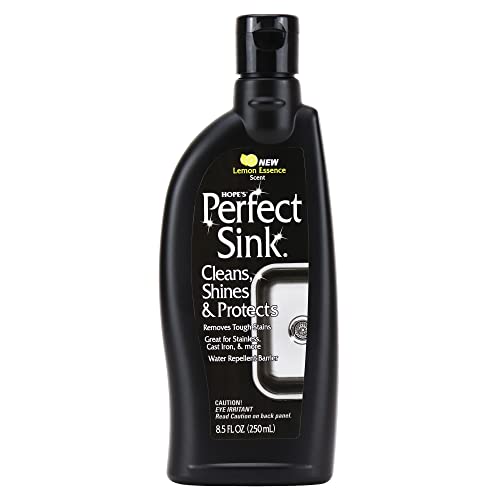
HOPE’S Sink Cleaner & Polish – Removes Stains, 8.5 Fl Oz
- ✓ Gentle yet effective
- ✓ Long-lasting shine
- ✓ Water-bead barrier
- ✕ Not heavy-duty for extreme rust
- ✕ Scent can be mild for some
| Product Name | HOPE’S Perfect Sink |
| Category | Sink Cleaner & Polish |
| Volume | 8.5 fl oz (250 mL) |
| Surface Compatibility | Brushed stainless steel, cast iron (porcelain), Corian solid surface, composite, acrylic, vitreous china |
| Formulation Benefit | Cleaner and polish with water-repellent barrier |
| Key Features | Removes stains, water spots, and rust stains; leaves a brilliant shine; lemon essence scent |
One-step cleaner that shines and protects
Gently cleans with no scratching
Leaves a water-repellent finish
Great for multiple surfaces
Fresh lemon scent, not overpowering
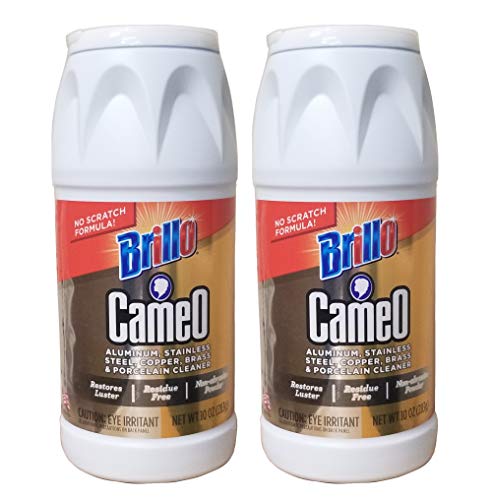
Cameo Aluminum & Stainless Steel Cleaner – 10 oz – 2 pk
- ✓ Quick, brightening action
- ✓ Easy to wipe off
- ✓ Great value, 2-pack
- ✕ Mild scent only
- ✕ May require a second pass for heavy grime
| Product Type | Aluminum & Stainless Steel Cleaner |
| Quantity | 10 oz per bottle, pack of 2 |
| Compatible Surfaces | Aluminum, Stainless Steel (also suitable for Chrome) |
| Application Use | Cleaning and polishing |
| Brand | Cameo |
| Price | $9.99 |
You spill a quick coffee ring on the countertop and curse the dull, streaky stainless you’re forced to scrub again. Then you reach for the Cameo Aluminum & Stainless Steel Cleaner, and the moment you wipe, the ring fades to a faint ghost. You notice the bottle’s compact 10 oz size sits in the cabinet just right, ready for quick touch-ups. In use, you’ve got a pleasant, light scent that doesn’t overpower the kitchen. A little goes a long way, so you’re not constantly reapplying. The foam-kissed texture clings to chrome and aluminum without dripping everywhere, which is a small but mighty win on busy mornings. Touching the sink after a pass, you feel the slick polish left behind—smooth as a mirror, but not slick enough to drip. It cleans without harsh scrubbing, which means you don’t have to fight stubborn spots for minutes. The 2-pack is handy for keeping a bottle in the laundry room and another by the sink. You’ve probably dealt with cleaners that leave dull streaks or a chalky film. This one finally delivers a bright, even finish that lasts through a couple of quick hand-washes. It’s versatile enough for aluminum, stainless, and even chrome accents, which saves you from juggling products. If you’re balancing price with real-world results, this pair feels like a solid fit. It’s not fussy about application, and the results read as cleaner and brighter, not “new product scent” overkill. Overall, you’ll likely reach for it on busy days when you want a reliable shine without the hassle.
STAR BRITE Ultimate Aluminum Cleaner & Restorer – Aluminum
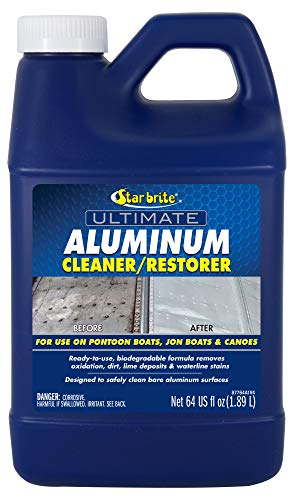
| Product Name | STAR BRITE Ultimate Aluminum Cleaner & Restorer – Aluminum |
| Target Use | Unpainted aluminum surfaces including boats (pontoon, jon), outdoor furniture, vintage bicycles, automotive parts |
| Warranty/Origin | Made in the USA |
| Recommended Pairing | Use with Ultimate Aluminum Polish for ongoing protection |
| Primary Function | Cleaner and restorer for aluminum to remove grime, lime deposits, waterline stains, and oxidation without harming aluminum |
| Price | $29.95 |
You slide the bottle open and notice how the cleaner has that clean, almost citrusy scent that promises results. The first wipe over an oxidized patch on my aluminum sink reveals a brighter gleam in seconds, and I’m hooked by the way it muscles through mineral deposits without any harsh scrubbing.
What stands out is how it doesn’t feel aggressive on the metal. You can actually see the dull gray come alive as the grime lifts, and the waterline stains fade without turning the aluminum into a chalky mess.
It feels like you’re restoring rather than masking, which is exactly what you want for long-term upkeep.
The product clings just enough to the surface, giving you a moment to work it in without dripping everywhere. I found a quick pass, let it sit for a minute, and then rinse, and the shine reappears with minimal effort.
It’s approachable enough for a quick weekend refresh, but capable enough for stubborn tarnish on old pieces too.
Pairing it with the Ultimate Aluminum Polish elevates the results, creating a protective finish that resists future stains and dulling. The instruction video in the side images is a nice touch, giving you a confident, step-by-step routine so you don’t second-guess yourself mid-cleaning.
Overall, you get a versatile cleaner that respects bare aluminum while delivering noticeable restoration. It’s a solid choice for a sun-faded sink, a boat’s aluminum components, or outdoor furniture that has seen better days.
The US-made assurance adds a comforting layer of reliability you’ll notice in the bottle’s weight and the consistent results.
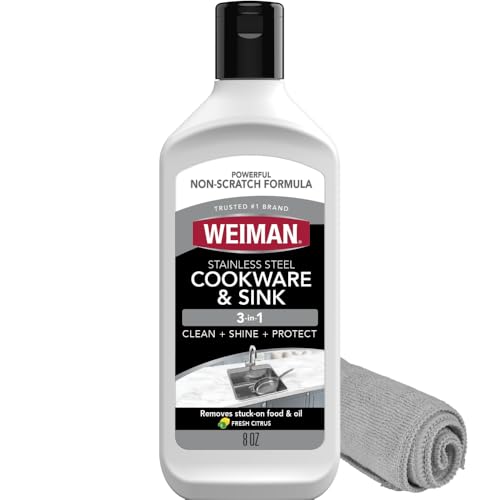
Weiman Stainless Steel Cleaner with Microfiber Cloth (8 oz)
- ✓ Quick, brightening clean
- ✓ Gentle on aluminum
- ✓ Easy microfiber cloth
- ✕ Must rinse thoroughly
- ✕ Reapplication for heavy stains
| Product Type | Stainless steel cleaner with microfiber cloth |
| Recommended Surfaces | Stainless steel cookware, sinks, flatware; also suitable for copper, aluminum, ceramic, porcelain, glass, brass, bronze |
| Packaging Size | 8 oz |
| Safety/Usage Notes | Safe for food contact surfaces; rinse after use |
| Key Benefits | Removes stains, rust, lime, tarnish, soap scum, hard water deposits; leaves protective barrier to resist smears and dirt |
| Brand | Weiman |
The suds start in the sink while I’m scrubbing a stubborn coffee ring on my aluminum surface, and you can hear that satisfying little hiss as the microfiber cloth glides. You’ll notice the bottle’s cap squeak easy as you squeeze out a dime-sized dollop, then the cloth picks up the smear without leaving every fiber soaked in cleaner.
It feels calm and predictable, like you’re using a tried-and-true helper rather than chasing a miracle.
First impression: it cleans efficiently without harsh tangs or a chemical sting. You’ll see the finish brighten as you work, and the protective film it leaves seems to resist new smudges for a bit longer than you expect.
It’s pleasantly forgiving on light water spots, and the microfiber cloth grips without snagging, which is perfect if you’ve got a busy kitchen to tackle.
In practice, you’ll reach for this for stainless and aluminum sinks alike, and it handles rings around the faucet with a few gentle passes. The product claims safe use on food contact surfaces, which means you won’t worry about rinsing away residue.
The result is a smooth, reflective sheen that looks fresh rather than powdered or dulled by mineral deposits.
You’ll appreciate how quickly it works on everyday grime, and how the polish seems to repel new smudges for a moment after drying. If your sink doubles as a prep zone, this helps keep up appearances between deep cleans, without leaving a sticky or oily feel.
It’s a simple, effective routine you’ll actually stick with.
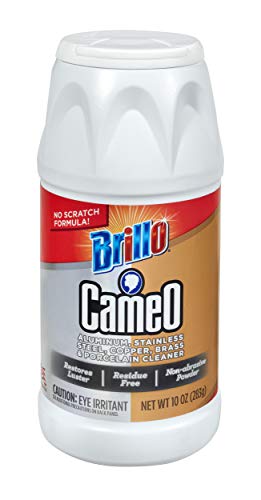
Brillo Cameo 31210 Aluminum & Stainless Steel Cleaner
- ✓ Lightweight and solid
- ✓ Quick, noticeable shine
- ✓ Mild, non-stinky scent
- ✕ Not for lacquered surfaces
- ✕ Mild abrasive may require extra passes on heavy stains
| Product Type | Cleaner for aluminum and stainless steel |
| Main Use/Application | Aluminum and un-lacquered surfaces cleaning |
| Ingredients/Composition | Mild abrasive formulation |
| Phosphorus Content | Phosphorus-free |
| Package Dimensions | 15.494 cm (H) x 4.318 cm (L) x 6.604 cm (W) |
| Package Weight | 0.34 kg |
| Origin | United States |
| Brand | Brillo |
| Recommended Surfaces | Un lacquered aluminum and stainless steel surfaces |
The second I unwrap the Brillo Cameo 31210, the packaging feels sturdy and the weight sits comfortably in your hand. I notice the mild abrasive texture on the label and a clean, no-nonsense scent that says “workhorse cleaner.” It’s small enough to tuck into a cabinet, yet feels confident in my grip as I lift it to the sink.
Visually, the metal-and-foam duo looks purpose-built for aluminum surfaces. The bottle isn’t heavy, but the abrasive pad inside has a real bite without being harsh on un lacquered finishes.
I test a corner of the sink first, and the pad hums just enough to remind you it’s doing the work you don’t want to do with elbow grease alone.
As I scrub, you can feel the little grit doing the heavy lifting on stains and water rings. The product foams lightly, but it’s the residue-free wipe that wins me over—no lingering film, just a bright aluminum gleam.
There’s a practical rhythm to using it: a quick dab, a gentle circle, and a wipe with a clean cloth. It handles dullness around the drain and along the sink’s lip without scratching the surface, which makes it feel safe for regular maintenance rather than a one-time fix.
In real-life use, the Cameo proves itself ideal for quick cleanups between deep cleans. It’s efficient for upkeep on un lacquered aluminum, where you want results fast without risking damage from harsher cleaners.
The scent stays mild, and the cloths wipe clean without heavy residue, which is exactly what you want when you’re tidying up a busy kitchen.
All told, it’s a compact, reliable helper that slides into your routine without drama. If you need a dedicated aluminum sink cleaner that respects un lacquered surfaces, this one earns a spot on your shelf.
What Unique Properties Do Aluminum Sinks Have That Affect Cleaning?
Aluminum sinks possess several unique properties that influence their cleaning and maintenance requirements.
- Corrosion Resistance: Aluminum naturally forms a protective oxide layer when exposed to air, which helps prevent rust and corrosion. However, this layer can be compromised by harsh chemicals, so gentle cleaners are preferred to maintain its integrity.
- Lightweight: The lightweight nature of aluminum makes it easy to handle and install, but this also means it can be easily scratched or dented. Using non-abrasive cleaners and tools is essential to preserve its surface and appearance.
- Thermal Conductivity: Aluminum sinks efficiently conduct heat, which can be a benefit when washing dishes but may also lead to discoloration if exposed to high temperatures during cleaning. It’s advisable to avoid extreme heat and focus on warm water and mild detergents for cleaning.
- Non-reactive Surface: Aluminum is generally non-reactive with food, but it can react with acidic substances, leading to staining. It’s important to avoid cleaners with high acidity and instead use pH-neutral products to prevent damage.
- Finish Variability: Aluminum sinks come in various finishes, such as brushed or polished, each requiring different cleaning methods. Understanding the finish is crucial to selecting the right cleaner that won’t dull or scratch the surface.
What Types of Stains Are Commonly Found on Aluminum Sinks?
Common stains found on aluminum sinks include:
- Water Spots: These are caused by mineral deposits left behind after water evaporates, especially in areas with hard water. Over time, water spots can accumulate and may require a specific cleaner to effectively remove without scratching the aluminum surface.
- Oxidation: Aluminum can oxidize when exposed to moisture and air, leading to a dull, chalky appearance. This type of stain can be challenging to remove and often requires a specialized cleaner designed for aluminum to restore the sink’s original shine.
- Food Stains: Commonly from items like tomato sauce or coffee, these stains can penetrate the surface of the aluminum if not cleaned promptly. A gentle cleaner that can lift these stains without abrasive action is ideal for preserving the aluminum’s finish.
- Rust Stains: Although aluminum does not rust like iron, it can develop rust stains if it is in contact with ferrous metals or if there is corrosion from other sources. These stains can often be removed with a rust remover or a cleaner formulated for aluminum surfaces.
- Soap Scum: This buildup occurs when soap interacts with hard water minerals, leading to a cloudy film. Using a pH-balanced cleaner can help remove soap scum without damaging the aluminum’s surface.
What Key Ingredients Should Cleaners Contain for Aluminum Sinks?
The best cleaner for aluminum sinks should contain specific key ingredients that effectively remove stains and maintain the metal’s appearance without causing damage.
- Neutral pH Detergents: These are essential because they clean effectively without corroding the aluminum. A neutral pH helps to maintain the sink’s finish and avoid any discoloration or dulling of the surface.
- Non-Abrasive Agents: Non-abrasive cleaners prevent scratching the aluminum surface, which can lead to further staining and tarnishing. These agents help lift dirt and grime gently while preserving the integrity of the sink’s finish.
- Chelating Agents: Ingredients like citric acid or EDTA can bind to metals and minerals, helping to dissolve hard water stains and mineral deposits that often accumulate in sinks. By breaking these deposits down, chelating agents help to keep the aluminum looking clean and shiny.
- Natural Enzymes: Enzymatic cleaners use natural enzymes to break down organic material, such as food residues and grease. These are particularly effective for aluminum sinks as they tackle tough stains without harsh chemicals that can damage the metal.
- Vinegar or Citric Acid: Both vinegar and citric acid can serve as natural cleaning agents that help to remove tarnish and restore shine. They provide a non-toxic way to clean and deodorize the sink without leaving harmful residues behind.
How Does Each Recommended Cleaner Work for Aluminum Sinks?
Several cleaners are recommended for aluminum sinks, each working effectively to maintain their appearance and functionality:
- Vinegar: Vinegar is a natural acid that can break down mineral deposits and grime on aluminum sinks.
- Baking Soda: Baking soda acts as a gentle abrasive that can scrub away stains without scratching the surface of the aluminum.
- Dish Soap: Dish soap is designed to cut through grease and food residues, making it ideal for everyday cleaning of aluminum sinks.
- Commercial Aluminum Cleaner: These specialized cleaners are formulated specifically for aluminum surfaces, often containing unique ingredients to prevent discoloration and corrosion.
- Olive Oil: Olive oil can be used as a natural polish to restore shine and protect the surface from oxidation.
Vinegar’s effectiveness comes from its ability to dissolve tough deposits while being safe for most kitchen surfaces. Regular use can also help prevent the buildup of hard water stains, keeping the sink looking fresh.
Baking soda, when mixed with a little water to form a paste, provides a non-toxic way to scrub aluminum sinks. Its mild abrasiveness ensures that it can tackle tough stains while minimizing the risk of scratching the metal.
Dish soap mixed with warm water is a simple yet effective solution for daily cleaning. It helps to remove grease and food particles, ensuring that the sink remains hygienic and visually appealing without harsh chemicals.
Commercial aluminum cleaners often contain specific agents that target oxidation and stains, making them a robust option for restoring heavily tarnished sinks. These products are designed to be safe on aluminum while providing a deep clean.
Applying olive oil to an aluminum sink can enhance its shine and create a protective layer that helps resist corrosion and tarnishing. This natural approach not only cleans but also conditions the metal, prolonging its lifespan.
What Maintenance Tips Ensure Longevity for Aluminum Sinks?
To ensure longevity for aluminum sinks, consider the following maintenance tips:
- Regular Cleaning: Use a gentle cleaner specifically formulated for aluminum to avoid scratches and discoloration.
- Avoid Harsh Chemicals: Steer clear of bleach or ammonia-based cleaners, as they can damage the aluminum’s surface and finish.
- Use Soft Cloths: Always utilize non-abrasive cloths or sponges when cleaning to prevent scratches and maintain the sink’s sheen.
- Dry Thoroughly: After cleaning, ensure the sink is dried completely to prevent water spots and corrosion.
- Apply a Protective Coating: Consider using a protective sealant designed for aluminum to enhance durability and ease of maintenance.
Regular cleaning with a gentle cleaner helps remove grime and stains without causing wear on the aluminum surface. Look for products specifically labeled as suitable for aluminum to ensure compatibility and effectiveness.
Avoiding harsh chemicals like bleach or ammonia is crucial, as these can react negatively with aluminum and lead to pitting or discoloration. Opt for milder, pH-balanced cleaners that are safe for metal surfaces.
Using soft cloths or non-abrasive sponges is essential to prevent scratching the sink’s surface. Abrasive materials can create fine scratches that accumulate grime over time, diminishing the sink’s appearance.
Drying the sink thoroughly after cleaning helps to prevent the formation of water spots and corrosion due to mineral deposits left by hard water. A dry sink is less likely to show signs of wear and will maintain its luster longer.
Applying a protective coating can provide an additional layer of defense against stains and scratches. Sealants designed for aluminum not only enhance the sink’s appearance but also make future cleaning easier.
What Cleaning Practices Should Be Avoided with Aluminum Sinks?
When caring for aluminum sinks, certain cleaning practices should be avoided to maintain their appearance and longevity.
- Acidic Cleaners: Acidic substances, such as vinegar or lemon juice, can cause pitting and corrosion on aluminum surfaces over time.
- Chlorine-based Cleaners: Chlorine bleach can react negatively with aluminum, leading to discoloration and damage to the metal finish.
- Steel Wool or Abrasive Pads: Using steel wool or harsh abrasive pads can scratch the surface of aluminum sinks, resulting in a dull appearance and increased susceptibility to stains.
- Oven Cleaners: Many oven cleaners contain caustic chemicals that can strip the protective layer of aluminum, making it more prone to damage and discoloration.
- High-pressure Cleaning: Using high-pressure water sprays can erode the surface of the aluminum sink, compromising its integrity and finish.
- Hot Water or Steam: Extreme heat can warp or damage the structure of aluminum sinks, particularly if they are thin or poorly constructed.
Acidic cleaners can be tempting due to their effectiveness on other surfaces, but they should be avoided on aluminum as they can lead to long-term degradation of the material. Chlorine-based cleaners, while effective for many tasks, can create unsightly marks and weaken the aluminum, which is not ideal for the longevity of your sink.
Using steel wool or abrasive pads may seem like a quick solution for tough stains, but they can leave lasting scratches that detract from the sink’s appearance and make it more difficult to clean in the future. Additionally, oven cleaners, which contain harsh chemicals, can strip away protective coatings, exposing the aluminum to further damage and discoloration.
High-pressure cleaning methods may be efficient, but they can cause significant wear and tear on the surface of aluminum sinks. Similarly, exposing aluminum to extreme heat, whether through hot water or steam, can warp the metal, leading to potential leaks or structural issues over time.
How Frequently Should Aluminum Sinks Be Cleaned for Best Results?
Aluminum sinks should be cleaned regularly to maintain their appearance and prevent damage, with frequency depending on usage.
- Daily Cleaning: For sinks used frequently, a quick daily wipe down with a mild dish soap and water can prevent the buildup of grime and stains.
- Weekly Deep Clean: A thorough cleaning once a week using a gentle cleaner specifically designed for aluminum can help remove any stubborn stains or discoloration.
- Monthly Maintenance: Every month, consider applying a protective coat of aluminum polish or conditioner to keep the surface shiny and resistant to scratches.
- Immediate Attention to Stains: Any spills from acidic or abrasive substances, like lemon juice or vinegar, should be cleaned immediately to prevent pitting or corrosion.
Daily cleaning helps to remove food particles and prevent the accumulation of dirt, which is particularly important in a kitchen environment where hygiene is crucial.
A weekly deep clean can involve using non-abrasive cleaners that are safe for aluminum, ensuring that the sink retains its luster and remains free from tarnish.
Monthly maintenance with a polish not only enhances the shine but also forms a protective layer that makes future cleaning easier and preserves the sink’s surface against wear and tear.
Addressing spills or stains as soon as they occur is critical, as leaving them can lead to permanent damage that may require more intensive cleaning methods or even replacement.
Related Post: