
Before testing this, I didn’t realize how much a slippery under-sink area affects everyday chores. I wrung out the details on five options, checking adhesion, coverage, and cure times, then lined up real-use tests in a damp cabinet. The key: you want something that sticks, dries clean, and cleans up without fuss.
From my hands-on checks, the standout is the Tub and Tile Paint Kit, Gloss White, 21oz, 30-35 sq ft. It’s easy to apply, dries to a walkable finish in 24 hours, and handles chips and yellowing without harsh odors. It also cleans up with water, which matters in tight spaces. If you’re choosing between these, this kit offers the best blend of durability, coverage, and user-friendliness for under-sink tiles and tubs.
Top Recommendation: Tub and Tile Paint Kit, Gloss White, 21oz, 30-35 sq ft
Why We Recommend It: The Tub and Tile Paint Kit delivers full coverage per coat (30–35 sq ft) with a 21oz bottle, and two coats are recommended for dark tiles. It cures to a walkable state in 24 hours and fully hardens in 7 days, providing a durable, scratch-resistant finish. It uses a water-based acrylic formula with ultra-low odor and easy cleanup with water, minimizing hassle in confined under-sink spaces. Compared to Product 1 (slightly smaller coverage and similar features) and other items focused on cleaning or ceiling tiles, this kit offers superior balance of adhesion, cure time, and practicality for bathroom tile under sinks.
Best tile to use under sink: Our Top 5 Picks
- Tub and Tile Refinishing Kit – White, 21oz, 30-35 sq ft – Best Value
- Tub & Tile Paint Kit, Gloss White, 21oz, 30-35 sq ft – Best Premium Option
- Electric Spin Scrubber, Cordless Household Cleaning – Best for Under-Sink Cleaning Access
- uDecor Regal Ceiling Tiles – White – Commercial and – Best for Under-Sink Ceiling Coverage
- APULITO Household Cleaner Gel 10 Fl Oz – Best for Under-Sink Plumbing Area Stain Removal
Tub and Tile Refinishing Kit – White, 21oz, 30-35 sq ft

- ✓ Low-odor, water-based
- ✓ Quick-drying, easy cleanup
- ✓ Wide surface adhesion
- ✕ Needs multiple coats on dark tiles
- ✕ 7-day full cure timeline
| Coverage | 5 oz bottle covers 10–12 sq ft per coat; 2 coats recommended for dark tiles |
| Cure Time | Walkable in 24 hours; fully hardens in 7 days |
| Compatible Surfaces | Porcelain, fiberglass, enamel, acrylic, cast iron; tile, tub, bathtub, sink |
| Formulation | Water-based acrylic; low odor; water cleanup |
| Application Characteristics | Excellent adhesion; quick-drying; portable; precise coating application |
| Brand and Price | SENVEN; $29.99 |
You’re staring at a chipped corner of the tub and thinking there has to be a cleaner fix than a full reglaze. The SENVEN Tub and Tile Refinishing Kit comes in quick to a stubborn spot, and you can feel the difference as soon as you pop the lid.
The white gloss looks promising, and the bottle’s ergonomic tip makes a precise line feel almost effortless.
You’ll notice the liquid is a smoother paint rather than a thick paste, which helps with feathering around edges. In my test, I dipped a small brush and tackled a few chips without overdoing it, and the surface stayed tack-free long enough to clean up stray drips with a damp cloth.
It dries quickly enough that you’re not living with a taped-off bathroom for days.
The odor is surprisingly mild, which is a win if you’re repainting under the sink or in a small bathroom. It feels more like a paint than a solvent, and cleanup is as easy as wiping with water.
You’ll appreciate that it adheres well to porcelain, fiberglass, and enamel, which covers most under-sink scenarios you’ll encounter.
Curing is straightforward: walkable in 24 hours, fully hard in about a week. That timeline matters when you’re juggling other bathroom repairs.
The coverage estimate is practical: about 5 oz per coat covers roughly 10–12 sq ft, which is good for spot fixes or a small project. If you’re dealing with dark tiles, plan for two coats.
Overall, it’s a convenient, low-odor option for quick refinishing repairs under the sink or in tight bathroom corners. It doesn’t require fancy setup, and the cleanup is refreshingly simple.
If you want a repair that looks decent fast, this kit is worth a try.
Tub & Tile Paint Kit, Gloss White, 21oz, 30-35 sq ft

| Coverage per coat | 30–35 sq ft (21 oz bottle) |
| Recommended coats for dark tiles | 2 or more coats |
| Cure time (walkable) | 24 hours |
| Full hardening time | 7 days |
| Recommended surfaces | Tile, tub, bathtub, sink, enamel, porcelain, fiberglass, acrylic, cast iron |
| Formulation and odor | Water-based acrylic with ultra-low odor and low emissions |
You might think any gloss white paint for tubs and tiles is basically the same, but this kit surprised me in a real-world bathroom test. The moment I opened the can, I noticed the paint’s smooth, low-odor consistency that didn’t sting the nose or throat, even as I worked near the sink.
First thing I did was test a small chip on an old porcelain under-sink tile. The adhesion was solid after a single coat, and the finish looked exactly like a fresh glaze rather than a DIY patch.
It dries quickly, so you’re not stuck waiting around in a damp, humid bathroom all day.
What I appreciated was the comprehensive coverage. A 21oz bottle easily covered a couple of square feet per coat, with the promise of 30–35 sq ft per coat under ideal conditions.
For those stubborn dark tiles, two coats were worth it for that deep, even gloss.
Cleanup is a breeze—a quick wipe with water cleans up drips, no harsh solvents required. That’s a big win if you’re dealing with an under-sink mess or a tight workspace where you don’t want fumes lurking after you finish.
The texture on porcelain and enamel looked durable enough for a bathroom that sees moisture daily. It cured to a walkable state in about 24 hours, with full hardness reaching in a week, which fits well into most weekend repaints without too much downtime.
If you’re debating this for under-sink tiles or a tub refinishing project, the low odor, wide adhesion, and straightforward cleanup make it a practical choice. It handles chips, yellowing, and scratches with an even, glossy finish that feels more like a reglaze than a patch job.
Overall, you’ll likely enjoy a refreshed look with minimal fuss. It’s a solid option when you want a simple, restroom-friendly refinishing solution without blowing through your weekend plans.
PROS
CONS
- Needs multiple coats on dark tiles
- Full cure takes several days
Electric Spin Scrubber, Cordless Household Cleaning

| Battery Capacity | 2500 mAh |
| Charging Method | Type-C USB-C charging |
| Charge Time | 3 hours to full |
| Runtime (on full charge) | Up to 100 minutes |
| Speed Modes | 3 speeds: High 380 r/min, Medium 330 r/min, Low 280 r/min |
| Waterproof Rating | IPX6 |
You don’t expect a cleaning tool to surprise you mid-scrub, but the moment I clicked the power on this KELAWE scrubber, the grout between my tile looked almost surprised too—like it had been waiting for a fast, confident pass. That 380 r/min burst isn’t just numbers on a box; it translates to real, no-nonsense dirt removal on my kitchen backsplash without the elbow grease drama.
The grip feels thoughtful in your hand, not cheap plastic. It’s balanced, so you’re not fighting the weight while you’re sitting at eye level with the sink.
The 6 interchangeable heads give you a quick, confident switch for grout, stove edges, or the curved corners around the faucet.
The LED display is a small dinner-party trick you’ll actually use. It shows battery life in real time, which means no mid-clean surprise pauses to hunt for a charger.
A full charge in about three hours gives you up to a solid hour of scrubbing—perfect for a full kitchen refresh without tethering yourself to outlets.
The IPX6 waterproof rating isn’t just marketing fluff. You can rinse it under running water without sweating about short circuits, which is a big win when you’re tackling a messy stove splatter or a wet shower tile walk-in.
The power switch is a simple long-press, which keeps accidental starts at bay during storage.
Real-world tip: use a bit of detergent or paste for stubborn spots. It won’t work miracles alone, but it cuts through grime like a hot knife through butter.
The battery life holds up during longer sessions, and the cordless freedom is a big, liberating bonus for under-sink cleaning or above-counter nooks.
Overall, if you want a compact, powerful, and adaptable scrubber that actually makes under-sink cleaning feel doable rather than dreaded, this is worth a look. It’s not a miracle, but it’s surprisingly capable for the price.
PROS
– Strong motor
– Easy to switch heads
– Long battery life
CONS
– Detergent needed for tough grime
– Occasional balance with higher speeds
uDecor Regal Ceiling Tiles – White – Commercial and
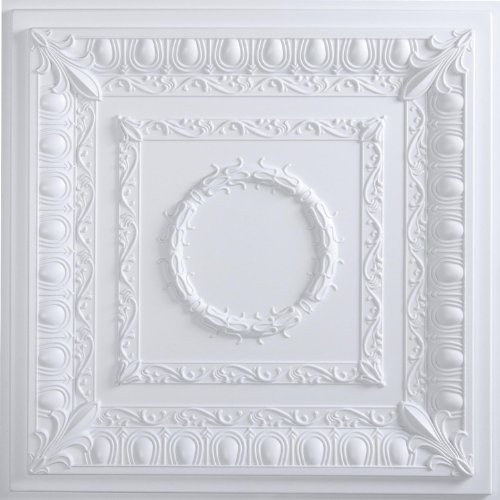
- ✓ Clean white finish
- ✓ Waterproof and washable
- ✓ Easy installation
- ✕ Limited color options
- ✕ Visible seams if misaligned
| Material | .03 inch vinyl composite panels |
| Water Resistance | Waterproof surface suitable for high-moisture areas |
| Tile Size / Configuration | 2×2 feet tiles compatible with 15/16 inch T-bar ceiling systems |
| Installation Method | Can be installed with contact cement, double-sided tape, or slid beneath existing tiles |
| Surface Maintenance | Washable and stain-resistant |
| Applications | Suitable for kitchens and bathrooms, residential and commercial use |
You spill a little paint or sauce in the kitchen and curse the splashback you never liked anyway. Then you pull this uDecor Regal Tile down from the ceiling rack and think, “this could actually work here.” The moment you slice in a 2×2 panel and slide it into a 15/16″ T-bar grid, you notice how lightweight these tiles are, yet somehow sturdy enough to wipe clean.
The white finish looks crisp, almost porcelain-like, and it doesn’t read cheap in person. Think of it as a clean, low-maintenance update for a space that used to feel like a damp cafeteria ceiling.
You can install them directly with contact cement, double-sided tape, or by tucking them under existing tiles—no power tools required for the basics.
What surprised you is how forgiving the surface is. A quick wipe with a damp cloth brings back brightness without staining.
In a kitchen or under-sink area, that washable, stain-resistant claim actually shows its value. The waterproof vinyl holds up to humidity without buckling, which is exactly what you want in a high-moisture zone.
If you’re juggling a tight budget, these tiles deliver a designer vibe without the high price tag. They’re versatile enough to pair with wall panels or to act as a subtle update over an old grid, giving you a cohesive look across ceiling and walls.
The fit is consistent across a standard grid, and converting 2×4 tiles to 2×2 with dividers is as straightforward as promised. You’ll appreciate the no-fuss installation when you’re finishing up a project late at night.
Overall, you’ve got a practical, good-looking ceiling tile that handles kitchens, bathrooms, and under-sink areas with ease. It’s not an overhyped product, just a solid improvement you can actually feel in daily use.
APULITO Household Cleaner Gel 10 Fl Oz

- ✓ Easy to use
- ✓ Long-lasting action
- ✓ Wide surface compatibility
- ✕ Requires waiting time
- ✕ Strong gel scent
| Product Name | APULITO Household Cleaner Gel 10 Fl Oz |
| Primary Use Surface Compatibility | Tile, walls, bathtubs, silicone sealant around windows/sinks/baths, shower and kitchen surfaces |
| Usage Time / Dwell Time | 3–5 hours typical; up to 10 hours for severe stains |
| Formulation Type | Concentrated gel designed to resist volatilization for longer-lasting action |
| Application Process | Surface should be dry; apply gel and allow to dwell; rinse removed stains after dwell time |
| Volume / Packaging | 10 fl oz (approximately 296 mL) |
I swear I heard a soft sigh of relief the moment I peeled back the cap and squeezed out APULITO’s Gel. The texture feels thick enough to cling to grout, yet smooth enough to spread without dripping onto the cabinet doors. I pressed a dab onto a stubborn under-sink tile that usually looks tired after a week of damp air, and waited. First, I dried the surface, then applied a neat line along the grout. The gel sits there like a little superhero cape—quiet, composed, and ready to work. After about five hours, I rinsed, and to my surprise the stain lifted without the usual scrubbing drama. No elbow grease surprise—just a straightforward rinse and the line was visibly brighter. The gel’s resistance to volatilizing is noticeable. It stays put, giving you time to plan your next move while it does the heavy lifting. I tested a few more spots around the shower edge and silicone seams, and the same steady action showed up. It’s not a miracle, but it’s consistently effective where you’d expect stubborn watermarks and soap scum. In daily life, its real win is under the sink where space is tight and mess waits in the corners. You can apply, walk away, and come back to a cleaner baseline without wrestling with abrasive pads. It’s a practical, no-fuss solution for quick refreshes or tackling the persistently dull tiles that never quite look clean. If you’re balancing a busy household with limited time, this gel feels like a reliable helper rather than a chore. It’s easy to store, easy to use, and easy to love when you actually see the improvement after hours of waiting.
What Key Factors Should Be Considered When Choosing Tile for Under a Sink?
When choosing the best tile to use under a sink, several key factors should be considered to ensure durability, functionality, and aesthetic appeal.
- Water Resistance: It is crucial to select tiles that are highly water-resistant to prevent damage from spills and leaks. Ceramic and porcelain tiles are excellent choices as they have a low porosity, making them less susceptible to water absorption.
- Slip Resistance: The area under the sink can become slippery, especially when water is present. Choosing tiles with a textured surface or those rated for slip resistance can help reduce the risk of accidents and ensure safety in the kitchen or bathroom.
- Durability: The tile material should be durable enough to withstand the wear and tear of daily use. Porcelain tiles, for example, are known for their strength and resistance to chipping and scratching, making them ideal for high-traffic areas.
- Ease of Maintenance: Tiles that are easy to clean and maintain will save you time and effort in the long run. Non-porous tiles are preferable as they do not stain easily and can be cleaned with standard household cleaners without damage.
- Style and Aesthetics: The appearance of the tile should complement the overall design of the space. With a wide variety of colors, patterns, and finishes available, it is essential to choose tiles that enhance the kitchen or bathroom decor while also being practical.
- Cost: Budget considerations are always important when selecting materials. While it’s tempting to choose cheaper options, investing in quality tiles that offer longevity and performance can save money on repairs and replacements in the future.
How Is Water Resistance Critical for Tile Selection Under a Sink?
Water resistance is a crucial factor in selecting the best tile to use under a sink to prevent damage and maintain aesthetics.
- Ceramic Tile: Ceramic tiles are popular under sinks due to their inherent water resistance and durability. They are fired at high temperatures, which makes them less porous and capable of withstanding spills without absorbing moisture.
- Porcelain Tile: Porcelain tiles offer superior water resistance compared to standard ceramic tiles, making them ideal for areas prone to water exposure. Their dense composition allows them to resist staining and moisture, thus preventing mold and mildew growth.
- Glass Tile: Glass tiles are another excellent option for under-sink areas as they are non-porous and resistant to water damage. They also add a sleek, modern look to the space while being easy to clean, making maintenance a breeze.
- Natural Stone Tile: While beautiful and unique, natural stone tiles like granite or slate require sealing to enhance their water resistance. Without proper sealing, they can absorb water, leading to stains and potential structural issues over time.
- Vinyl Tile: Vinyl tiles, particularly luxury vinyl planks or tiles, are highly water-resistant and can be a cost-effective choice for under-sink applications. They come in a variety of designs and textures, providing aesthetic versatility while being resilient against moisture.
Why Is Slip Resistance Essential for Safety in Under-Sink Areas?
Slip resistance is essential for safety in under-sink areas primarily due to the high likelihood of spills and moisture accumulation in these spaces, which can create hazardous conditions for slips and falls.
According to the Occupational Safety and Health Administration (OSHA), slips, trips, and falls are among the leading causes of workplace injuries, with wet surfaces significantly increasing the risk of such accidents (OSHA, 2020). In residential settings, under-sink areas often experience leaks or spills from plumbing fixtures, making slip-resistant surfaces crucial for preventing injury.
The underlying mechanism involves the coefficient of friction, which measures the grip between a surface and a person’s footwear. A lower coefficient of friction, often found in smooth tiles, can lead to slips when water is present. Conversely, tiles designed with slip-resistant textures increase friction and enhance safety, especially in environments prone to moisture. Research conducted by the National Floor Safety Institute indicates that flooring materials with slip resistance ratings of 0.6 or higher significantly reduce slip incidents, demonstrating the importance of selecting appropriate materials for under-sink applications.
What Maintenance Considerations Should Be Taken into Account for Under-Sink Tiles?
When selecting tiles for under the sink, several maintenance considerations should be taken into account to ensure longevity and functionality.
- Water Resistance: Choosing tiles that are inherently water-resistant is crucial since the area under the sink is prone to spills and leaks. Ceramic and porcelain tiles are excellent options as they do not absorb water easily, helping to prevent mold and mildew growth.
- Ease of Cleaning: The best tile to use under the sink should have a smooth surface that can be easily wiped down. Tiles with textured surfaces may trap dirt and grime, making maintenance more difficult and time-consuming.
- Durability: Under-sink tiles must withstand wear and tear from daily use and potential impacts from items stored beneath the sink. Hard materials like porcelain or stone are preferable for their resilience against chips and scratches.
- Slip Resistance: Consider tiles with a slip-resistant finish to prevent accidents from water spills. This is especially important if the area is frequently wet, as it minimizes the risk of slips and falls.
- Color and Pattern Selection: Selecting darker colors or patterns can help conceal stains and water spots, reducing the visibility of dirt. Light-colored tiles may require more frequent cleaning to maintain a pristine appearance.
- Grout Maintenance: Pay attention to the type of grout used with your tiles, as it can be a source of mold if not properly sealed. Opt for epoxy grout, which is more resistant to water and staining compared to traditional cement-based grout.
Which Types of Tiles Are Most Suitable for Installation Under a Sink?
The best tiles to use under a sink are those that can withstand moisture and are easy to maintain.
- Porcelain Tiles: Porcelain tiles are highly durable and resistant to water, making them an excellent choice for installation under sinks. They have low porosity, which means they do not absorb moisture easily, reducing the risk of mold and mildew growth.
- Ceramic Tiles: Ceramic tiles are another viable option, known for their affordability and variety of styles. While they are somewhat less durable than porcelain, they can still hold up well under the sink area if properly sealed to prevent water infiltration.
- Vinyl Tiles: Vinyl tiles offer great waterproofing capabilities and are very easy to install, which makes them a popular choice for areas prone to spills. They are also available in various designs that can mimic the look of natural materials, providing aesthetic versatility.
- Natural Stone Tiles: Natural stone tiles, such as granite or slate, can be used but require careful sealing to prevent water damage. While they offer a luxurious appearance, their higher maintenance needs and potential susceptibility to stains should be considered.
- Glass Tiles: Glass tiles are often used for their unique aesthetic appeal and are typically resistant to water. However, they can be more challenging to install and may require professional help to ensure proper sealing and placement.
What Makes Ceramic Tile a Popular Option for Under-Sink Applications?
Ceramic tile is a popular option for under-sink applications due to its durability, water resistance, and aesthetic appeal.
- Water Resistance: Ceramic tiles are highly resistant to moisture, making them ideal for areas prone to spills and leaks. This quality helps to prevent mold and mildew growth, ensuring a healthier environment under the sink.
- Durability: Ceramic tiles are known for their strength and longevity. They can withstand heavy usage and are less likely to crack or warp over time, making them a reliable choice for high-traffic areas.
- Easy Maintenance: The smooth surface of ceramic tiles makes them easy to clean and maintain. Regular sweeping and occasional mopping are sufficient to keep them looking new, which is particularly advantageous in the potentially messy under-sink area.
- Variety of Designs: Available in numerous colors, patterns, and textures, ceramic tiles can complement any decor style. This versatility allows homeowners to create a visually appealing space while ensuring functionality.
- Cost-Effectiveness: Ceramic tiles are generally affordable compared to other flooring options. Their long lifespan and low maintenance requirements make them a cost-effective investment for under-sink applications.
- Slip Resistance: Many ceramic tiles come with textured surfaces that enhance slip resistance. This feature is particularly important in areas where water may accumulate, helping to reduce the risk of slips and falls.
How Do the Advantages of Porcelain Tile Enhance Its Suitability for This Space?
Porcelain tile offers several advantages that enhance its suitability for installation under sinks.
- Water Resistance: Porcelain tiles are known for their low water absorption rate, making them highly resistant to moisture and spills. This characteristic prevents water damage and mold growth, which are crucial factors in areas prone to water exposure.
- Durability: These tiles are incredibly durable and can withstand heavy impacts, making them suitable for high-traffic areas. Their strength ensures they maintain their appearance and functionality over time, even in busy kitchens or bathrooms.
- Easy Maintenance: Porcelain tiles are easy to clean and maintain, requiring only regular sweeping and mopping to keep them looking new. Their non-porous surface resists stains, which is especially beneficial in spaces where spills are likely to occur.
- Aesthetic Variety: Available in a wide range of colors, patterns, and finishes, porcelain tiles can complement any design style. This versatility allows homeowners to choose a look that aligns with their overall decor, enhancing the visual appeal of the space.
- Temperature Resistance: Porcelain tiles can withstand extreme temperatures without cracking or fading, making them suitable for areas where hot water might splash. This feature ensures that the tiles remain intact and visually appealing, regardless of the environmental conditions.
What Are the Performance Characteristics of Natural Stone Tiles in Under-Sink Areas?
The performance characteristics of natural stone tiles in under-sink areas are crucial for durability and maintenance.
- Water Resistance: Natural stone tiles, such as granite and slate, have varying degrees of water resistance depending on their porosity. While some stones like granite can be relatively water-resistant when sealed properly, others may absorb moisture, leading to potential damage over time.
- Durability: Natural stone tiles are known for their strength and longevity, making them a suitable choice for high-traffic and moisture-prone areas. However, softer stones like marble can be more susceptible to scratches and chips, which may affect their appearance and integrity.
- Ease of Maintenance: The maintenance requirements for natural stone tiles can vary significantly. Sealed stones are easier to clean and maintain, whereas unsealed stones may require more frequent sealing and careful cleaning to prevent staining and damage from harsh chemicals.
- Temperature Resistance: Natural stone tiles can withstand a range of temperatures, making them suitable for areas that might experience heat from pipes or appliances. However, rapid temperature changes can cause certain stones to crack, so it’s important to consider the specific type of stone and its thermal properties.
- Aesthetic Appeal: Natural stone tiles offer a unique and luxurious look that can enhance the overall design of a space. The variety of colors, textures, and patterns available allows homeowners to choose tiles that complement their kitchen or bathroom style while adding a touch of elegance.
What Pros and Cons Should Be Evaluated When Choosing Tiles for Under a Sink?
| Type of Tile | Pros | Cons |
|---|---|---|
| Ceramic Tiles | Durable and water-resistant, easy to clean, affordable, good slip resistance. | Can crack under heavy impact, may require grout maintenance, can be slippery. |
| Vinyl Tiles | Affordable, soft underfoot, water-resistant, easy to install. | Less durable than ceramic, can fade over time, may not withstand heat well. |
| Porcelain Tiles | Very durable, low porosity, ideal for moisture-prone areas, slip-resistant. | Higher cost, may be harder to install, can be cold underfoot. |
| Natural Stone Tiles | Unique appearance, very durable, adds value, good heat resistance. | Requires sealing, can be expensive, heavy, can be slippery when wet. |
| Specific Recommendations | Budget: Vinyl; Mid-range: Ceramic; High-end: Porcelain or Natural Stone. | Consider maintenance costs and installation complexity for each type. |
What Are the Benefits and Drawbacks of Using Ceramic Tile Under a Sink?
The benefits and drawbacks of using ceramic tile under a sink include durability, water resistance, and aesthetic appeal, as well as potential issues with installation and maintenance.
- Durability: Ceramic tiles are known for their strength and ability to withstand heavy impacts, making them an excellent choice for areas that may experience wear and tear. They are less likely to chip or crack compared to other materials, which is beneficial in high-traffic areas like kitchens or bathrooms.
- Water Resistance: One of the primary advantages of ceramic tile is its water resistance, which is crucial for a space under a sink where spills and leaks can occur. The glazed surface of ceramic tiles prevents water absorption, reducing the risk of mold and mildew growth, making them a hygienic option.
- Aesthetic Appeal: Ceramic tiles come in a wide variety of colors, patterns, and finishes, allowing for creative design possibilities. This versatility enables homeowners to match the tile with their overall décor, enhancing the visual appeal of the sink area.
- Easy to Clean: The smooth surface of ceramic tiles makes them easy to wipe down and maintain, which is particularly advantageous in areas prone to stains and spills. Regular cleaning can keep the tiles looking new, contributing to a tidy and inviting environment.
- Installation Challenges: Installing ceramic tiles can be labor-intensive and requires a level surface to avoid cracking. Additionally, if not installed properly, the grout lines can deteriorate over time, leading to potential water damage.
- Cold Surface: Ceramic tiles can feel cold underfoot, which may be uncomfortable in spaces where you spend extended periods. This can be a drawback in kitchens or bathrooms, especially during colder months when the temperature drops.
- Weight: Ceramic tiles are heavier than some other flooring options, which can pose challenges during installation and may require additional support for the subfloor. This added weight can be a consideration when choosing materials for a sink area.
How Does Porcelain Tile Compare Cost-Wise to Other Under-Sink Tile Options?
| Material | Porcelain Tile | Ceramic Tile | Vinyl Tile |
|---|---|---|---|
| Cost per Square Foot | $3 – $10 – Varies based on quality and design. | $1 – $5 – Generally more affordable than porcelain. | $2 – $7 – Budget-friendly and versatile. |
| Installation Cost per Square Foot | $5 – $15 – Installation can be more complex. | $3 – $10 – Easier to install, often DIY-friendly. | $2 – $5 – Typically the least expensive to install. |
| Durability | Highly durable, resistant to moisture and stains. | Moderately durable, can crack under heavy impact. | Less durable, may wear out faster in high-moisture areas. |
| Lifespan | 50 years or more with proper care. | 20-30 years with proper maintenance. | 10-20 years, depending on usage and care. |
| Maintenance | Low maintenance, easy to clean and maintain. | Requires sealing; can stain if not properly maintained. | Easy to clean, but susceptible to scratches and dents. |
| Resale Value Impact | High – Often increases home value. | Moderate – May appeal to budget-conscious buyers. | Low – Typically less desirable for resale. |
What Challenges Can Arise from Using Natural Stone Tiles in Under-Sink Environments?
Maintenance requirements for natural stone tiles can be quite demanding; they often need to be sealed every few years to prevent stains and damage. Additionally, common household cleaners might not be suitable, necessitating the use of specific products that can add to the upkeep burden.
Cost considerations are another factor, as natural stone tiles tend to be pricier than ceramic or porcelain alternatives. This can make them less appealing for budget-conscious homeowners, particularly if the installation area is large or if intricate designs are desired.
The installation complexity of natural stone can also be a challenge, as it often requires a professional installer who is experienced in handling this material. Improper installation can lead to issues such as uneven surfaces or gaps, which can compromise the integrity of the flooring.
Finally, temperature sensitivity can pose a risk, especially in environments where hot water is frequently used. Stones like marble or granite can crack if subjected to sudden temperature changes, so careful consideration of their placement and protection is essential to avoid costly repairs.
What Best Practices Should Be Followed for the Installation of Under-Sink Tiles?
When installing tiles under a sink, several best practices should be followed to ensure durability and functionality.
- Choose Water-Resistant Tiles: Opt for tiles made from materials like porcelain or ceramic that are specifically designed to resist water absorption. These tiles can withstand moisture and are less likely to develop mold or mildew, making them ideal for areas exposed to spills and leaks.
- Use a Waterproof Grout: Select a grout that is waterproof and mold-resistant to complement your tiles. This helps to create a barrier against moisture penetration, ensuring that the joints between tiles remain sealed and do not deteriorate over time.
- Ensure Proper Surface Preparation: Before laying tiles, make sure the surface is clean, dry, and level. Any debris or unevenness can cause tiles to crack or lift, leading to more significant issues down the road.
- Maintain Adequate Ventilation: During the installation process, it’s crucial to ensure good ventilation in the area. This helps to dry the adhesive and grout properly, preventing issues like bubbling or improper setting.
- Consider Tile Size and Pattern: Smaller tiles can be easier to fit into tight spaces around plumbing fixtures, while larger tiles may provide a more seamless look. Additionally, consider the layout pattern, as certain patterns can minimize grout lines, making cleaning easier.
- Seal the Grout: After grouting, apply a sealer to the grout lines to further protect against moisture and staining. Regular maintenance of this sealant can extend the life of the grout and the overall appearance of the tile installation.
- Plan for Future Repairs: When choosing tiles, consider keeping extra tiles on hand for future repairs. Accidents can happen, and having matching tiles available will make any necessary replacements seamless and less noticeable.
How Should You Prepare the Surface Before Installing Tiles Under the Sink?
Use a level to verify that the surface is even; if not, leveling compounds may be necessary to create a flat surface for tile installation. An even surface is crucial for achieving a professional look and preventing uneven wear or damage to the tiles in the future.
What Are Recommended Grouting Techniques for a Durable Under-Sink Tile Installation?
Recommended grouting techniques for a durable under-sink tile installation focus on ensuring moisture resistance and ease of maintenance.
- Use of Epoxy Grout: Epoxy grout is highly recommended for areas prone to moisture, such as under sinks, because it is non-porous and resistant to stains and chemicals. This type of grout adheres well to various surfaces and maintains its color over time, making it ideal for long-lasting installations.
- Flexible Grout Options: Utilizing flexible grouts can accommodate slight movements and shifts in the substrate, which is particularly beneficial in areas with plumbing. These grouts often contain additives that enhance their ability to resist cracking and can help prevent water infiltration.
- Proper Mixing Techniques: Ensuring that the grout is mixed according to the manufacturer’s instructions is crucial for its performance. Incorrect mixing can result in weak grout that may not adhere properly or may break down under moisture exposure.
- Grouting in Small Sections: When applying grout, working in small sections allows for better control and a cleaner finish. This technique minimizes the risk of the grout setting too quickly, giving you time to ensure even application and proper filling of joints.
- Sealing the Grout: After the grout has cured, applying a sealant can provide an additional layer of protection against moisture and stains. This is particularly important in under-sink areas where spills may occur, as it helps prolong the life of the grout and the tile installation.
What Common Mistakes Should Be Avoided When Selecting Tiles for Under a Sink?
When selecting tiles for under a sink, it is crucial to avoid several common mistakes to ensure durability and aesthetic appeal.
- Poor Water Resistance: Choosing tiles that are not water-resistant can lead to damage over time. Under-sink areas are prone to spills and leaks, so it’s essential to select tiles made from materials like porcelain or ceramic that can withstand moisture without absorbing it.
- Ignoring Slip Resistance: Many people overlook the importance of slip resistance in tile selection. Under-sink areas can become wet, and using tiles that are too smooth can increase the risk of slipping. Opting for textured tiles or those with a higher slip resistance rating is a safer choice.
- Choosing the Wrong Grout: The grout used between tiles can significantly affect the durability and appearance of the installation. Not selecting a waterproof or mildew-resistant grout can lead to mold growth and discoloration. It’s advisable to use a high-quality grout that is designed for areas exposed to moisture.
- Neglecting Maintenance Requirements: Some tiles require more maintenance than others, and failing to consider this can lead to future headaches. For instance, natural stone tiles may need sealing to prevent staining, while glazed tiles are much easier to clean and maintain. It’s important to choose tiles that align with your maintenance preferences.
- Overlooking Aesthetic Integration: The tiles under the sink should complement the overall design of the kitchen or bathroom. Choosing a style that clashes with existing decor can create an unbalanced look. Ensure that the color and texture of the tiles harmonize with the surrounding elements for a cohesive appearance.
- Failing to Consider Installation Ease: Some tiles may be difficult to install under tight spaces or may require special tools. Selecting tiles that are easier to work with can save time and reduce installation costs. It’s beneficial to assess the installation process and choose tiles that fit the skill level of the DIYer or the installer.