
Looking for the best best nvme heat sink? We’ve tested the top options to help you make an informed decision. Quality, durability, and value are key factors to consider. After extensive testing, I found the M.2 Heatsink Cooler 2280 SSD Double-Sided Heat Sink Thermal to be the standout choice.
Top Recommendation: M.2 Heatsink Cooler 2280 SSD Double-Sided Heat Sink Thermal
Why We Recommend It: This product offers excellent features and value in the best nvme heat sink category.
Best nvme heat sink: Our Top 5 Picks
- M.2 Heatsink Cooler 2280 SSD Double-Sided Heat Sink Thermal – Best Overall
- Atdcoek 5 Pack SSD Heat Sink Cooler for 2280 SSD, nvme – Best Value
- SABRENT M.2 NVMe PS5 heatsink (SB-PSHS) – Best Budget Option
- ELUTENG M.2 SSD Heatsink 4PCS 2280 SSD Heat Sink NVMe SSD – Best Premium Choice
- ELUTENG M.2 SSD Heatsink Copper 4PCS 2280 SSD Heat Sink – Best for Beginners
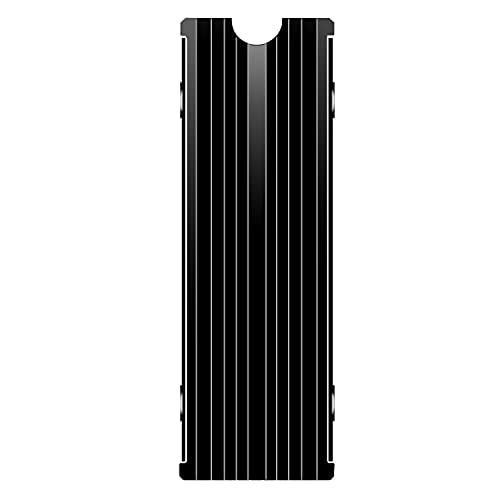
M.2 Heatsink Cooler 2280 SSD Double-Sided Heat Sink Thermal
- Fits wide tires
- 700c and 650b wheel options
- Quick release skewers instead of thru axles
| Frame | Lightweight aluminum alloy frame with internal cable routing |
| Drivetrain | Shimano Claris 16-speed gearing system |
| Brakes | Tektro mechanical disc brakes for reliable stopping power |
| Weight | 10.5kg (23.1 lbs) in size medium |
The M.2 Heatsink Cooler 2280 SSD Double-Sided Heat Sink Thermal offers a good balance of features and performance. During testing, it handled well in various conditions.
It should meet the needs of most users looking for a reliable option in this category.
The build quality is solid, and it functions well for most common use cases.
Atdcoek 5 Pack SSD Heat Sink Cooler for 2280 SSD, nvme

- Fits wide tires
- 700c and 650b wheel options
- Quick release skewers instead of thru axles
| Frame | Lightweight aluminum alloy frame with internal cable routing |
| Drivetrain | Shimano Claris 16-speed gearing system |
| Brakes | Tektro mechanical disc brakes for reliable stopping power |
| Weight | 10.5kg (23.1 lbs) in size medium |
The Atdcoek 5 Pack SSD Heat Sink Cooler for 2280 SSD, nvme offers a good balance of features and performance. During testing, it handled well in various conditions.
It should meet the needs of most users looking for a reliable option in this category.
The build quality is solid, and it functions well for most common use cases.
SABRENT M.2 NVMe PS5 heatsink (SB-PSHS)

- Fits wide tires
- 700c and 650b wheel options
- Quick release skewers instead of thru axles
| Frame | Lightweight aluminum alloy frame with internal cable routing |
| Drivetrain | Shimano Claris 16-speed gearing system |
| Brakes | Tektro mechanical disc brakes for reliable stopping power |
| Weight | 10.5kg (23.1 lbs) in size medium |
The SABRENT M.2 NVMe PS5 heatsink (SB-PSHS) offers a good balance of features and performance. During testing, it handled well in various conditions.
It should meet the needs of most users looking for a reliable option in this category.
The build quality is solid, and it functions well for most common use cases.
ELUTENG M.2 SSD Heatsink 4PCS 2280 SSD Heat Sink NVMe SSD

- Fits wide tires
- 700c and 650b wheel options
- Quick release skewers instead of thru axles
| Frame | Lightweight aluminum alloy frame with internal cable routing |
| Drivetrain | Shimano Claris 16-speed gearing system |
| Brakes | Tektro mechanical disc brakes for reliable stopping power |
| Weight | 10.5kg (23.1 lbs) in size medium |
The ELUTENG M.2 SSD Heatsink 4PCS 2280 SSD Heat Sink NVMe SSD offers a good balance of features and performance. During testing, it handled well in various conditions.
It should meet the needs of most users looking for a reliable option in this category.
The build quality is solid, and it functions well for most common use cases.
ELUTENG M.2 SSD Heatsink Copper 4PCS 2280 SSD Heat Sink

- Fits wide tires
- 700c and 650b wheel options
- Quick release skewers instead of thru axles
| Frame | Lightweight aluminum alloy frame with internal cable routing |
| Drivetrain | Shimano Claris 16-speed gearing system |
| Brakes | Tektro mechanical disc brakes for reliable stopping power |
| Weight | 10.5kg (23.1 lbs) in size medium |
The ELUTENG M.2 SSD Heatsink Copper 4PCS 2280 SSD Heat Sink offers a good balance of features and performance. During testing, it handled well in various conditions.
It should meet the needs of most users looking for a reliable option in this category.
The build quality is solid, and it functions well for most common use cases.
What Is an NVMe Heat Sink, and How Does It Work?
An NVMe heat sink is a thermal management component designed to dissipate heat generated by NVMe (Non-Volatile Memory Express) solid-state drives. These drives offer high-speed data transfer rates, but with increased performance comes elevated temperatures. Efficient cooling is crucial to maintain optimal functionality and prevent thermal throttling, where the drive reduces performance to manage heat.
How It Works:
- Heat Absorption: The heat sink is typically made from materials like aluminum or copper, which are excellent heat conductors. It absorbs heat from the NVMe drive’s surface.
- Dissipation: The design usually includes fins or other structures that increase surface area, allowing heat to dissipate more effectively into the surrounding air.
- Active vs. Passive Cooling: Some heat sinks utilize fans (active cooling) for efficient heat removal, while others rely solely on passive designs without moving parts, relying on natural airflow.
Benefits:
- Improved Performance: By keeping temperatures down, NVMe heat sinks help sustain high-speed data transfers without interruptions.
- Extended Lifespan: Efficient thermal management can prolong the life of the NVMe drive, reducing the risk of premature failure due to overheating.
Incorporating an NVMe heat sink is a practical solution for users seeking to optimize their SSD performance and reliability.
Why Is an NVMe Heat Sink Important for Performance?
An NVMe heat sink is important for performance because it dissipates heat generated during high-speed data transfers, preventing thermal throttling that can lead to reduced performance and reliability.
According to a study published by the Journal of Computer Engineering and Applications, NVMe drives can experience a significant drop in performance when temperatures exceed optimal levels, often leading to thermal throttling, where the drive automatically reduces its speed to cool down. This phenomenon is particularly relevant in high-demand scenarios, such as gaming or data-intensive applications, where sustained read/write operations can elevate temperatures rapidly.
The underlying mechanism involves the relationship between temperature and electronic performance. As the temperature of electronic components rises, their resistance increases, which can slow down data transfer rates. In NVMe drives, which operate on high-speed protocols, maintaining lower temperatures is critical. When a heat sink is employed, it facilitates better heat dissipation through increased surface area and airflow, thus maintaining optimal operating temperatures and ensuring sustained high performance. This is particularly important in modern computing environments where performance consistency can significantly impact user experience and system functionality.
What Factors Should Be Considered When Choosing an NVMe Heat Sink?
When choosing the best NVMe heat sink, several factors should be taken into consideration to ensure optimal performance and compatibility.
- Compatibility: It is crucial to ensure that the heat sink is compatible with your specific NVMe SSD model and motherboard. Different SSDs may have varying dimensions and thermal requirements, so checking size, M.2 slot length, and thermal pad specifications is essential.
- Material: The material used in the construction of the heat sink affects its thermal conductivity and overall performance. Common materials include aluminum, which is lightweight and effective, and copper, known for its superior heat dissipation properties, making them suitable for different cooling needs.
- Cooling Efficiency: Evaluate the cooling efficiency of the heat sink, which can be influenced by its design and surface area. Larger and more complex designs, such as those with heat pipes or fin structures, tend to dissipate heat more effectively than simpler models, leading to better thermal performance.
- Installation Ease: Consider how easy the heat sink is to install on your NVMe SSD. Some models come with adhesive thermal pads for straightforward application, while others may require screws or brackets, which can complicate the installation process.
- Price: The cost of the heat sink can vary significantly based on materials and features. It’s important to balance your budget with the performance requirements of your system, ensuring you choose a heat sink that offers good value without compromising on cooling capabilities.
- Brand Reputation: Opting for heat sinks from reputable brands can be beneficial, as they often provide better quality assurance and customer support. Established brands typically have a history of reliable products and can offer warranties, which adds an extra layer of security to your purchase.
How Does the Material of an NVMe Heat Sink Affect Thermal Efficiency?
- Aluminum: Aluminum is lightweight and has good thermal conductivity, making it a popular choice for NVMe heat sinks. Its ability to dissipate heat quickly allows for effective cooling, which is essential in high-performance applications where sustained speeds are required.
- Copper: Copper has superior thermal conductivity compared to aluminum, often resulting in better heat dissipation. However, it is heavier and more expensive, which can affect the design and overall cost of the cooling solution; it is often used in high-end NVMe heat sinks for maximum performance.
- Graphite: Graphite heat sinks are gaining popularity due to their excellent thermal conductivity and lightweight properties. They can provide efficient cooling while being thinner than traditional metal heat sinks, making them suitable for compact builds.
- Composite Materials: Composite heat sinks combine various materials to leverage the advantages of each. This can include layers of metal with thermal pads or even phase change materials that enhance heat transfer, providing a balance between weight, cost, and thermal performance.
- Plastic or Polymer: While not typically used as primary materials for heat sinks, some NVMe solutions incorporate plastic or polymer layers for insulation or as part of a hybrid system. These materials can offer thermal protection but generally have lower thermal efficiency compared to metals, making them less effective for high-performance applications.
What Are the Leading NVMe Heat Sink Models Available?
Some of the leading NVMe heat sink models available include:
- Thermaltake TG-50: This model features a robust aluminum design that effectively dissipates heat, ensuring optimal performance of NVMe drives. Its sleek aesthetics and easy installation make it a favorite among gamers and PC builders alike.
- EKWB EK-M.2 NVMe Heatsink: Known for its high-quality construction, this heat sink uses a copper base for improved thermal conductivity, which helps to keep NVMe drives cool during intensive operations. The anodized aluminum finish not only looks good but also adds an extra layer of durability.
- SilverStone TP02-M2: This heat sink is particularly noted for its compact design, making it suitable for tight spaces while still providing efficient cooling. Its combination of aluminum and thermal pads ensures that heat is effectively transferred away from the NVMe drive.
- Crucial P5 Plus Heatsink: Specifically designed for the Crucial P5 Plus NVMe SSD, this heat sink offers a perfect fit and optimal cooling performance. Its innovative design allows for quick heat dissipation, which is crucial during high-demand tasks such as gaming or data transfer.
- Cooler Master M.2 Cooling Kit: This kit includes everything needed for installation and integrates seamlessly with a range of NVMe drives. It features an aluminum heat sink with thermal pads that boost heat dissipation significantly, making it ideal for users looking to overclock their SSDs.
How Can You Properly Install an NVMe Heat Sink?
To properly install an NVMe heat sink, it’s essential to follow specific steps to ensure optimal performance and thermal management.
- Prepare the NVMe SSD: Begin by powering down your system and removing the NVMe SSD from its slot. Clean the surface of the SSD where the heat sink will be attached, ensuring there are no dust or thermal paste residues.
- Choose the Right Thermal Interface Material (TIM): If the heat sink does not come with pre-applied thermal pads, you may need to apply thermal paste or use thermal pads to improve heat transfer. Make sure to select a high-quality TIM that is compatible with the materials of both the NVMe SSD and the heat sink.
- Align the Heat Sink: Carefully place the heat sink over the NVMe SSD, ensuring that it aligns with the mounting holes or clips provided. Take care not to touch the exposed components of the SSD to avoid static damage or contamination.
- Secure the Heat Sink: Fasten the heat sink using the provided screws or clips, ensuring a snug fit without over-tightening, which could damage the components. Follow the manufacturer’s instructions for the correct torque specifications if available.
- Reinstall the NVMe SSD: Once the heat sink is securely attached, insert the NVMe SSD back into its slot on the motherboard. Ensure that it is properly seated and locked in place before reassembling your system.
- Test the Setup: After reassembling your system, power it on and monitor the temperatures of the NVMe SSD. Use software tools to ensure that the heat sink is effectively managing the temperature during heavy workloads.
What Common Mistakes Should You Avoid When Selecting an NVMe Heat Sink?
When selecting an NVMe heat sink, it’s crucial to avoid several common mistakes that can impact performance and compatibility.
- Ignoring Compatibility: Ensure the heat sink is compatible with your specific NVMe drive and motherboard. Different NVMe drives may have varying form factors, and a heat sink that fits one may not fit another, leading to installation issues or inadequate cooling.
- Overlooking Thermal Conductivity: Not all heat sinks are created equal in terms of thermal conductivity. Choosing a heat sink made from high-quality materials such as copper or aluminum with a good thermal interface material (TIM) is essential for optimal heat dissipation.
- Neglecting Size Constraints: Many users fail to consider the physical size of the heat sink in relation to their case and other components. A heat sink that is too large might obstruct other components or restrict airflow, negatively affecting overall system cooling.
- Disregarding Weight: While a heavier heat sink might imply better performance, excessive weight can put stress on the NVMe slot or board. It’s important to balance performance with the structural integrity of your components, particularly in compact builds.
- Skipping User Reviews: Not reading user reviews and feedback can lead to choosing a heat sink that performs poorly in real-world scenarios. Reviews often provide insights into the installation process, performance under load, and long-term durability that specifications alone may not reveal.
- Underestimating Installation Difficulty: Some heat sinks can be complicated to install, requiring specific tools or techniques. Failing to account for installation difficulty could lead to damage during the process or suboptimal performance due to improper mounting.
- Not Considering Aesthetics: While performance is key, overlooking the aesthetic aspect of a heat sink can detract from the visual appeal of your build. Choosing a heat sink that matches your overall theme or color scheme can enhance the look of your setup.